
Americans love a comeback story, and it’s even better when it features whiskey.
The James E. Pepper Distilling Co. in Lexington, Kentucky forms the cornerstone of the city’s current Distillery District, but its roots stretch back to the origins of the nation. James E. Pepper, the namesake of the surviving Old Pepper Distillery, was a third-generation distiller. His grandfather began making spirits during the American Revolution, passing the trade down to his son and grandson.
James took over the family business as a young man, after the deaths of his whiskey and literal forefathers. He quickly went bankrupt. The younger Pepper lost the distillery—but not its legacy, walking away from the proceedings with his family’s cherished recipes.
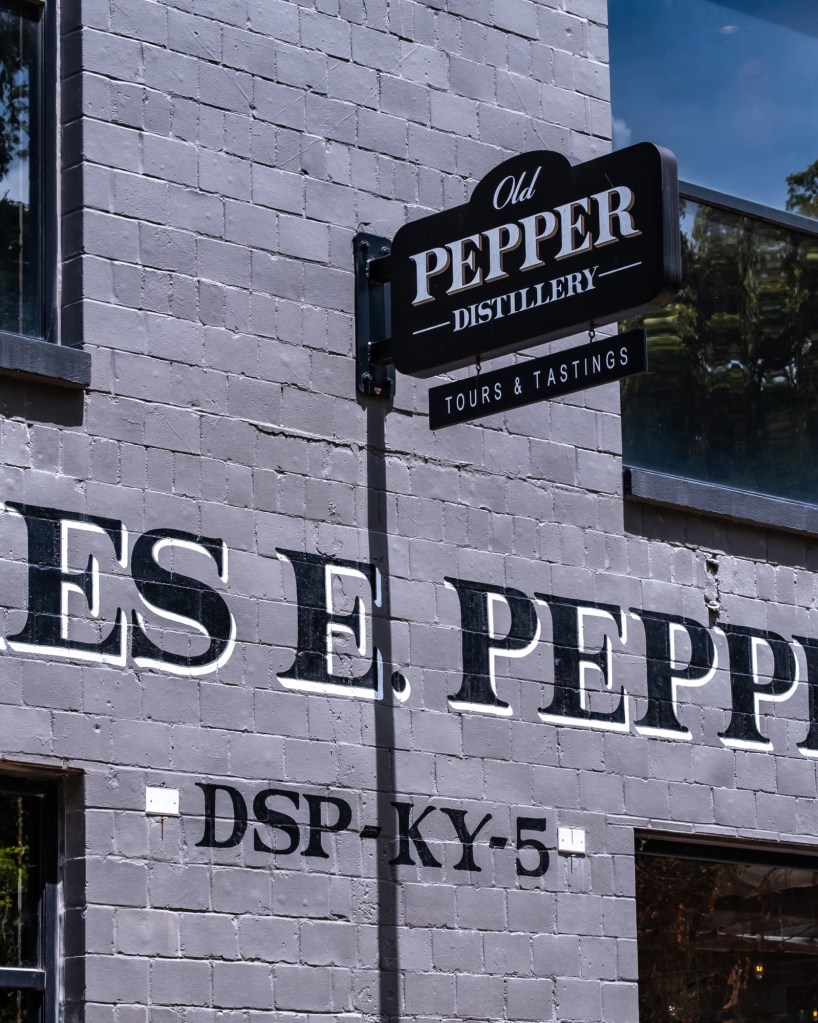
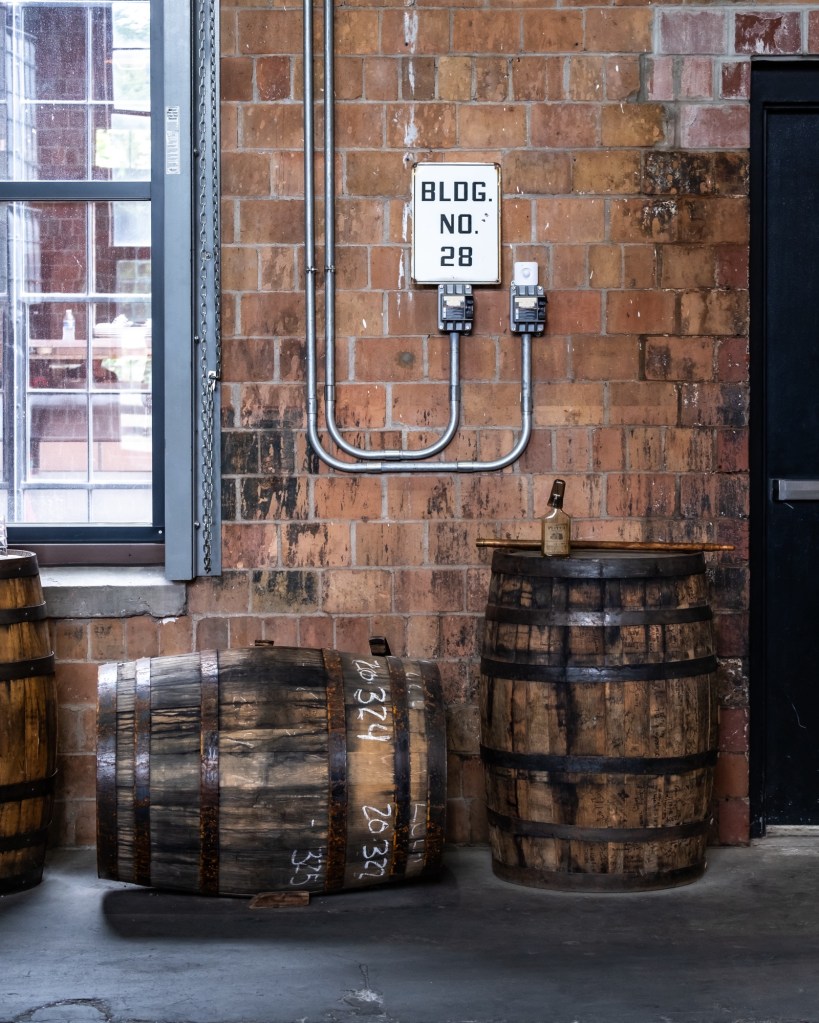

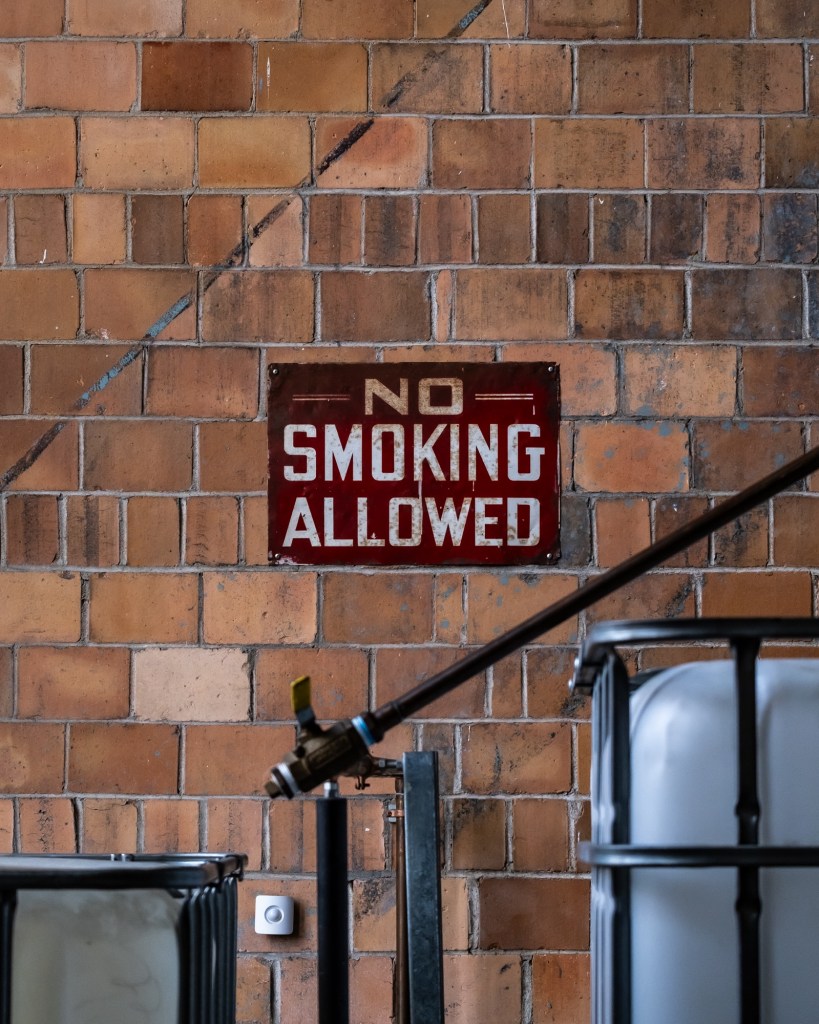

The new (at the time) Old Pepper Distillery was built in Lexington in 1880, and Pepper began recreating his family line of spirits.
If you look beyond the tour guide’s enthusiastic delivery of these facts, it quickly becomes clear that James E. Pepper was not the best businessman. He soon lost the distillery a second time, thanks in part to less-than-successful ventures in horse racing. The property was only returned to him because of his wife, Ella O. Pepper. Ella was a woman of family means who not only rescued James’ horses at auction, but bought back his distillery too.
That’s not to say that Pepper didn’t have his impact on the whiskey world. When the state of Kentucky mandated that whiskey could only be bottled by third-party intermediates (a well-intended effort to minimize whiskey tampering), Pepper sued. He won the right to bottle his own spirit, and also introduced the practice of sealing each bottle, slipping a label across the cork to ensure the whiskey’s quality.

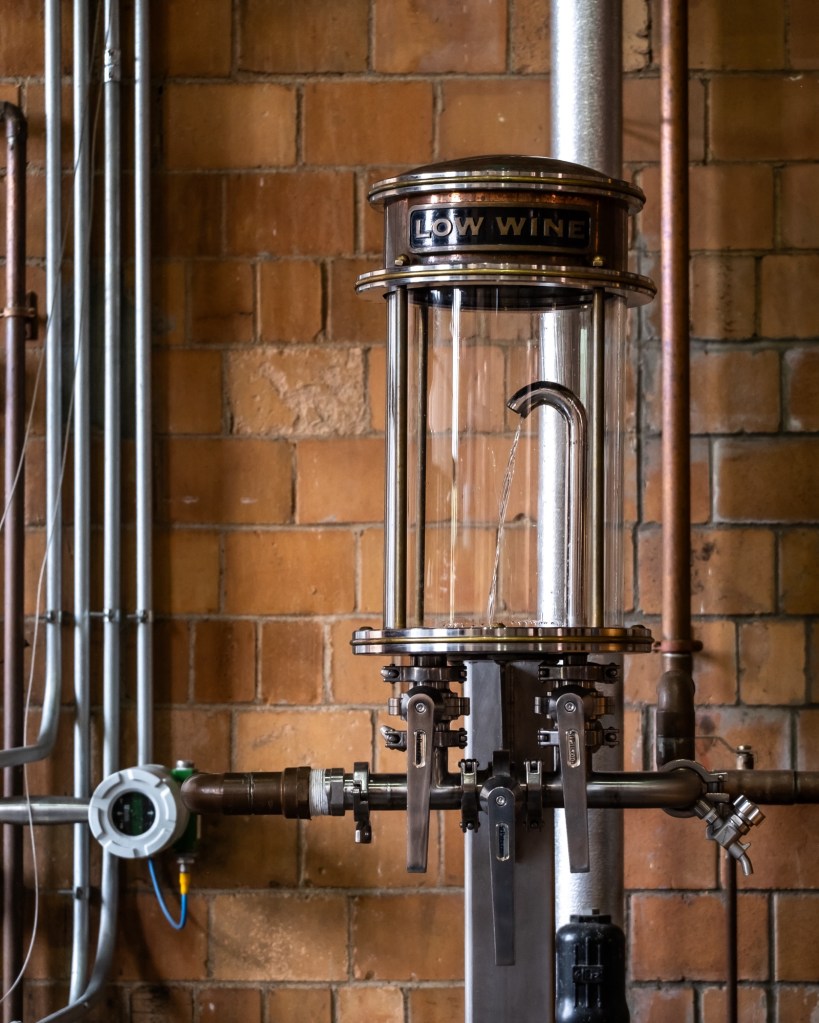
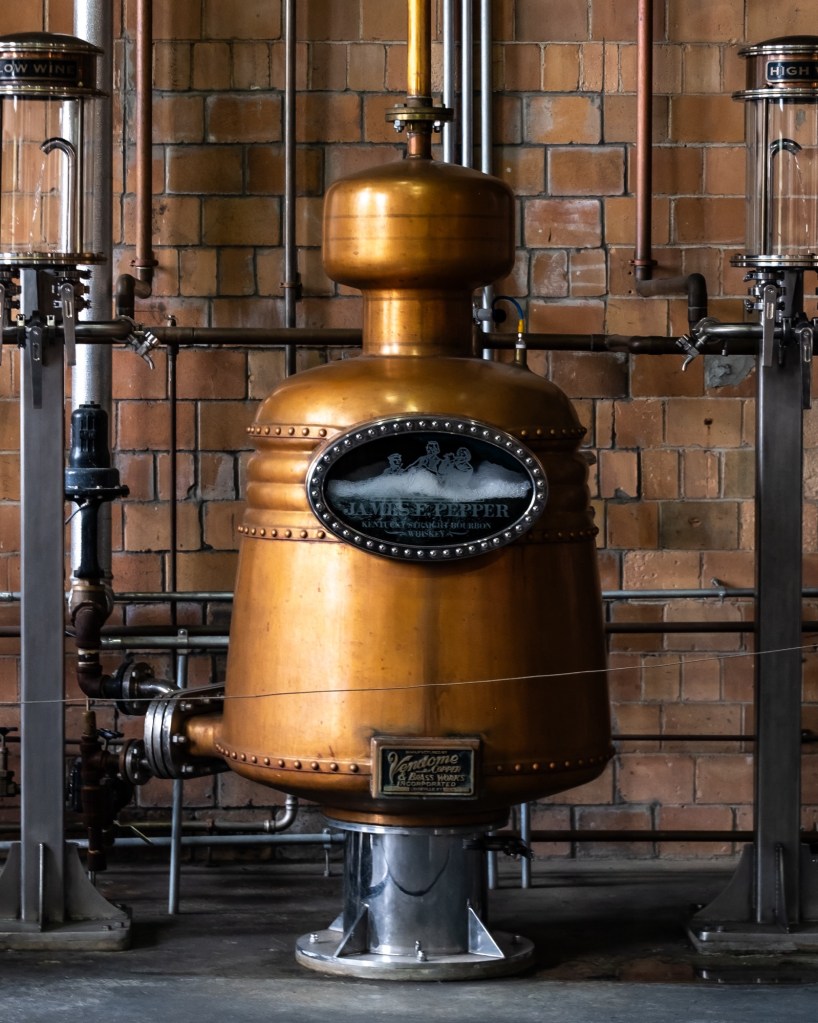

Pepper and his namesake distillery might have been knocked down a few times, but it always got up to fight again. The distillery survived Pepper’s death in 1907, though it passed out of the family a year later. It even survived prohibition, which devastated many distilleries across the nation. But what Old Pepper couldn’t quite survive was the wave of changing trends. Americans’ shifting preference for clear liquor in the 1950s and 1960s delivered the final punch, and the distillery shuttered, remaining closed for more than half a century.
Today whiskey again flows inside the walls of Old Pepper Distillery. The tour, which begins in a small museum of old advertisements and bottles, explores the history of luck, passion, and circumstance surrounding the brand.
The current owner is not a member of the Pepper family, nor connected to them in any way outside of the distillery. He came into his position as a result of intersecting interests, as he began to research the now-unknown whiskey brand that sponsored boxer Jack Johnson in 1910. The connection between distillery and boxer was captured in a photograph of Johnson’s infamous match against Jim Jeffries.
For whiskey purists, that tentative connection makes the James E. Pepper of today relatively suspect. The distillery’s original license number was reassigned as part of its resurrection, and the name repainted on its walls brick walls. The spirit that flows is not made from James E. Pepper’s original recipes, but recreated through careful assessment of surviving bottles.
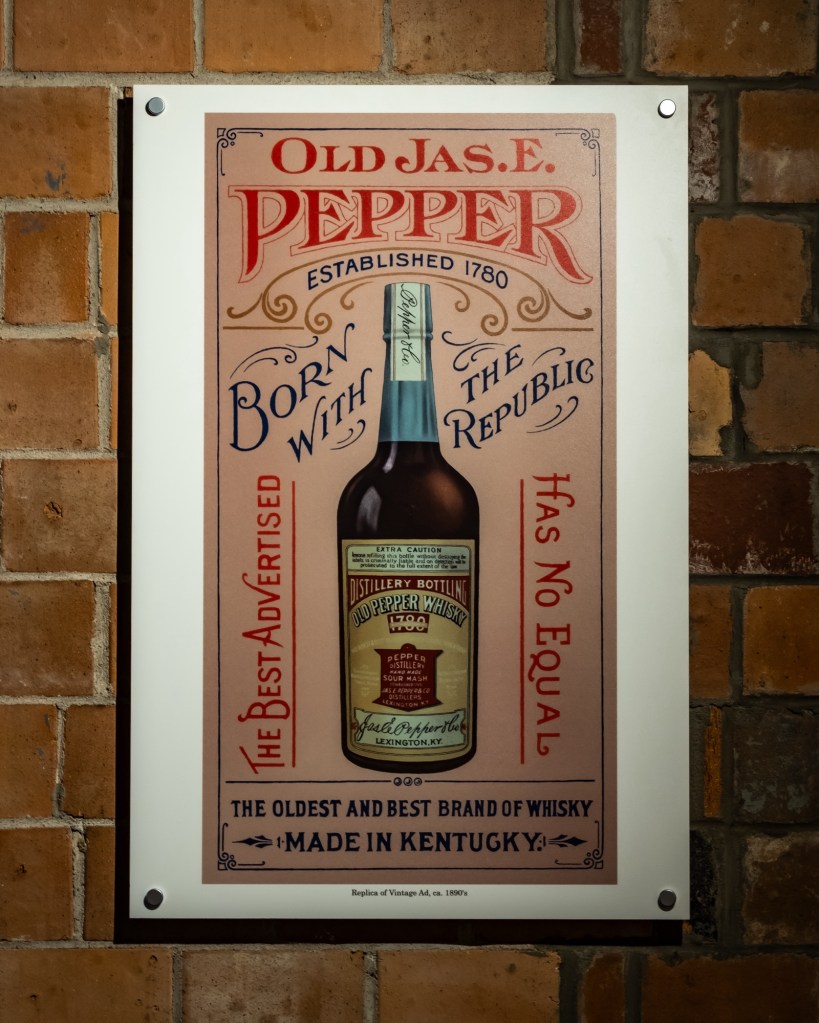
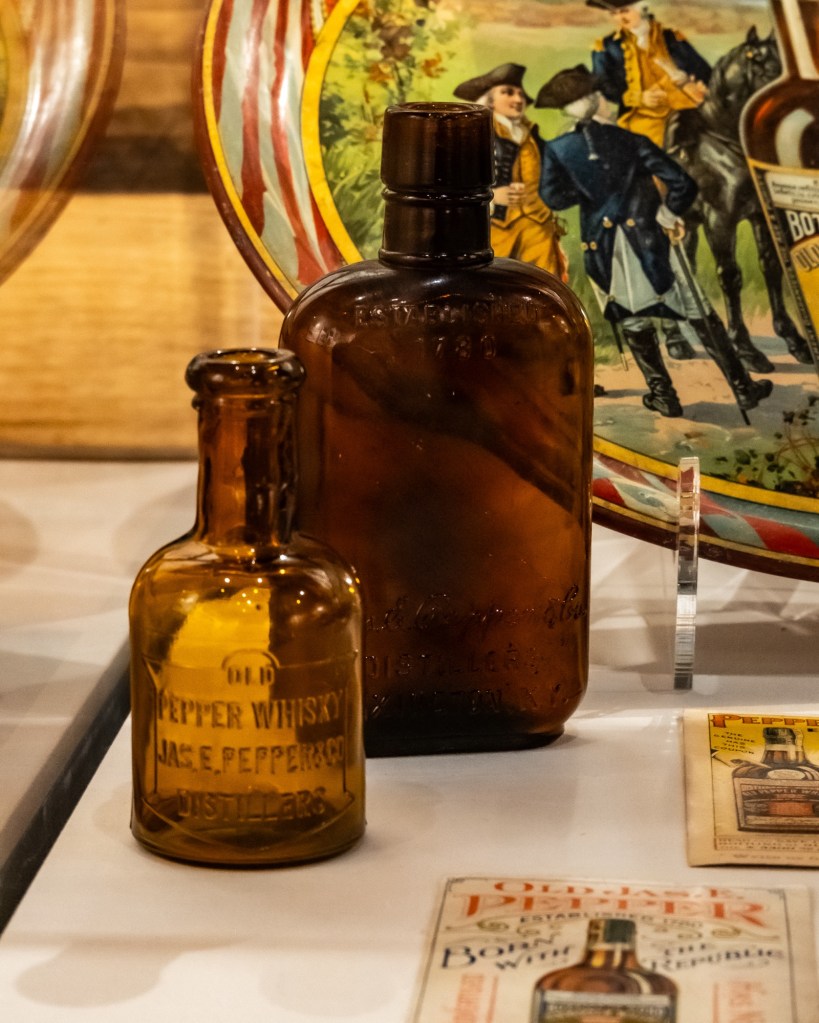


While the James E. Pepper visitor experience hinges on the full history of the name, it is not a history that truly belongs to the current owner or brand. Whether or not that is a good or bad or neutral thing remains up for debate.
Suspending all existential discussions, visiting the current operations is, objectively, a lovely experience. The visitors center is small, but nicely laid out, with a small bar for flights and tastings. The tour takes you from the museum into the production floor, where the spirits run through a column still rising two stories high. You end with a guided tasting of the distillate, as well as the distillery’s flagship Bourbon and Rye expressions, before being escorted back to the entrance and shop.
Since its rebirth, Old Pepper has become surrounded by restaurants and shops, many built into the original distillery buildings. Visiting the distillery alone would fall short of the potential of the Distillery District, which now hosts two other distilleries, a coffee shop, a brewery, a boutique ice cream shop, bars, restaurants, shopping, and more.
So after concluding my tour with a sip and purchase of the distillery’s single malt whiskey (unsurprisingly my favorite of the core range) and an old fashioned cocktail (of which James E. Pepper was a passionate advocate), I ventured back into the sunlight and cacophony of the surrounding district. I found tacos at Desperados Cantina and a strawberry-balsamic sorbet at Crank and Boom, enjoying the warm Kentucky sunlight on a perfect Sunday afternoon.
Slàinte, y’all!
 The Whisky Type
Leave a comment