Category: Rye

  • SirDavis American Rye // Queen Bey Makes a Whisky

    SirDavis American Rye // Queen Bey Makes a Whisky

    “I’ve always been drawn to the power and confidence I feel when drinking quality whiskey and wanted to invite more people to experience that feeling.”

    Beyoncé for Harper’s Bazaar.

    It is officially fall 🍁🍂 in Kentucky, and, after 7 years of autumn-free desert living, I am loving every single second of it.

    Maybe it’s the cooler weather or the changing colors, but I’ve been in the mood for all the rye whiskies lately. Neat or in a cocktail, I want to taste spicy, warming notes.

    That makes it a perfect time to pop open this bottle of @sirdavis, the new(ish) rye whisky from @beyonce.

    On the whole, I’m generally skeptical of celebrity spirits. It’s nothing against the famous faces behind them—it’s just that this whisky could taste like horse slobber and still sell. Beyoncé is just that big of a deal.

    But then I learned how Queen Bey worked with Dr. Bill Lumsden (of Glenmorangie and Ardbeg scotch whisky fame) to craft her introduction to the whisky market. She also thoughtfully aged it in a Pedro Ximénez sherry cask (my favorite). And, according to early reviews, this whisky is actually really good.

    So I bought it, and I can confirm: this whisky is really, really good.

    “We have crafted a delicious American whisky that respects tradition but also empowers people to experience something new and unique in the category.”

    Beyoncé for Harper’s Bazaar

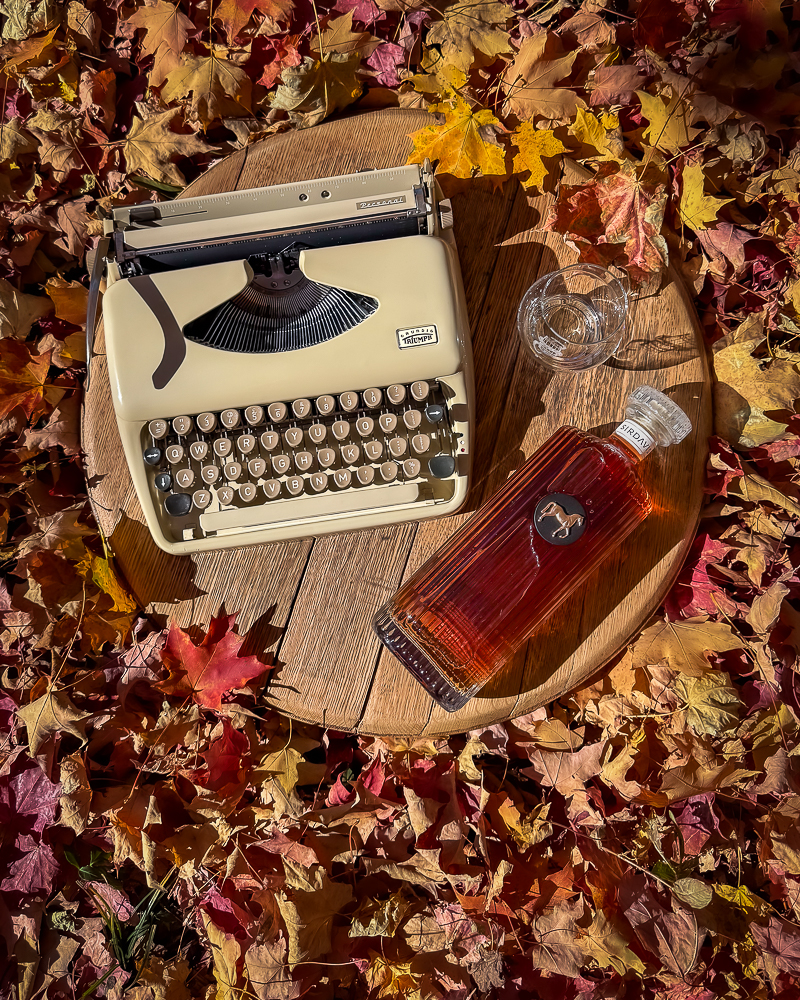
    SirDavis Rye is a dark mahogany color, sold in a stunning fluted glass bottle. Sources say the spirit is made with 51% rye and 49% malted barley.

    In the glass, the official tasting notes suggest Seville oranges, clove, cinnamon, ginger, and toffee on the nose. There is definitely something almost old fashioned-esque in the aromas, with hints of flamed oranges and spice.

    On the palate, the whisky is smooth and rich, but not overpowering. It’s well-rounded and thick with a short finish.

    At first, it’s like a blanket at a bonfire, wrapping your tongue in cozy warmth. Then the baking spices come through, adding a flash of cinnamon and pepperiness to the fire.

    This is not a rye that I would necessarily put in a cocktail; the whisky’s barley content softens the bold flavors of rye that typically punch up a Manhattan or an old fashioned. Plus, it’s just 44% ABV—respectable but less sturdy than I prefer in my mixed drinks.

    That’s perfectly fine; this whisky doesn’t need anything else. SirDavis American Rye is a gorgeous sipper all on its own.

    Slàinte, y’all!


    In My Glass

    SirDavis American Rye Whisky
    No Age Statement; 44% ABV
    USA

    On My Desk

    Grundig Triumph Personal Typewriter

  • Resilience & Revival // Old Pepper Distillery (Lexington, KY)

    Resilience & Revival // Old Pepper Distillery (Lexington, KY)

    Americans love a comeback story, and it’s even better when it features whiskey.

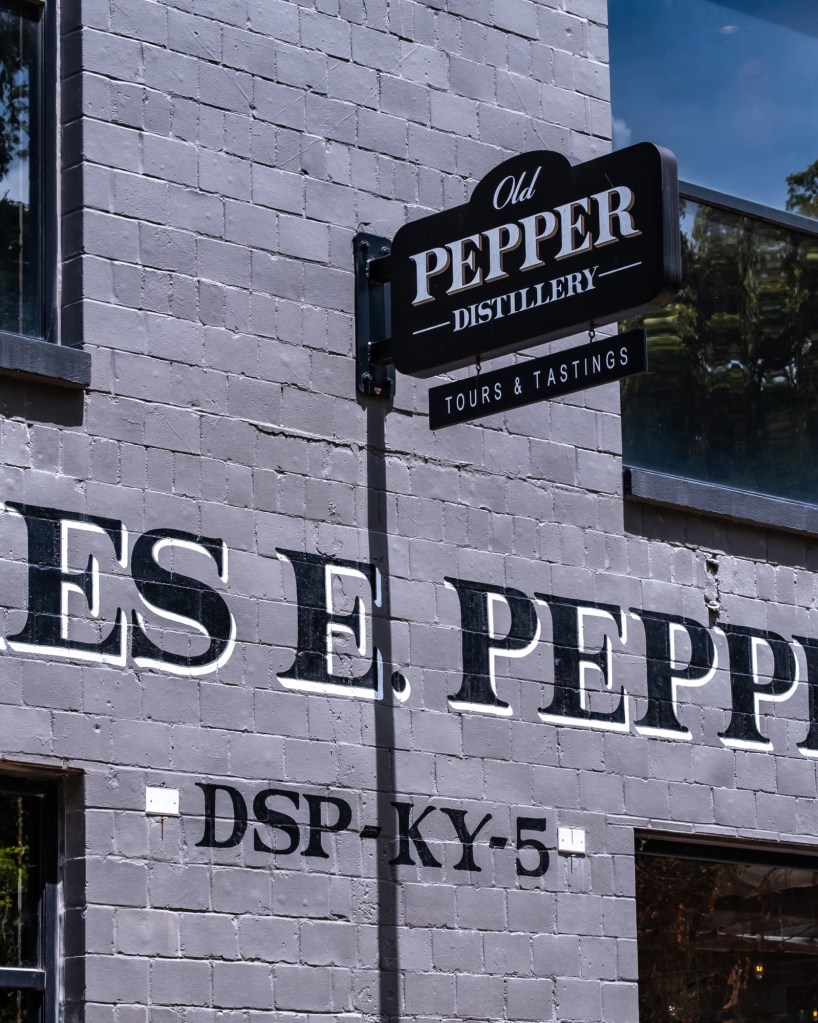
    The James E. Pepper Distilling Co. in Lexington, Kentucky forms the cornerstone of the city’s current Distillery District, but its roots stretch back to the origins of the nation. James E. Pepper, the namesake of the surviving Old Pepper Distillery, was a third-generation distiller. His grandfather began making spirits during the American Revolution, passing the trade down to his son and grandson.

    James took over the family business as a young man, after the deaths of his whiskey and literal forefathers. He quickly went bankrupt. The younger Pepper lost the distillery—but not its legacy, walking away from the proceedings with his family’s cherished recipes.

    The new (at the time) Old Pepper Distillery was built in Lexington in 1880, and Pepper began recreating his family line of spirits.

    If you look beyond the tour guide’s enthusiastic delivery of these facts, it quickly becomes clear that James E. Pepper was not the best businessman. He soon lost the distillery a second time, thanks in part to less-than-successful ventures in horse racing. The property was only returned to him because of his wife, Ella O. Pepper. Ella was a woman of family means who not only rescued James’ horses at auction, but bought back his distillery too.

    That’s not to say that Pepper didn’t have his impact on the whiskey world. When the state of Kentucky mandated that whiskey could only be bottled by third-party intermediates (a well-intended effort to minimize whiskey tampering), Pepper sued. He won the right to bottle his own spirit, and also introduced the practice of sealing each bottle, slipping a label across the cork to ensure the whiskey’s quality.

    Pepper and his namesake distillery might have been knocked down a few times, but it always got up to fight again. The distillery survived Pepper’s death in 1907, though it passed out of the family a year later. It even survived prohibition, which devastated many distilleries across the nation. But what Old Pepper couldn’t quite survive was the wave of changing trends. Americans’ shifting preference for clear liquor in the 1950s and 1960s delivered the final punch, and the distillery shuttered, remaining closed for more than half a century.

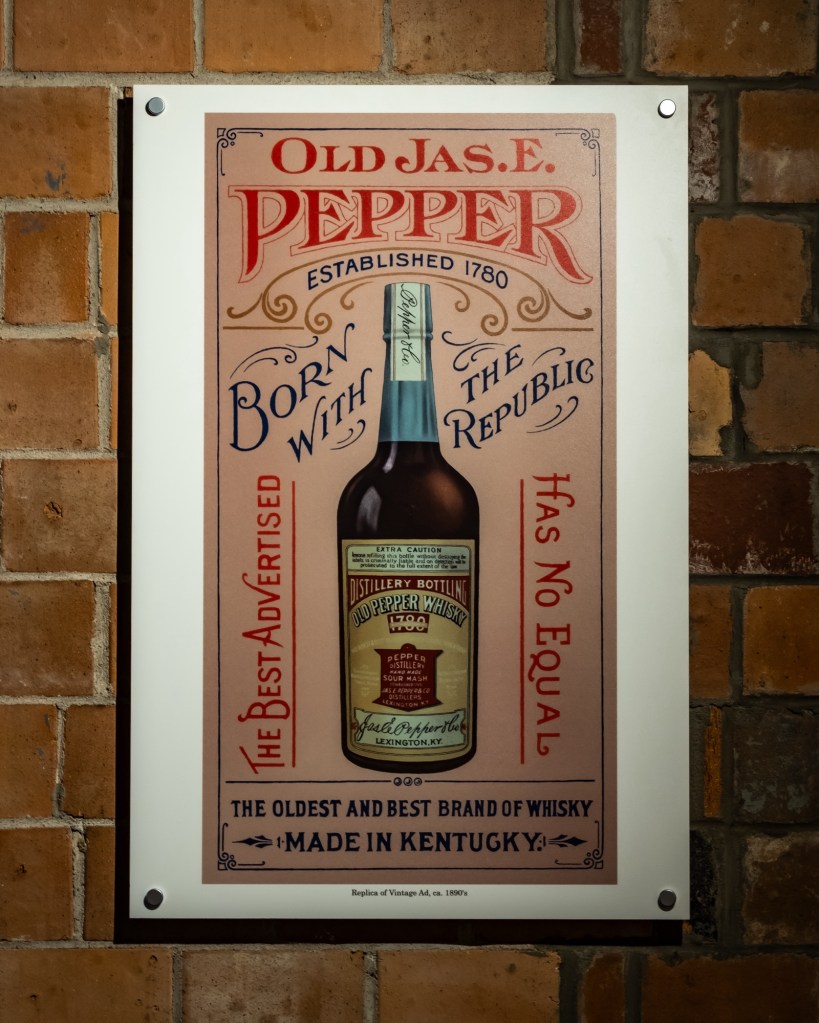
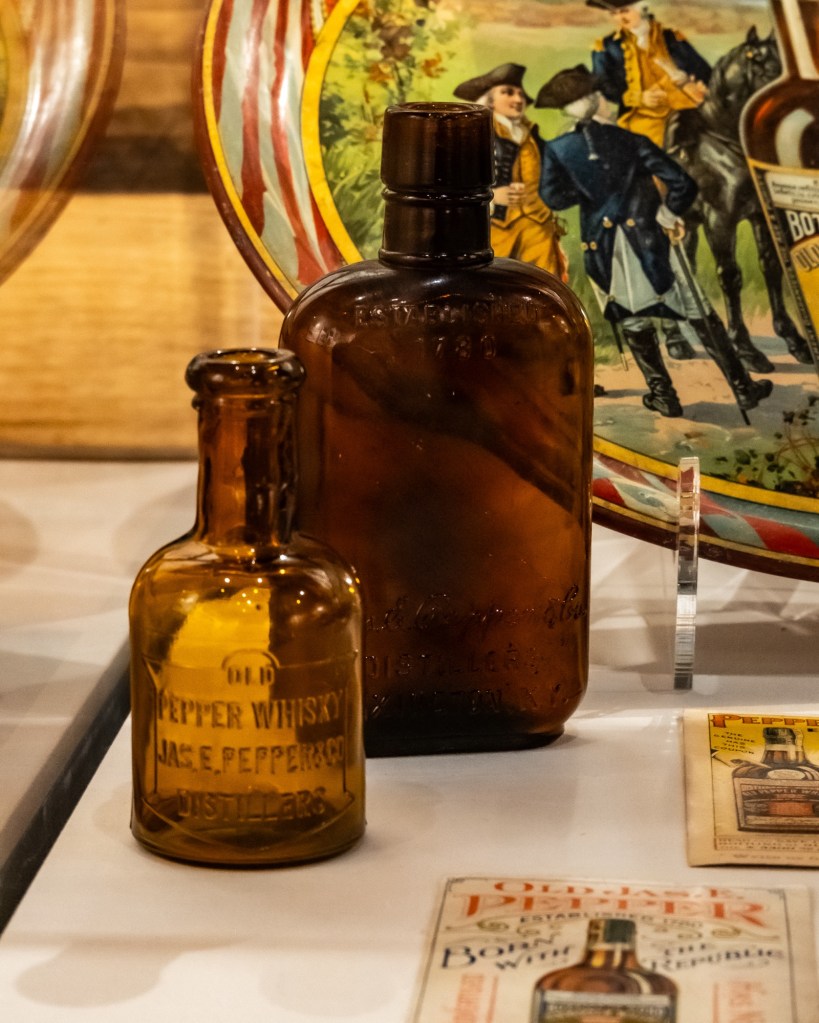
    Today whiskey again flows inside the walls of Old Pepper Distillery. The tour, which begins in a small museum of old advertisements and bottles, explores the history of luck, passion, and circumstance surrounding the brand.

    The current owner is not a member of the Pepper family, nor connected to them in any way outside of the distillery. He came into his position as a result of intersecting interests, as he began to research the now-unknown whiskey brand that sponsored boxer Jack Johnson in 1910. The connection between distillery and boxer was captured in a photograph of Johnson’s infamous match against Jim Jeffries.

    For whiskey purists, that tentative connection makes the James E. Pepper of today relatively suspect. The distillery’s original license number was reassigned as part of its resurrection, and the name repainted on its walls brick walls. The spirit that flows is not made from James E. Pepper’s original recipes, but recreated through careful assessment of surviving bottles.

    While the James E. Pepper visitor experience hinges on the full history of the name, it is not a history that truly belongs to the current owner or brand. Whether or not that is a good or bad or neutral thing remains up for debate.

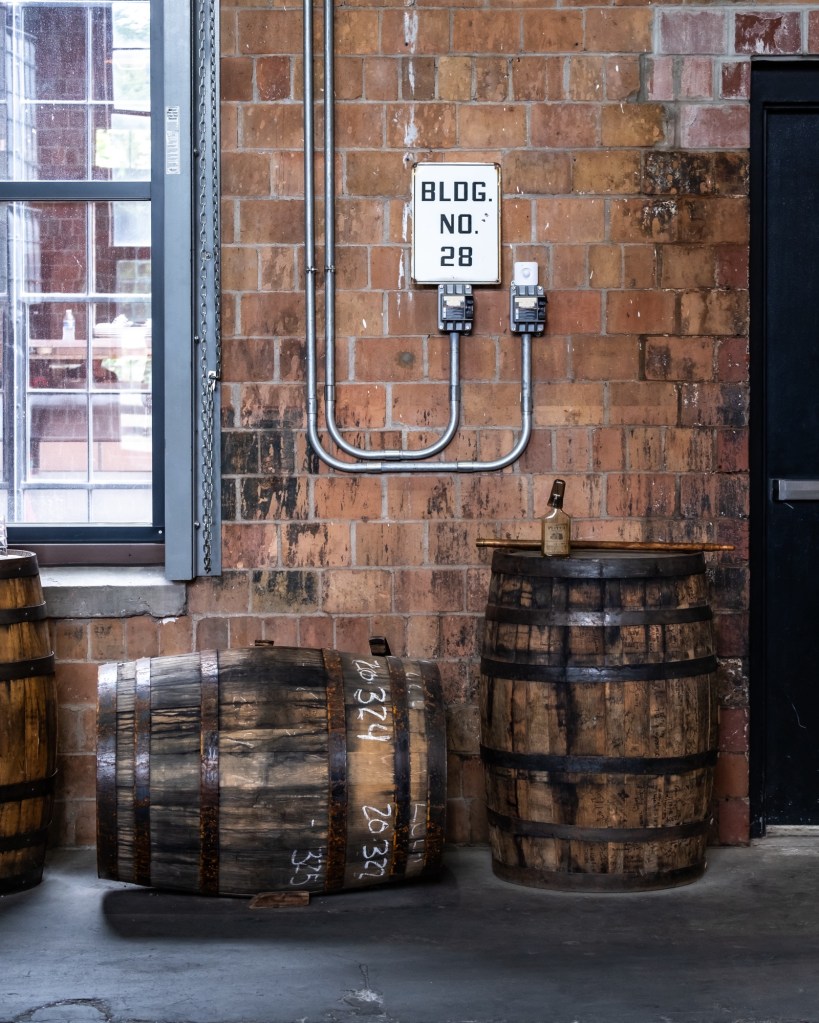
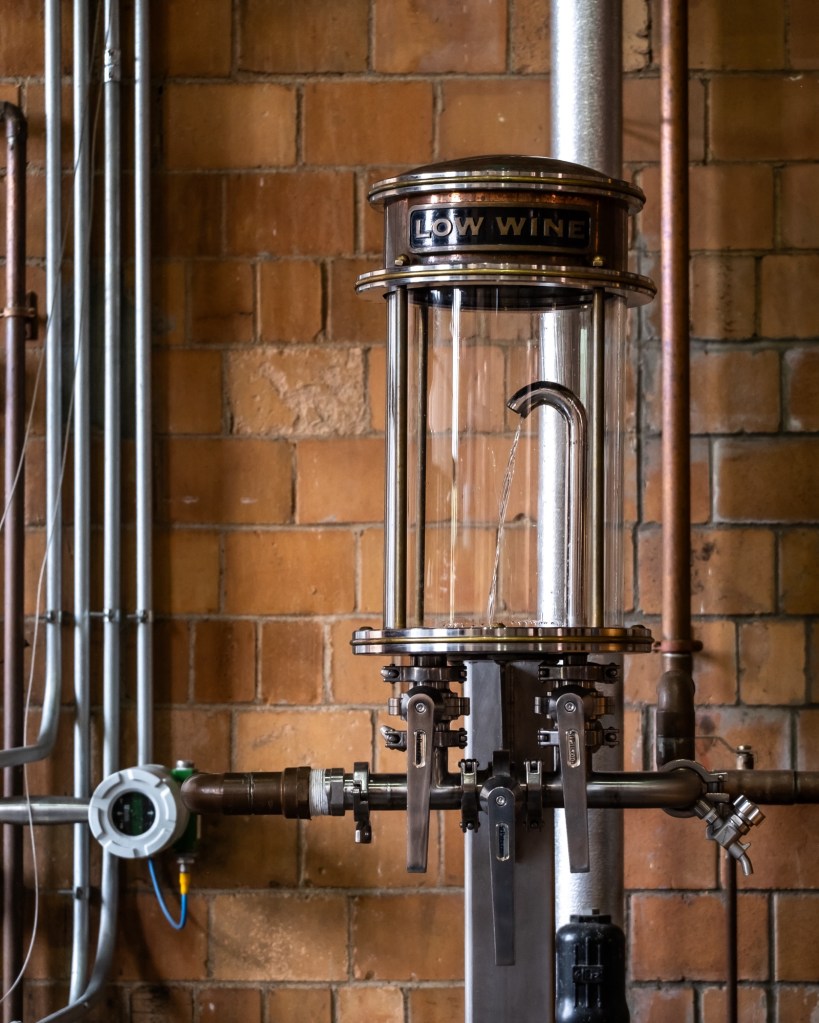
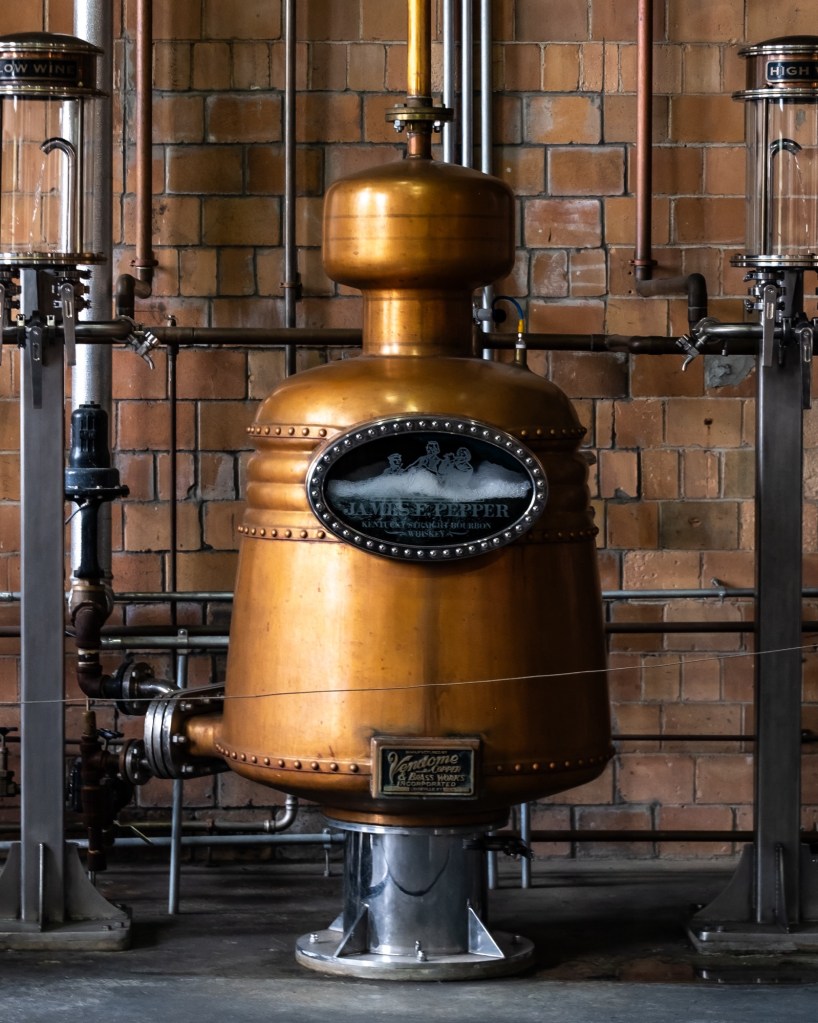
    Suspending all existential discussions, visiting the current operations is, objectively, a lovely experience. The visitors center is small, but nicely laid out, with a small bar for flights and tastings. The tour takes you from the museum into the production floor, where the spirits run through a column still rising two stories high. You end with a guided tasting of the distillate, as well as the distillery’s flagship Bourbon and Rye expressions, before being escorted back to the entrance and shop.

    Since its rebirth, Old Pepper has become surrounded by restaurants and shops, many built into the original distillery buildings. Visiting the distillery alone would fall short of the potential of the Distillery District, which now hosts two other distilleries, a coffee shop, a brewery, a boutique ice cream shop, bars, restaurants, shopping, and more.

    So after concluding my tour with a sip and purchase of the distillery’s single malt whiskey (unsurprisingly my favorite of the core range) and an old fashioned cocktail (of which James E. Pepper was a passionate advocate), I ventured back into the sunlight and cacophony of the surrounding district. I found tacos at Desperados Cantina and a strawberry-balsamic sorbet at Crank and Boom, enjoying the warm Kentucky sunlight on a perfect Sunday afternoon.

    Slàinte, y’all!

  • Corsair Distillery Tour

    Corsair Distillery Tour

    Rumor has it that the inspiration for Corsair Distillery’s distinctive label came from a trio of drunken, unbothered Scotsmen striding confidently down a Scottish road after an evening of troublemaking and revelry.

    That, and the film Reservoir Dogs.

    Either way, the spirits produced in this craft distillery are well represented by both its label and legend, bold and unbothered. Corsair’s roots span Kentucky and Tennessee, an area best known for bourbon (and a good bit of moonshine too). But they’re forging their own path, branching out from the whiskey family tree drawn by their regional forefathers.

    In addition to the single malt and rye whiskies produced on Corsair’s pre-prohibition pot still (affectionately named “Ethyl”), the current lineup includes an American-style gin, a spiced rum, a barreled gin, and an absinthe.

    Each bottle is carefully crafted, developed in small batches with experimentation and care, an answer to the ever-repurposed question “what if we…?” What if we smoked our barley malt with a blend of peat and cherrywood and beechwood? What if we spiced our rum, aged our gin in a barrel, and then put another spirit back in the barrel? What if we ignored all the propaganda around absinthe and made it anyway, tinting it bright red with hibiscus?

    As we move through the space, we learn that our tour guide, Carter, has been doing this for years. He knows—and loves—what he’s talking about as ushers us through the small production floor and back across the courtyard to the tasting room for sampling.

    Each sip of Corsair’s offerings is different, surprising. The flavors build and compete and then dance back together, never shy, always interesting. The space that the distillery inhabits (location one of two) is similarly complex, an early-1900s automobile factory turned modern retail space and museum. Like the whiskey, it’s easy to get lost in and, more importantly, even easier not to mind.

    Slainte, y’all!

    In My Glass

    Corsair Distillery – Dark Rye
    American Rye Malt Whiskey
    Aged 1 Year; 42.5% ABV
    USA (Tennessee)

    On My Desk

    1961 Olivetta Lettera 22, Made in Scotland