
About 100 miles and two hours east of Sacramento, tucked into the Sierra Nevada Mountains, you’ll find the cozy mountain enclave of Arnold, California. This small town—a former logging spot named after 20th century innkeepers—is home to around 4,000 people and two groves of giant sequoia trees. Some of the trees stretch hundreds of feet into the air, with thick trunks bigger than most homes.
Arnold is also where you’ll find Hinterhaus Distilling.
Founded in 2020 by Nate Randall and Bonnie Boglioli-Randall, Hinterhaus has already made a remarkable splash in the American spirits world. The Randalls run the distillery with their son and daughter-in-law, who have been active in the day to day operations since early on. According to a feature on Bonnie in Canvas Rebel, the younger generation’s involvement was a short-term personnel strategy that never got around to ending. In any case, it worked. Together, the family has grown Hinterhaus from an unknown distiller into an award-winning spirits producer in just 5 short years.
The High Sierras are not just a location for the Randalls, but inspiration. “Hinterhaus is named in honor of the hinterland at our doorstep – the fast Sierra Nevada wilderness that has long beckoned explorers and adventurers to this breathtaking mountain range,” explains their labels.
In creating Hinterhaus, the Randalls set out to create spirits that are fiercely local, infusing each bottle with the distinct terroir of their surroundings.
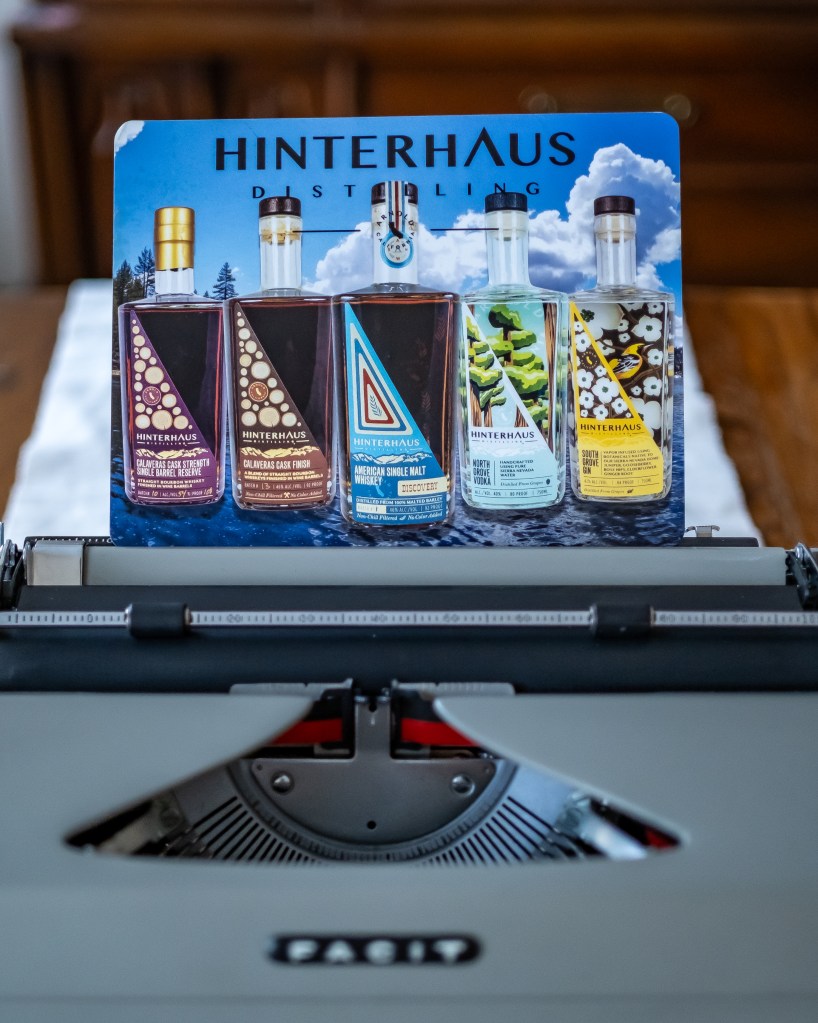
Named for the twin giant sequoia groves of Calaveras Big Trees State Park, Hinterhaus’ North Grove Vodka is distilled from northern California wine, while South Grove Gin is infused with local botanicals like gooseberry, rose hips, and elderflower. The two bourbons are aged in Calaveras wine casks, while Trapper’s Oath—a Canadian rye with a distillation date long preceding the opening of the distillery—is finished in stout beer casks.
Unsurprisingly, it’s the American Single Malt Whiskey that most caught my attention; the Randalls use traditional open fermentation tanks and mountain water to make their malt whiskey, ensuring that the spirit is infused with “a provenance and a sense of place that you can nose and taste.”
Last month, as American Single Malt Whiskey’s official TTB regulations went into effect, spirits producers across the nation celebrated. The Randalls made the most of the moment and category attention, announcing and releasing Batch #4 of their American Single Malt Whiskey.
“American Single Malt is a cornerstone to our ethos as distillers,” said Nate Randall in a press release marking the occasion.
His co-founder and wife, Bonnie Randall, agreed: “We’re proud to be a part of the American Single Malt landscape and put a decidedly northern California twist on this traditional whiskey style.”
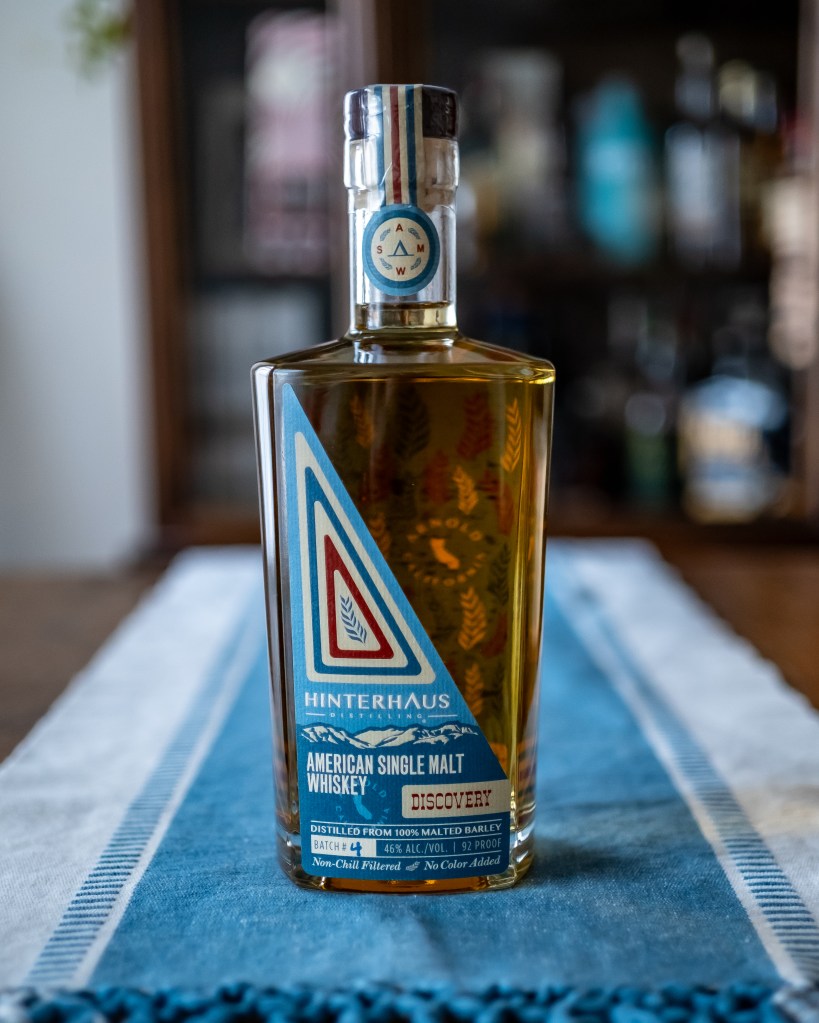

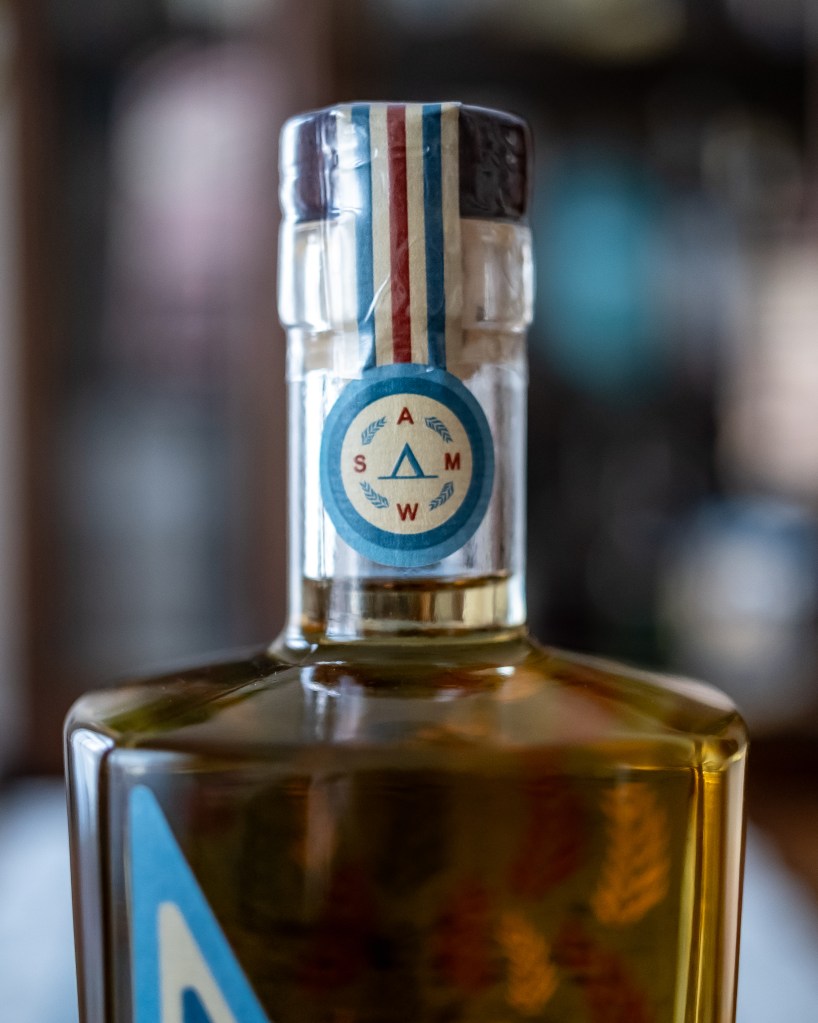
About Hinterhaus Distilling American Single Malt Whiskey Batch #4
Batch #4 of Hinterhaus’ American Single Malt Whiskey is made with 88% Gallagher’s Best and 22% Pacific Victor malts, both of which were sourced from Admiral Maltings. Based in Alameda, California, all of Admiral’s grains are grown in-state on family farms.
The new make spirit was aged for a minimum of 22 months in two American oak barrels. Half of the spirit matured in a first fill former bourbon barrel, while the other half half came of age in a first fill former wheat whiskey cask. The two were then married together, creating the final spirit that now fills the bottle.
How do I know all this? It was in the press release, of course. More importantly, though, it’s printed directly on the label.

It’s not typical for a whiskey brand to share these details. Even as enthusiasts are becoming more and more interested in the minutiae of their favorite spirits, many distilleries are not yet ready or willing to share them.
For Hinterhaus, however, that transparency is essential. The Randalls have built their brand and reputation around the landscape that surrounds them. Without knowing where their grains and barrels come from, the story of a unique Californian spirit is little more than marketing. With these details included on the label, the family’s passion for Northern California is on full display. Provenance isn’t a strategy for Hinterhaus Distilling, but a mission and a calling, an indispensable element of their distilling process and their presence in the American whiskey market.

Tasting American Single Malt Whiskey Batch #4
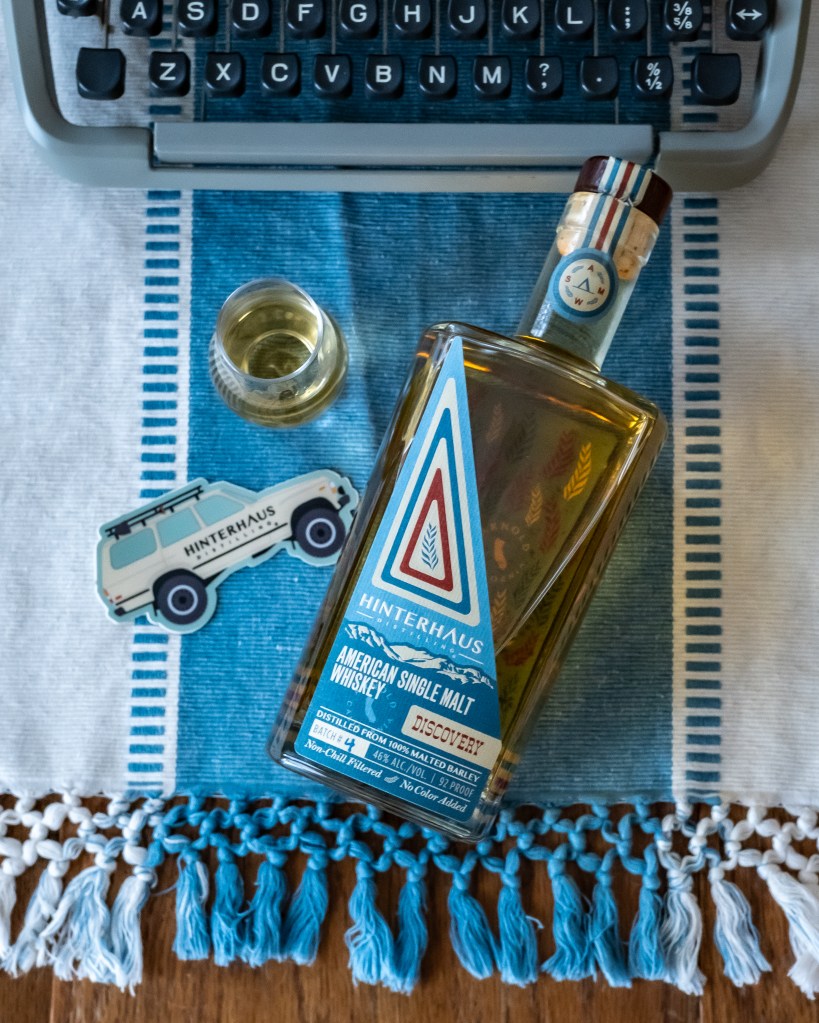
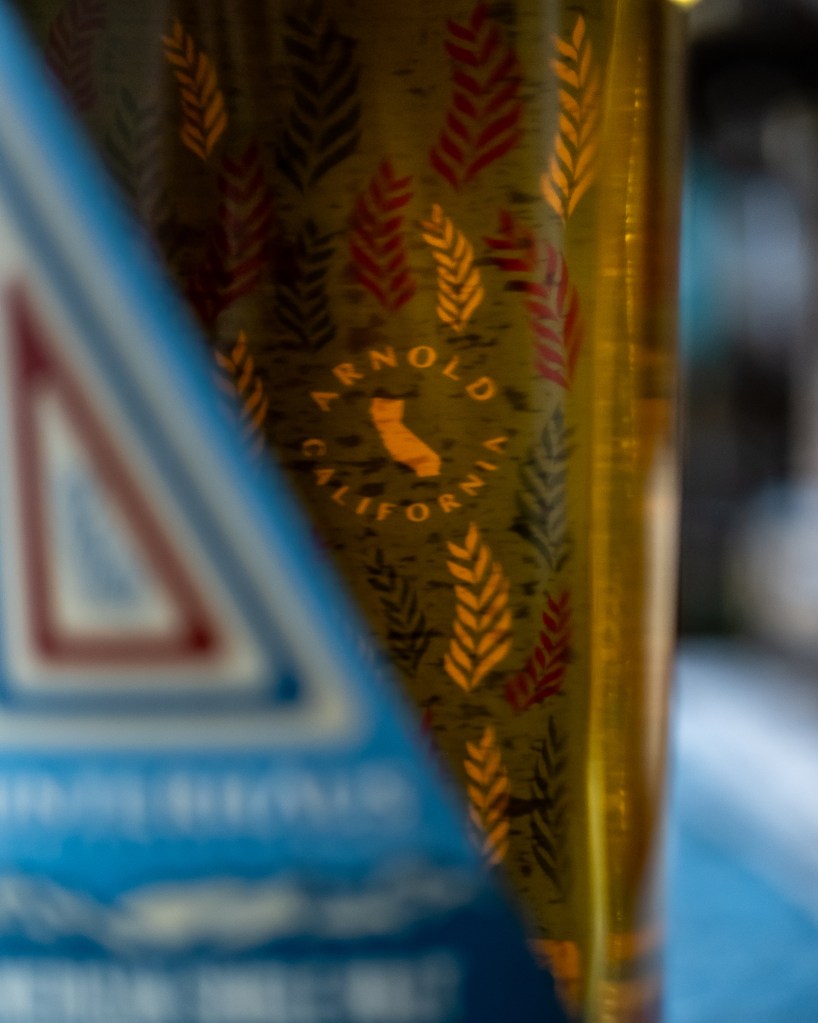
Hinterhaus Distilling’s American Single Malt Whiskey Batch #4 is light in color, even in the bottle—though the whiskey’s distinctive packaging (as inspired by the Sierra Nevada wilderness as the spirit) makes it difficult to see just how pale the spirit is.
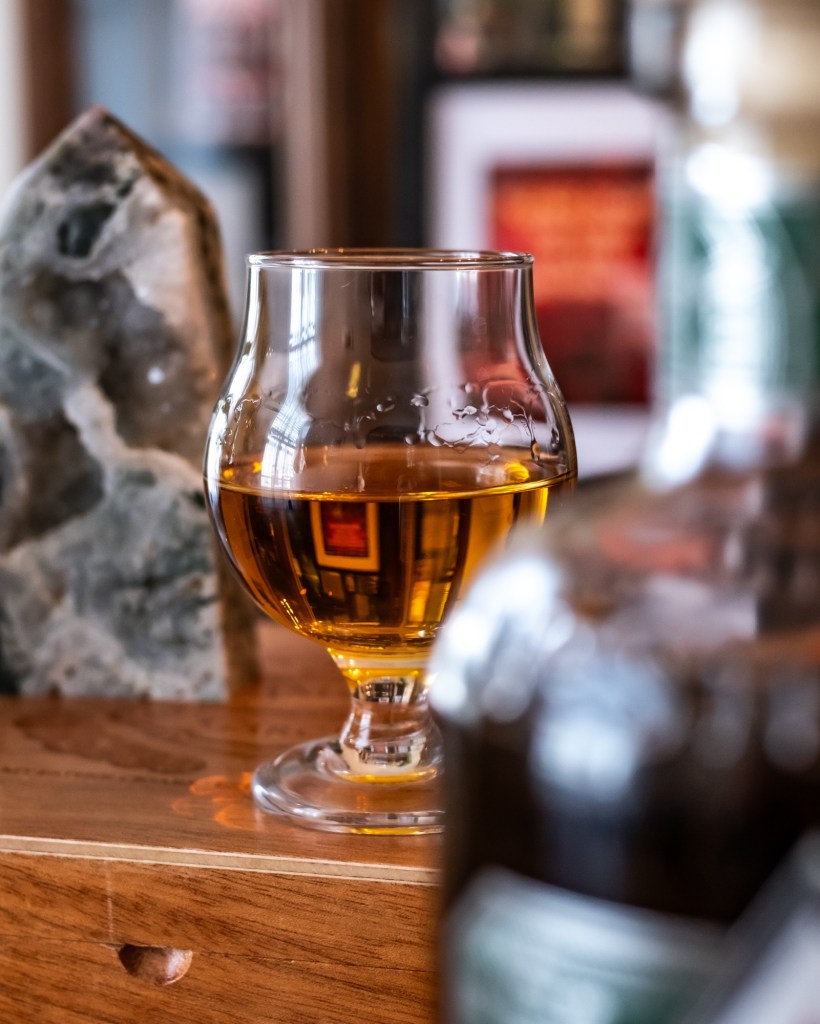
Poured into a glass, the whiskey is roughly the color of straw. But don’t let the light shade fool you; despite what many whiskey drinkers believe, there’s no real correlation between color and quality. This is especially true when used barrels have been employed in production.
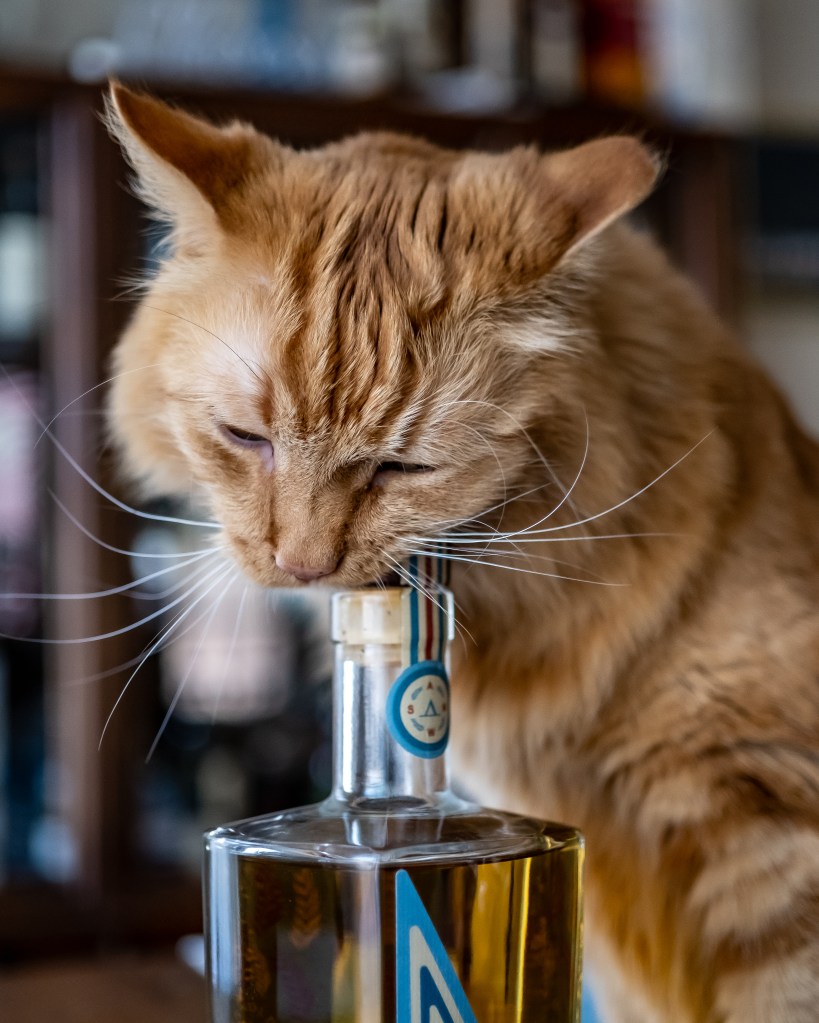
On the nose, I was immediately hit with green apple, followed by a hint of flaky pastry. The aroma is fresh without being sharp, warming without being heavy.
Then I noticed the legs.
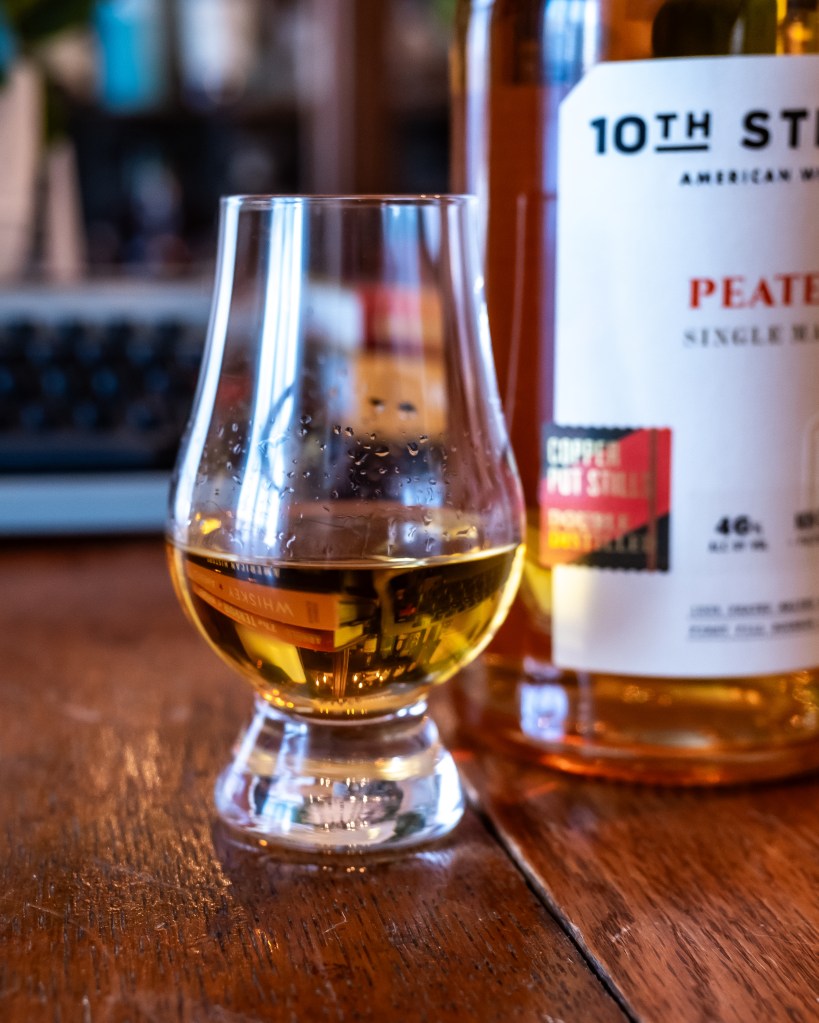
As I set the glass down to take a photo, I realized that drops of whiskey had not yet migrated from the rim. Granted, my glassware of choice today was a Wee Glencairn, the tiniest of whiskey tasters, and the distance from top to bottom isn’t far. Even so, I’ve never seen a whiskey’s legs stick so closely—and so stubbornly—to the top of a glass.
In the name of aesthetics, I wiped the inner edge of the glass multiple times, but it did very little.
This whiskey has legs for days.
Batch #4 is no “light” whiskey, despite the color. As I took a sip, the viscous spirit coated my mouth. It’s thick and creamy, yet maintains an unmistakeable lightness in its flavor profile. Mingling with the green apple of the nose, I quickly got citrus and malty fruit, both merging into hint light pastry. It’s not overly sweet, with a certain stewed softness rather than the crisp ripeness of a fresh-plucked fruit. Plus, it finished with a burst of white pepper and light nuttiness, which lingered both on my tongue and at the back of my throat.
Fruit-forward single malts have never been my top choice of spirits; as a Scotch drinker by origin, I’ve always veered more toward the brine of Islay than the produce of Speyside. Even so, I found myself more intrigued with every revisit to the glass. Several sips were even followed by a happy “ooh.”
In short, it’s a great American Single Malt Whiskey. I’d highly recommend it to any ASMW enthusiast, or to Scotch drinkers with a preference for Speyside malts.
Note: I was gifted this bottle (thank you Nate and Bonnie!), but the review and opinions noted here are entirely my own. If you want to try Hinterhaus Distilling’s ASMW Batch #4, you can find it online for an MSRP around $73, both in California and across the nation.

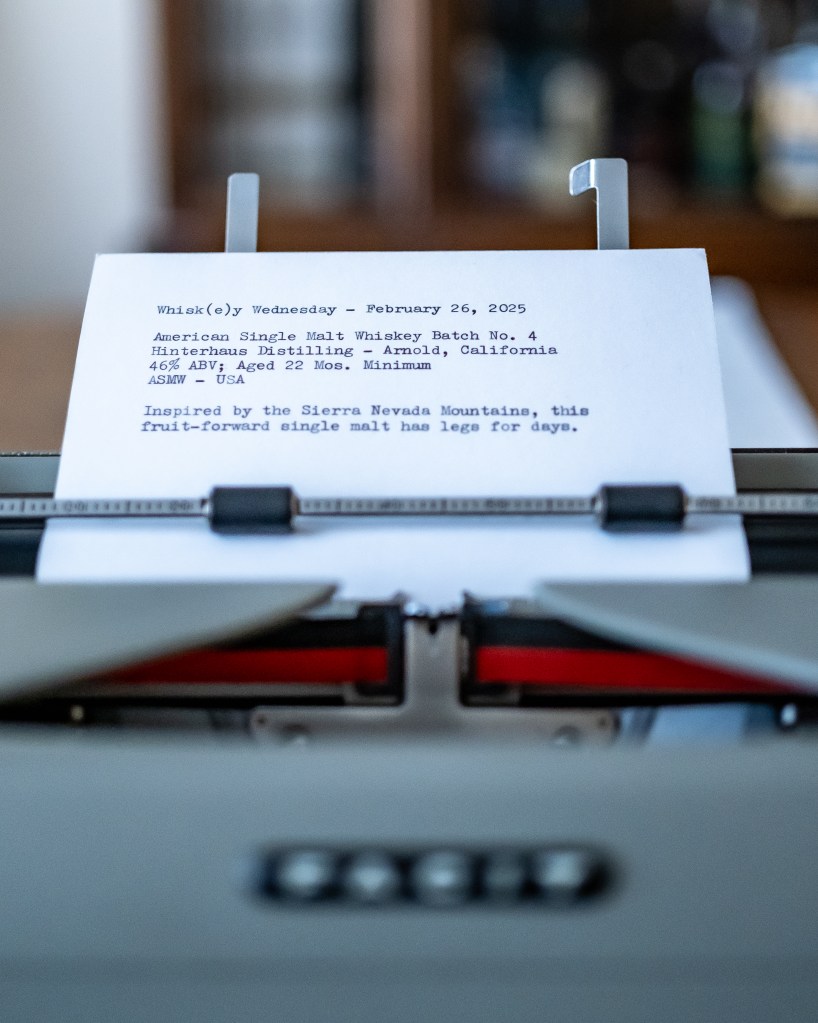
In My Glass
American Single Malt Whisky Batch No. 4
Hinterhaus Distilling – Arnold, California
46% ABV; Aged 22 Mos. Minimum
USA
On My Desk
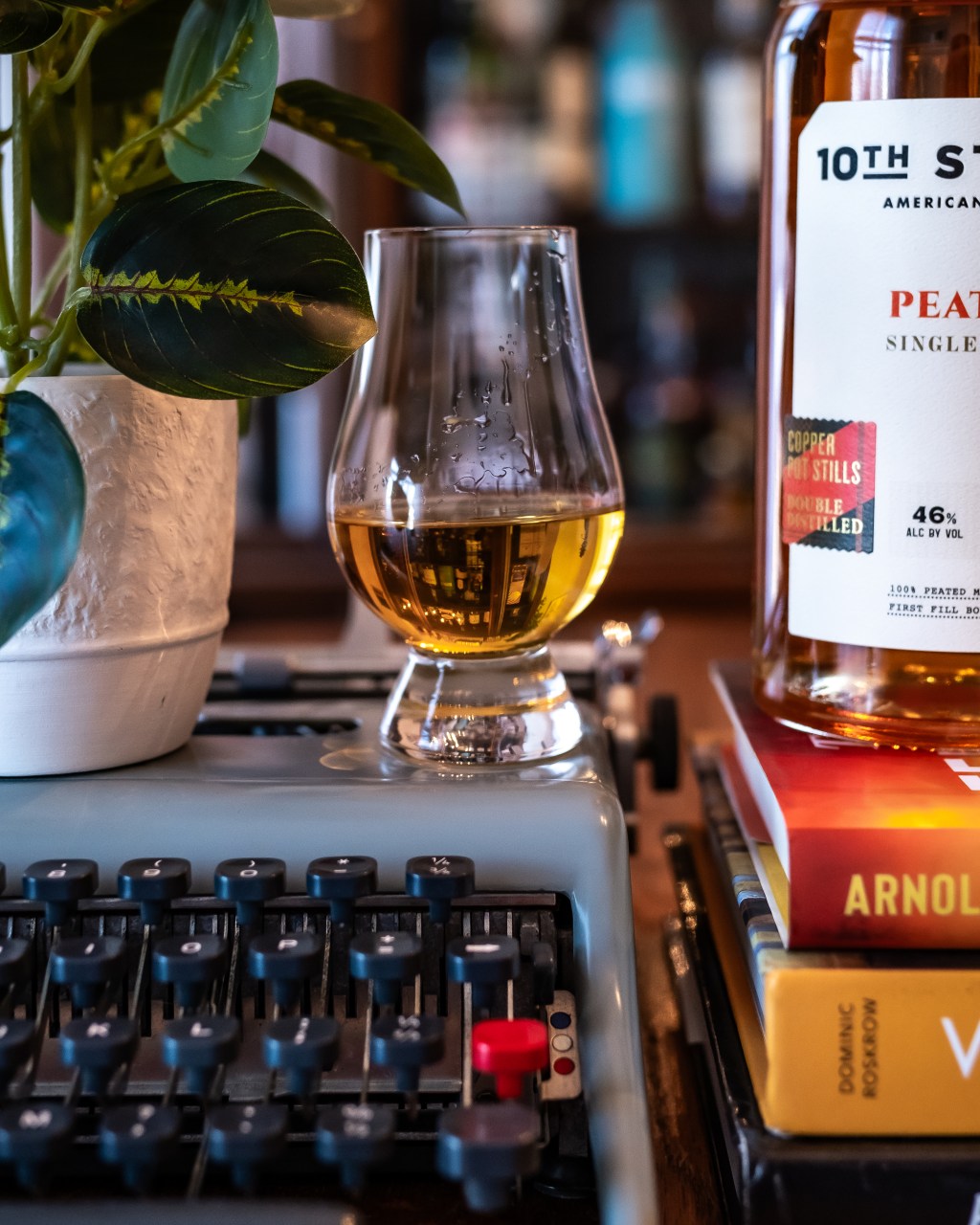
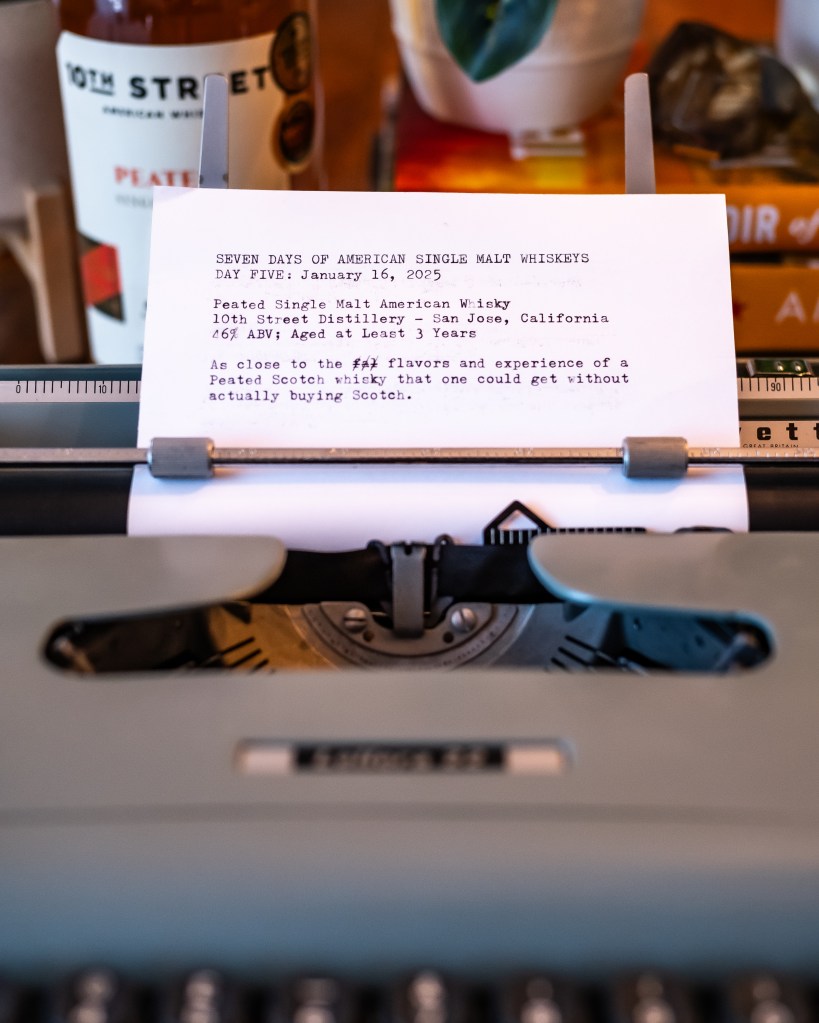
1960s Facit TP1 Typewriter
🥃 The Whisky Type is a self-funded project powered by equal parts curiosity, chaos, and whisky. If you’d like to support Carolyn’s questionable life choices and excellent content, buy her a dram! https://ko-fi.com/thewhiskytype


























 The Whisky Type