Tag: American Whiskey

  • Seven Days of ASMW 2026 // Town Branch Kentucky 7 Year Single Malt Whiskey

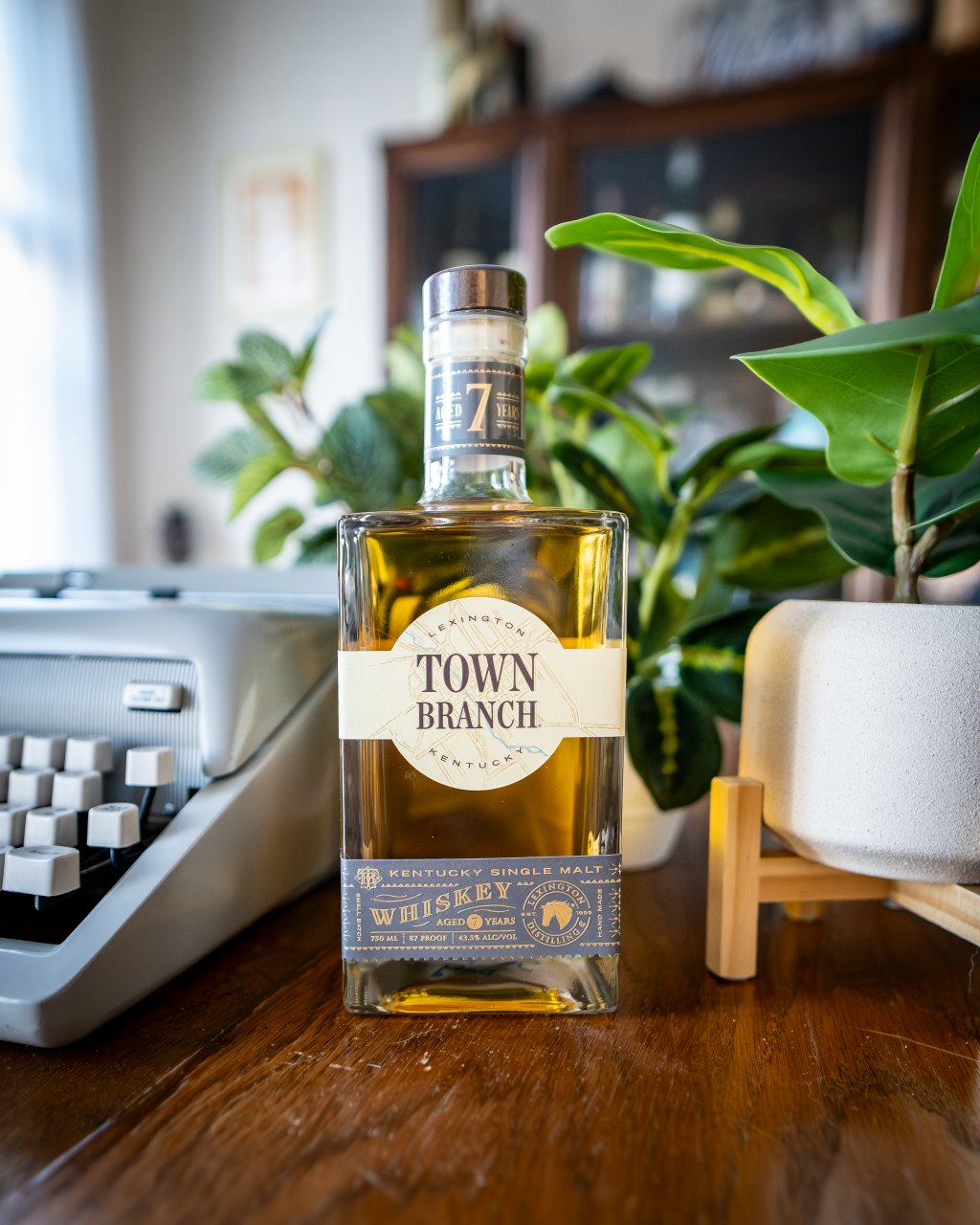
    Seven Days of ASMW 2026 // Town Branch Kentucky 7 Year Single Malt Whiskey

    There is something to be said for consistency, for knowing exactly what’s in your favorite bottle of whiskey every time you pull it from the liquor store shelf. In fact, the promise of reliability helped transform whiskey from a product of convenience to a product of preference.

    Whiskey drinkers today are fiercely loyal, often seeking out specific styles, brands, and flavor profiles they trust, whether based on one past experience or a thousand.

    Modern distillation has evolved in service to that consistency. Whiskey makers have perfected the process, armed with historic knowledge and advanced technology. Yeast strains are carefully cultivated and perpetuated for generations. Temperatures in fermentation tanks, stills, and warehouses are precisely manipulated to fine-tune a spirit’s flavor and viscosity. Sensors on every piece of equipment—even barrels—monitor the precise details that shape a whiskey’s final outcomes.

    Modern distillation is a masterclass in repetition, but that’s not entirely what whiskey-making is about.

    At its core, distillation is an iterative process, an experiment shaped by variables that can never be fully controlled. A distiller never really knows what will happen when new make spirit goes into the barrel. They can’t; wood, climate, time, and chance all play their part. The modern blender’s job is to manage those outcomes, to mix and tweak and play with the spirits until the whiskey transforms into something intentional.

    Sometimes that means a batch that tastes exactly like the last, and like a hundred batches before. Other times, honoring the spirit means letting it change.
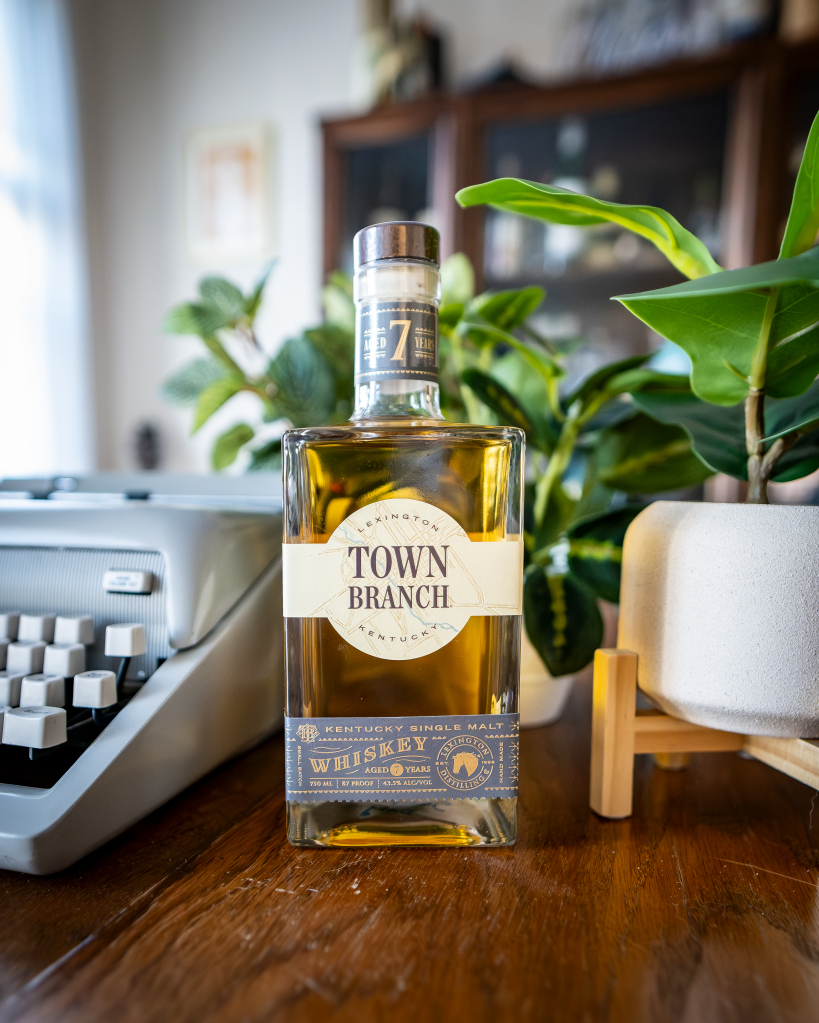
    That’s precisely the case in Lexington, Kentucky, where Head Blender Dave Bob Gaspar has subtly—but deliberately—shifted the profile of Town Branch 7 Year Kentucky Single Malt Whiskey.

    I know this whiskey well. I worked at Town Branch for nearly a year after relocating to Lexington in the summer of 2024. I was drawn to the distillery specifically because it produced a single malt, but quickly realized that it wasn’t my favorite expression in the brand’s core lineup.

    This wasn’t a failing of the whiskey so much as a matter of personal taste. I gravitate toward whiskeys with earthy, herbal or spice-forward notes—Town Branch Rye, for example—while the distillery’s single malt leaned decisively into citrus and fruit.

    Personal preferences aside, I encouraged guests to try it on every shift. As a tour guide, my role wasn’t to curate the tasting to my palate, but to help visitors discover theirs. And plenty of them did; more than a few left with a bottle of single malt tucked under their arm.

    In December, I found myself back at the tasting bar—though on the opposite side. This time, I was a guest, invited to sample some of Town Branch’s newest expressions. When Dave Bob handed me a small pour of the 7 Year Old Single Malt Whiskey, I expected familiarity.

    Instead, I was surprised—not only by the flavor, but by how much I liked it. 

    The whiskey was still 87 proof, still seven years old, dressed in its grey label and recognizably Town Branch. But the flavor was a little bigger, a little more assertive. It had a weight that I didn’t remember.

    Had my palate changed, or had the whiskey?
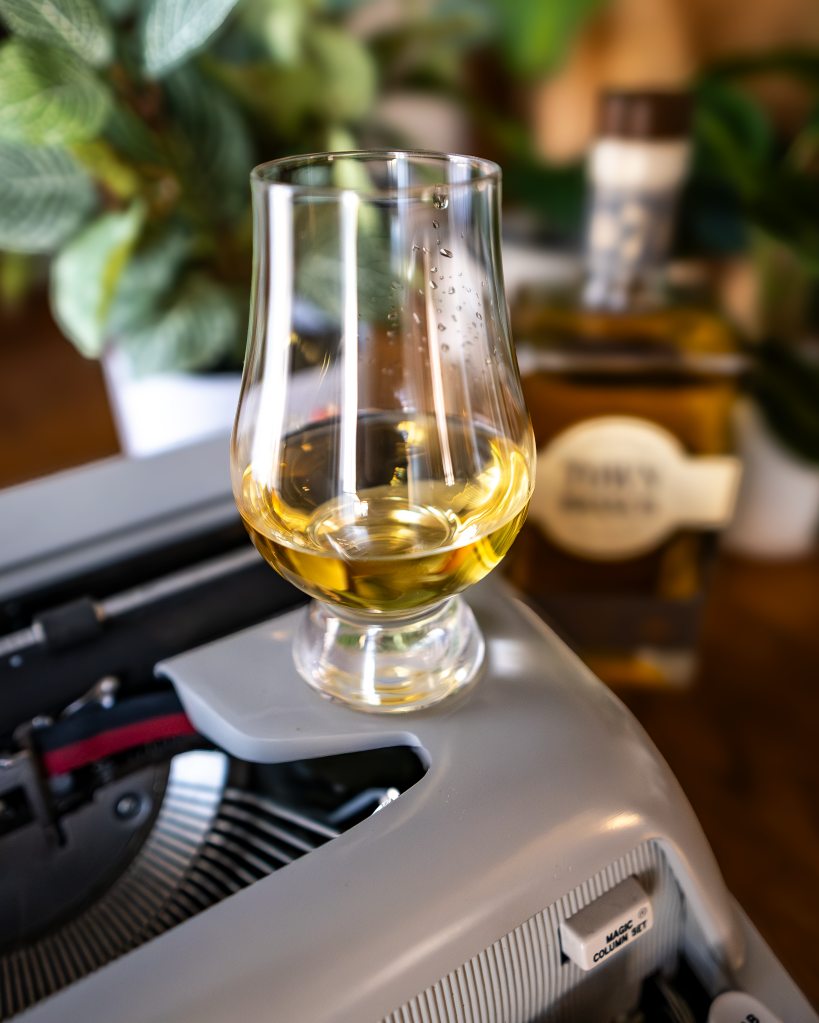
    It turns out, it was the whiskey. 

    Dave Bob was pouring from a brand new bottle, its contents recently awakened from their oaky slumber. He noted my surprise, and explained that the shift was intentional. 

    In Town Branch’s early days, founder Dr. Pearse Lyons had envisioned—and created—a softer, smoother spirit. Dr. Lyons was Irish by birth and by whiskey training, and while he chose a double distillation process for his Kentucky-made whiskey (rather than the triple distillation common in Ireland), he prioritized a light, approachable fruit-flavored profile.

    The approach made sense at the time, but does it still?

    In Kentucky, a delicate single malt doesn’t always stand up to its bolder brethren, bourbon and rye. And so Dave Bob set out to evolve the spirit, not abandoning Dr. Lyons’ vision, but reinterpreting it. It’s not a new distillate or proof or even age statement; instead, Dave Bob is working within the confines of whiskey distilled more than half a decade ago, incorporating older barrels to tease bolder flavors from the blend.

    The result is a single malt whiskey that can stand on its own—and a mixing glass.

    Tasting the (New and Improved!) Town Branch Kentucky Single Malt Whiskey

    In the glass, Town Branch’s Kentucky Single Malt Whiskey is noticeably pale—it’s, by far, the lightest expression in the entire Seven Days of American Single Malt Whiskey lineup. That color—or lack thereof—comes from the barrel.

    As the distilling part of Lexington Brewing & Distilling Company, Town Branch’s stills operate just steps from Lexington Brewing, where Kentucky Bourbon Barrel Ale is made.

    Barrel aging beer was one of Dr. Lyons’ signature innovations, and has come to define the brand for more than two decades. It also means that barrels at Lexington Brewing & Distilling follow a unique path, traversing Cross Street from the distillery to the brewery and back. First, the new oak barrels are filled with Town Branch Bourbon. Four to six years later, the barrels are emptied and filled with Kentucky Irish Red Ale, transforming it into the flagship Bourbon Barrel Ale. After that, the barrels hold one of the brewery’s cream ales: vanilla or tangerine. Only then are the thrice-emptied barrels filled with single malt new make spirit and left to rest for at least seven years.
    The whiskey that emerges is light gold in appearance. It opens to the nose with citrus fruit, vanilla, and malt, like the rich sweetness of a pineapple upside-down cake.

    On the palate, that fruit blooms into ripe and juicy flavors. There’s a touch of almond, or almond extract to be exact, and a viscous-yet-light mouthfeel.

    The finish tingles and lingers on the tongue, a flash of deeper fruit notes and baking spices. There’s also a hint of beer, a little bit of funkiness pulled from the depths of the well-used oak. It’s not unpleasant; it adds character, an extra bit of depth.

    All told, Town Branch Kentucky Single Malt Whiskey is bright, refreshing, and wholly different from any of the other whiskeys included in this series.

    It’s also different from its former self. Which, some might say, is the point.

    Slainte, y’all.


    In My Glass

    Kentucky Single Malt Whiskey

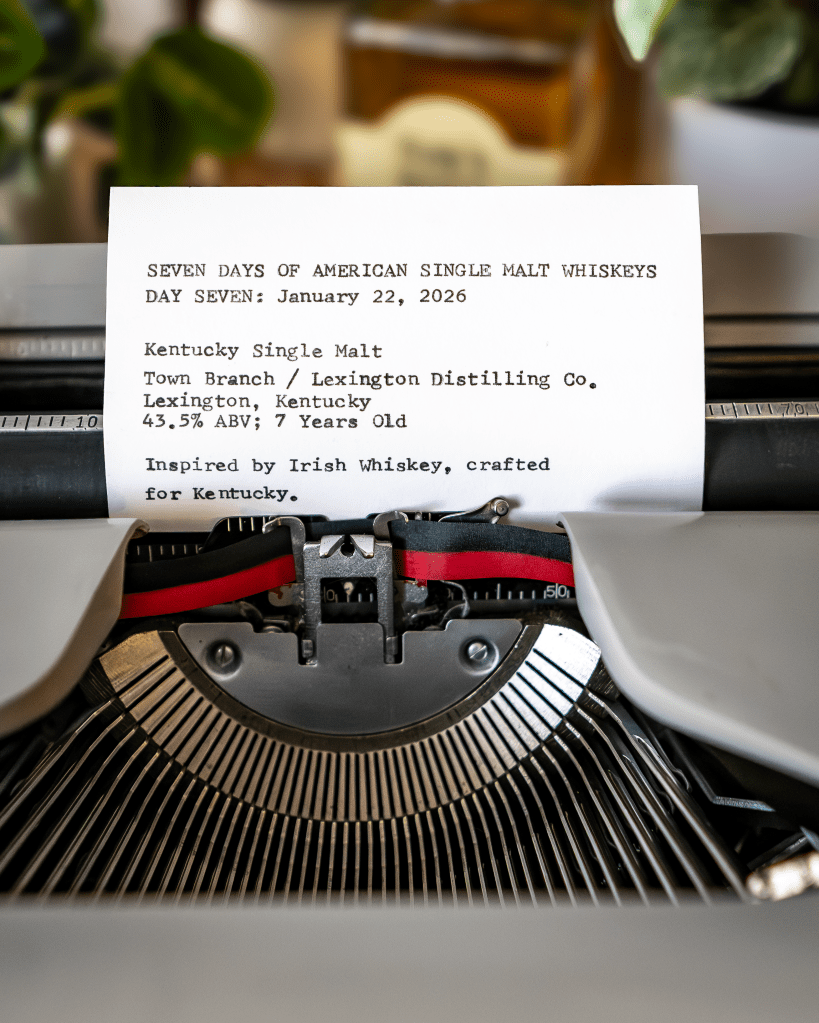
    Town Branch/Lexington Distilling Co. – Lexington, Kentucky

    43.5% ABV; 7 Years Old

    On My Desk

    Royal Futura 600 Typewriter

    Read More from the Seven Days of American Single Malt Whiskey 2026


    A Note of Gratitude

    This bottle of Kentucky Single Malt Whiskey was given to me by Dave Bob and the team at Town Branch. Thank you for letting me sample and share the new and improved single malt!
  • Seven Days of ASMW 2026 // Whiskey Del Bac Club Blend 2025

    Seven Days of ASMW 2026 // Whiskey Del Bac Club Blend 2025

    If I had a dollar for every time I heard someone call American Single Malt Whiskey “American Scotch,” I’d have enough to fund a much larger collection.

    But that collection would be funded by misconception at best.

    There’s no such thing as “American Scotch.”

    The first problem with the phrase is its impossibility. Scotch is, by definition, Scottish. American whiskey is, also by definition, American. The two are separated not just by geography (including a really big ocean), but by culture, history, and law.

    The second problem is the implication. Calling it “American Scotch” suggests mimicry, as if American whiskey are trying to counterfeit Scotch, the liquor equivalent of a “Guuci” bag sold on a New York street corner.

    Yes, many American Single Malt Whiskey distillers were, and are, inspired by Scotch. Some even produce spirits that taste remarkably like Single Malt Scotch Whisky. 10th Street Distilling’s Peated Single Malt, one of 2025’s Seven Days of American Single Malt Whiskey selections, is one such expression. Peated Scottish barley, copper pot stills, and ex-bourbon barrels produce a whiskey that, if you closed your eyes, could have originated on Islay—except it was distilled and bottled in California instead.

    This is the exception for American Single Malt Whiskey, not the rule. Even as American distillers draw from Scottish distillation traditions, they’re forging a distinct identity, represented in unique flavors that carry a uniquely American sense of place. 

    American Single Malt Whiskey is not a derivative of Scotch whisky, but a definitive spirit in its own right.

    The differences matter. Beyond geography, American single malt distillers have far more creative freedom than their Scottish counterparts. There is no pot still requirement, no three-year aging mandate. These liberties allow American distillers to experiment, to innovate, and to create a market on its own, separate from Scotch whiskey (and from bourbon too).

    In Tucson, Arizona, Whiskey Del Bac is doing more than crafting an identity; they are teasing the Scotch whisky world aong the way.

    If you meet the team behind Whiskey Del Bac, you would know the teasing was likely not intentional—or, at least, not ill-intentioned. The founder, Stephen Paul, is one of the nicest people you’ll ever meet. He built the distillery out of his garage, driven by curiosity and a history of handicraft.

    Whiskey Del Bac produces both smoked and unsmoked barley malt whiskeys, but the smoke you experience from this desert distillery is nothing like what you’d experience on the Isle of Islay.

    That is, of course, intentional. The distillery’s mantra—mesquited, not peated—signals a style that is cheeky, bold, and unmistakably Southwestern. Heat replaces humidity. Dust replaces brine. It tells you exactly who Whiskey Del Bac is, but it’s also a little cheeky, an exaggerated wink to Scotch drinkers, Scotch haters, and the Scotch Whisky world itself. 

    Provoking, or even outright offending, the Scotch Whisky industry is something of a rite of passage for American Single Malt Whiskey distilleries. Whiskey Del Bac earned their stripes in 2025, when the Scotch Whisky Association—the official body charged with protecting Scotch Whiskey, sent them a cease and desist letter targeting the name of the distillery’s annual winter release.

    The concern? That a saguaro-cactus-adorned bottle, clearly labeled as American Single Malt, might somehow confuse someone into thinking it was Scotch simply because it was named “Ode to Islay.”

    The letter, though inconvenient in timing (having landed just weeks before the expression’s release), was important. It indicated that Whiskey Del Bac had arrived. The Arizona distillery is no longer too small, too obscure or too inconsequential to be ignored.

    As Whiskey Del Bac grew, so did the scrutiny—and so did the SWA’s efforts to distance its whisky wards from these desert-made spirits.

    So, no, American Single Malt Whiskey is not “American Scotch.”

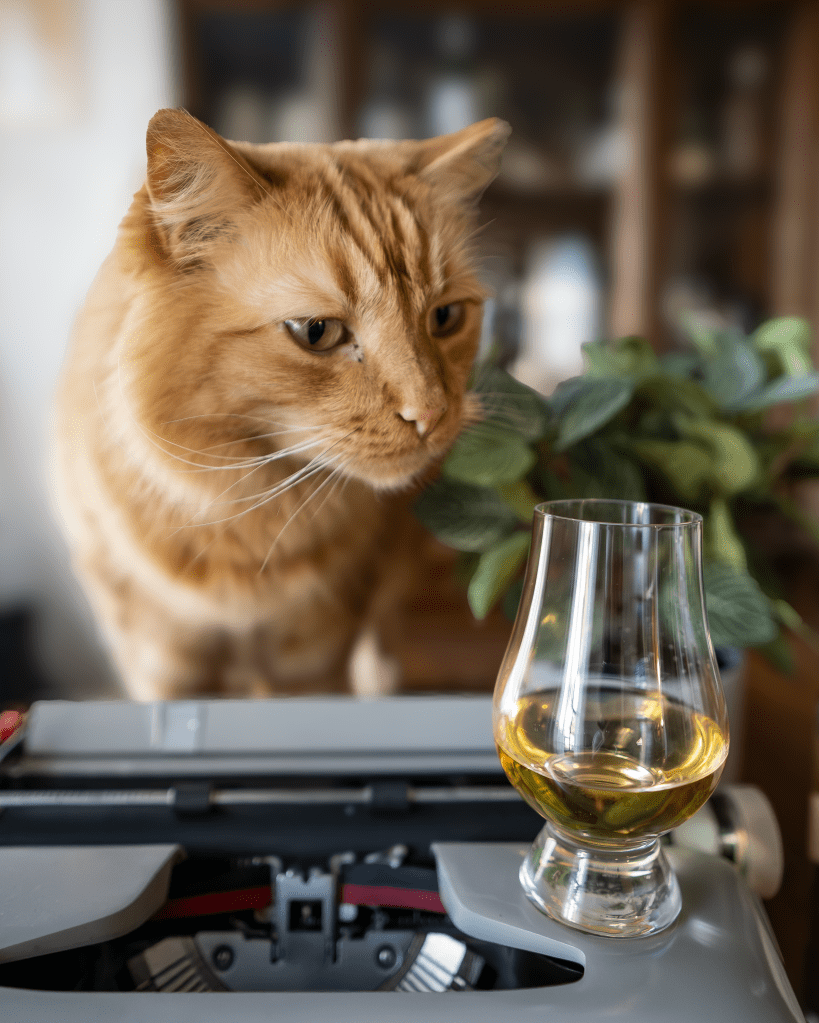
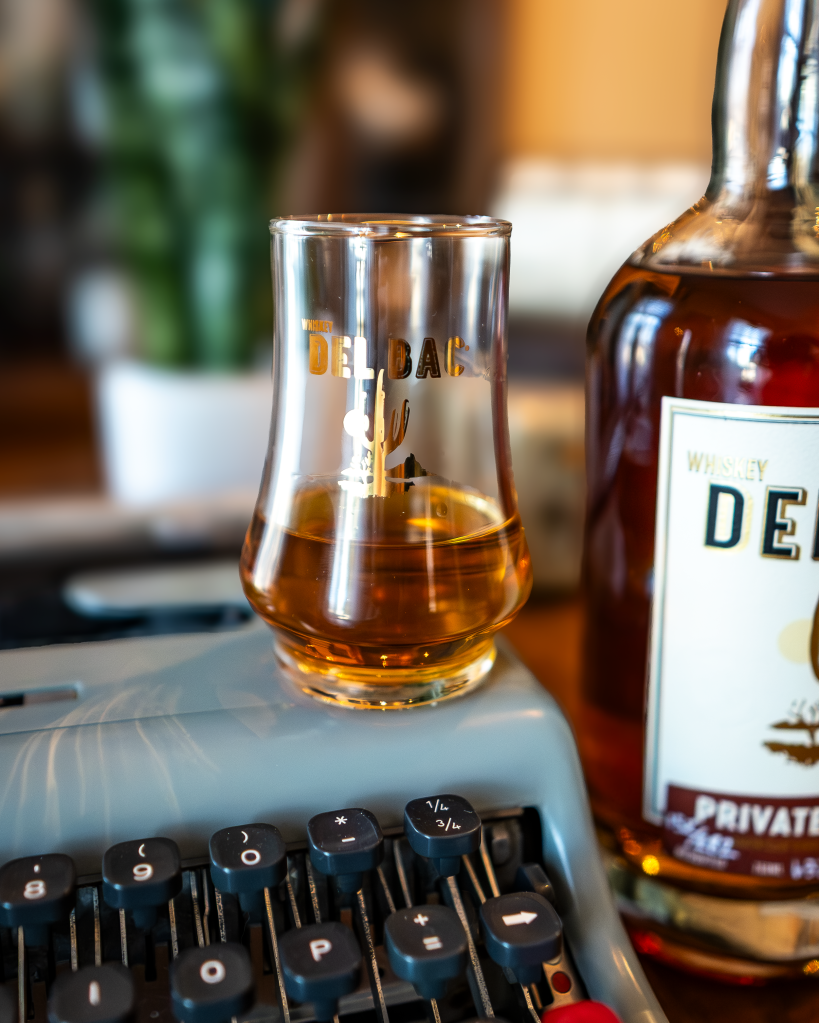
    A cease-and-desist aside, the proof with Whiskey Del Bac’s spirits is in the sip. That’s true with the now-renamed “Ode” and with the 2025 Private Barrel Club Blend American Single Malt Whiskey in my glass.

    Tasting Whiskey Del Bac’s Club Blend 2025 American Single Malt Whiskey

    Members of Whiskey Del Bac’s Whiskey Club aren’t just fans of the spirit; they’re insiders. Currently only available in Arizona but with plans to expand, the club offers members special access to invitation-only events and distillery-only releases.

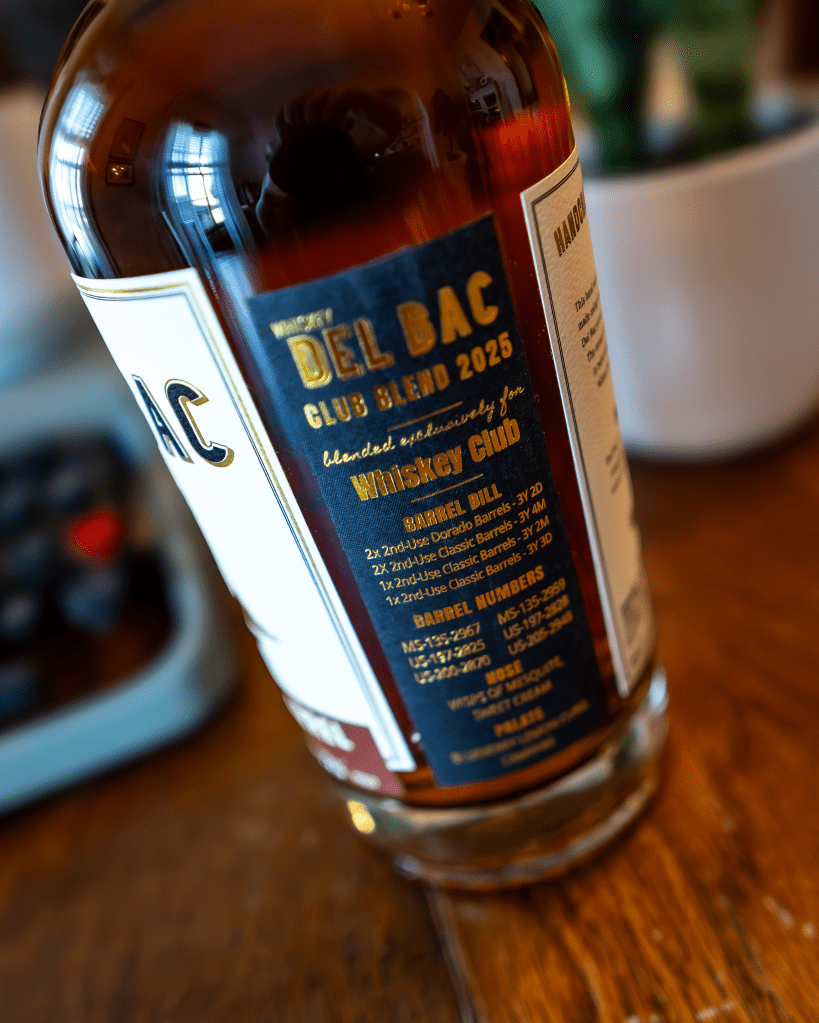
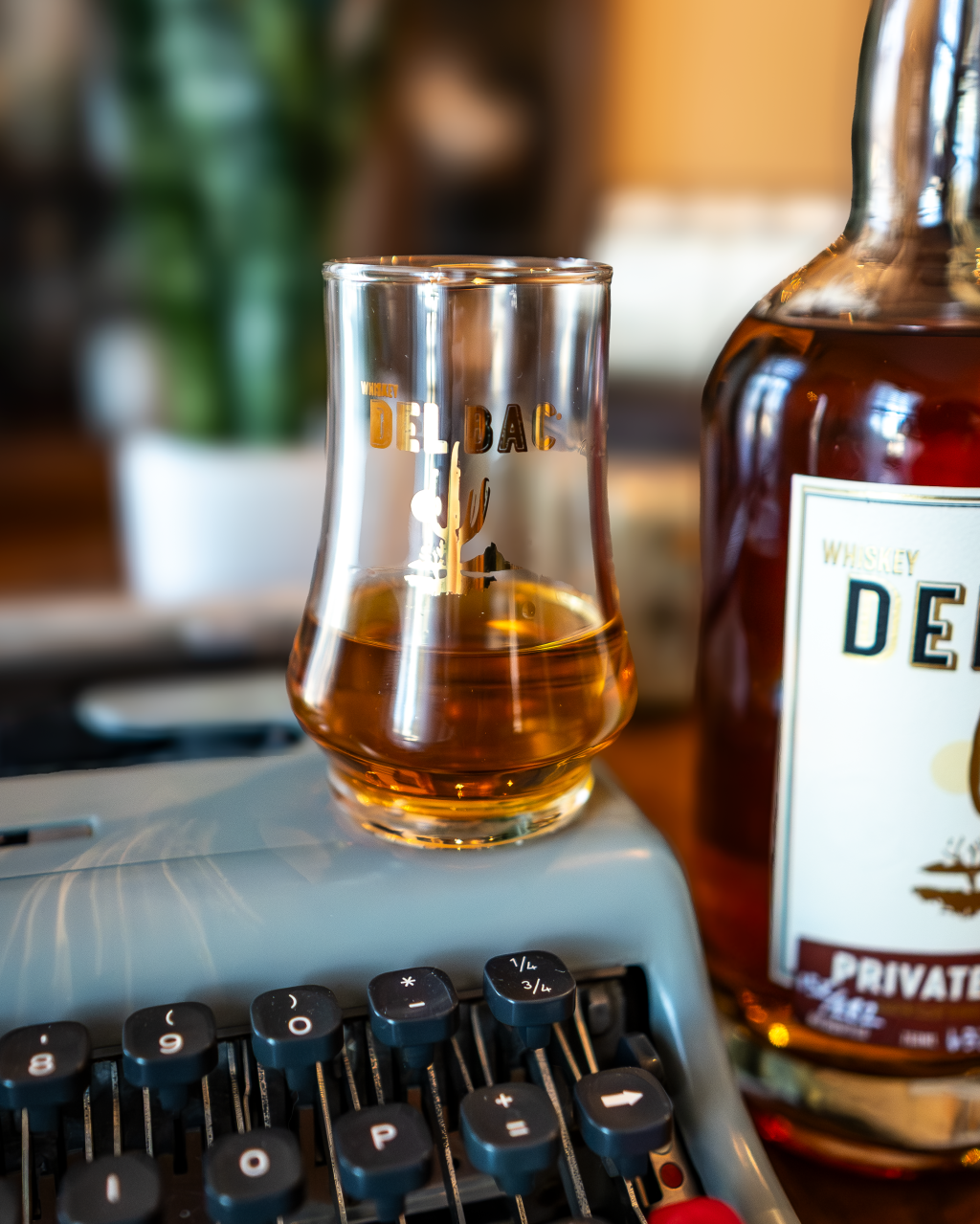
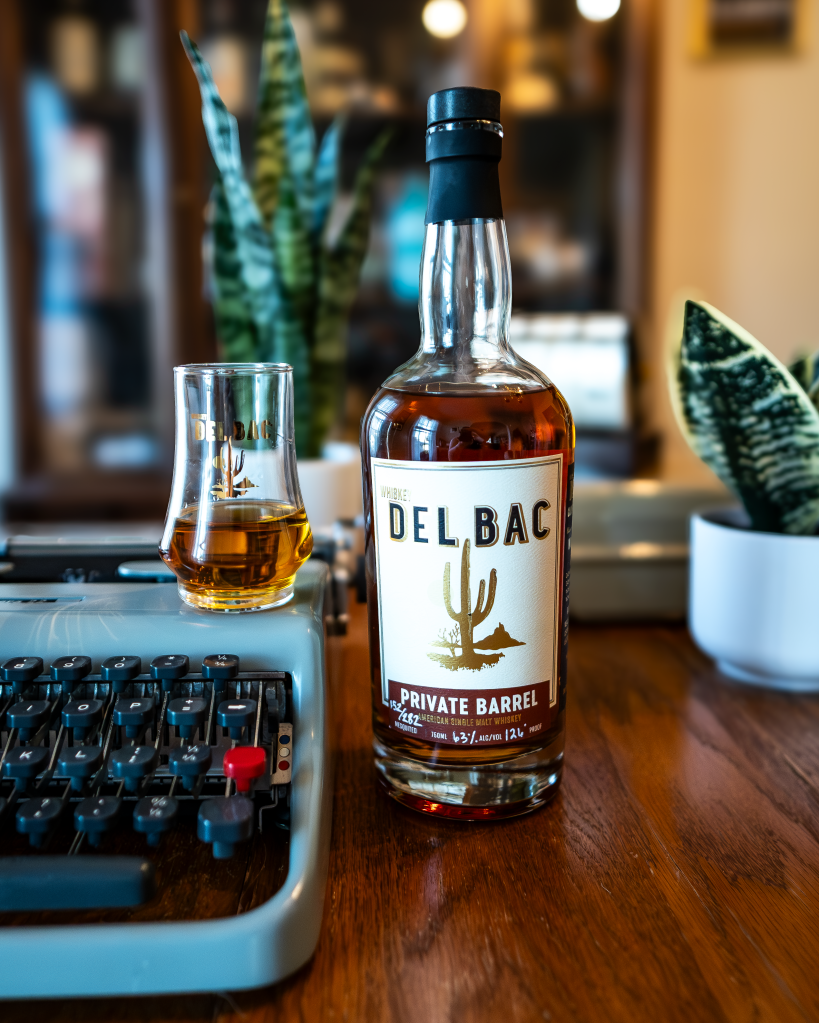
    The Club Blend 2025, is one of those releases: an exclusive, cask-strength blend of six barrels, with just 282 bottles filled in total. Number 152 is in my hands.

    Four of the barrels held the “Classic” whiskey, the distillery’s unsmoked spirit. Two were filled with Dorado, the mesquited-not-peated single malt made with barley malted and mesquite-smoked on site. All six barrels were on their second use—a departure from the distillery’s usual first-fill approach—and aged for at least three years, making this the second-oldest American Single Malt Whiskey they’ve ever released.

    Yes, three years in the barrel makes this spirit the second-oldest American Single Malt Whiskey from Whiskey Del Bac. Whiskey maturation just hits differently in the Southern Arizona desert—especially for a distillery that, as a rule, pours its new make spirit into virgin 15-gallon barrels.

    That’s not even the biggest surprise about this bottle.

    You might be tempted to think that a one-third ratio of smoked to unsmoked malt means a light smoky flavor. You would be absolutely incorrect. The aroma of mesquite, reminiscent of desert barbecues and warm nights, appears at the first pop of the cork. It carries with it a scent of sweet vanilla and baking spices, warm and inviting.

    On the palate, the 126-proof spirit amplifies that warmth, with campfires and cream, crème brûlée, and sticky pastries. The flavors are bold, rich, and lingering, coating the tongue and lighting a fire all the way down.

    It’s not fair—or honest, or complete—for me to explain the flavor of Whiskey Del Bac in this way.

    To me, this whiskey is a dark cigar and a low fire under a clear night sky, stars glowing and sparkling above, unhindered by the glow of streetlights. It’s long evenings at Batch, the downtown whiskey bar, sipping on Scotch and American whiskeys as I lick the sticky icing of a house-made donut off my fingers. It’s too-hot nights and the not-so-distant howl of coyotes and the way that the brown-and-green desert explodes into color with the spring bloom.

    At its best, whiskey isn’t just a drink, a portal to drunkenness, or a social lubricant. It is experience and memory, deeply personal yet meant to be cherished, savored, and shared.

    Sláinte, y’all.


    In My Glass

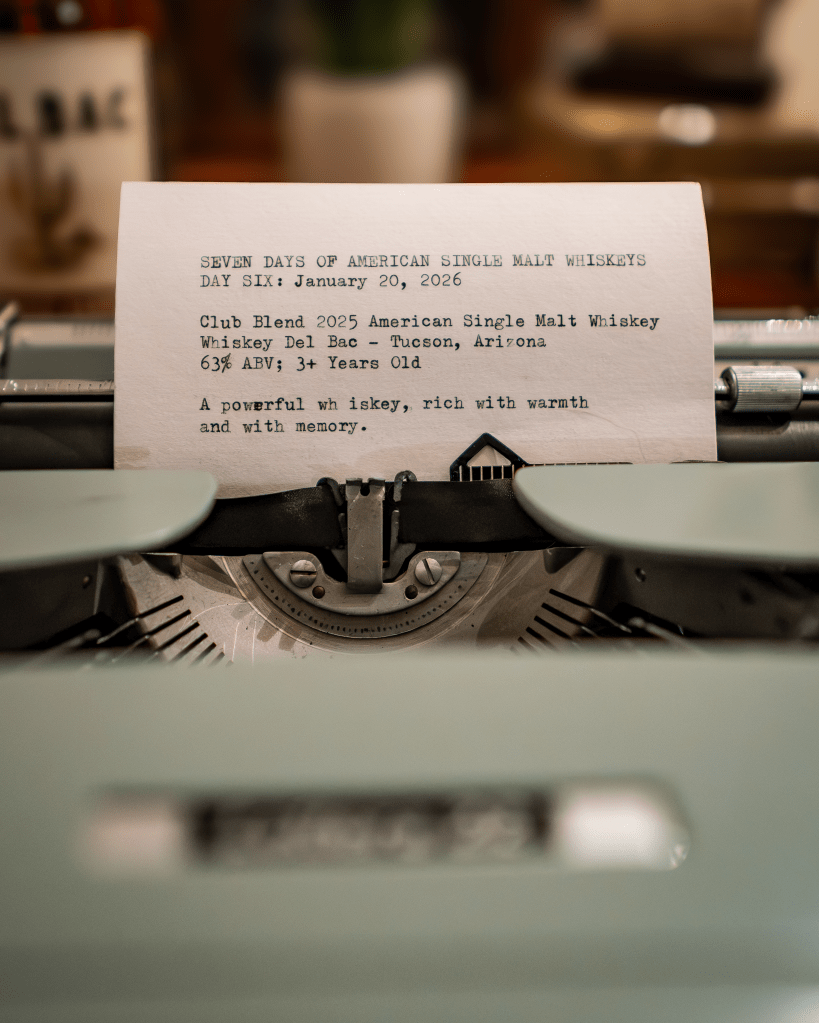
    Club Blend 2025 American Single Malt Whiskey

    Whiskey Del Bac – Tucson, Arizona

    63% ABV; 3+ Years Old

    On My Desk

    1961 Olivetti Lettera 22 Typewriter

    Read More from the Seven Days of American Single Malt Whiskey 2026


    A Note of Gratitude

    This bottle of Whiskey Del Bac Club Blend 2025 was sent to me by the team at in Tucson. Thank you all for sending such a beautiful bottle of whiskey!

  • Seven Days of ASMW 2026 // The QuintEssential Signature Blend (Batch 017)

    Seven Days of ASMW 2026 // The QuintEssential Signature Blend (Batch 017)

    “Is this Heaven?”

    “No, it’s Iowa.”

    Field of Dreams, 1989

    In the early days of whiskey making, you would be hard-pressed to find a distiller who didn’t also carry the title of farmer. Whiskey was, first and foremost, an agricultural product. Farmers transformed their excess grain into distilled spirits to prevent spoilage, supplement their homegrown income, and secure the revelry of their family and their neighbors alike.

    In eastern Iowa, the agricultural roots of distillation still grow deep into the rich Midwestern soil. The Quint family founded Cedar Ridge Distilling in 2005, establishing the first legal distillery in Iowa since before prohibition—but they were farmers first. Their ancestors settled in Winthrop, Iowa in the late 1800s, building a farm and a life shaped by the American dream.

    “While the equipment has changed, the job hasn’t,” says Jeff Quint in a video for Cedar Ridge Distilling. “Get the seeds in the ground and let nature do the rest.”

    Located in America’s heartland, Iowa is nearly synonymous with corn. This mid-sized Midwestern state (26th in the nation by land area) produces an astounding amount of the grain—2.77 billion bushels in 2025, according to recent reports.

    It’s no surprise, then, that Cedar Ridge started its whiskey production with bourbon. While most Iowa corn is sent to market and sold to the highest bidder (or for whatever the going price is at the time), the Quints’ grain instead heads straight to their distillery in nearby Swisher, Iowa.

    Cedar Ridge describes its Iowa Bourbon Whiskey as “a clean, approachable sipping whiskey.” The grain-to-glass spirit won Gold and Best of Category at the 2018 Los Angeles International Spirits Competition Awards, helping to put Iowa whiskey on the national map.

    Corn whiskey may have been the obvious starting point for Cedar Ridge, but The Quint family didn’t stop there. Inspired by Scotch whisky (and the rich finishing techniques of historic distillers The Balvenie), they began producing single malt whiskey using barley sourced from Canada. Those early experiments and releases evolved into what is now The QuintEssential, with Batch No. 001 released in 2020.

    (Well played with the name, Quint family. We love a good play on words around here.)

    By 2025, they were already on Batch No. 017 and had racked up an impressive list of awards for the spirit: Double Gold at the 2025 SIP Awards; Gold at the IWSC in 2024; and a 5/5 rating from The Whiskey Wash, to name a few.

    “With upfront deep stone fruit balanced by a subtle peat finish, this single malt sets the American Standard with a taste that’s perfectly rich and complex,” reads the label on the front of my bottle of The QuintEssential Signature Blend Batch No. 017.

    It’s a bold claim, especially given the vast and rapidly expanding landscape of American Single Malt producers. And yet, there is something genuine in the assurance. The brand’s tagline, Authentic by Nature, speaks not only to their agricultural roots but also to a distinctly Midwestern sensibility marked by hard work and humility.

    Tasting The QuintEssential Single Malt Whiskey (Batch 017)

    The QuintEssential is released in batches, but Cedar Ridge’s unique Solera aging process ensures a continuous line threaded through every bottle of single malt whiskey that they produce. More commonly associated with wine-making—another part of the Cedar Ridge craft beverage lineup—the solera method can be found at a handful of distillers, offering a unique way to marry the flavors of the whiskey while creating consistency over time.

    Cedar Ridge uses two styles of two-row malted barley to make The QuintEssential whiskey, one peated and one unpeated. They’re first double distilled and aged separately, coming off the still at 148 proof and cut to 120 proof before going into a barrel.

    The peated distillate is aged in ex-bourbon barrels for four to five years before entering the solera barrel. The unpeated distillate spends just two to three years in an ex-bourbon barrel before being transferred into finishing barrels.

    Because Cedar Ridge makes both bourbon and wine, there is no shortage of barrels on site, but they do pull from other sources as well. The exact mix of finishing can include rum, wine, port, sherry and fruit barrels, among others.

    After its initial aging and finishing, the fresh whiskey is transferred into the solera cask, a giant wooden barrel that never runs dry. There, the new whiskey blends and integrates with a continually aging “motherbatch” of single malt spirit. Though every batch has its nuances, this process ensures that every bottle of whiskey carries with it the full history of Cedar Ridge’s single malt whiskey expressions.

    My first sniff of The QuintEssential Batch 017 is bright with stone fruits like plum and peach. There’s a hint of sweetness too, like buttered dessert breads mingling with vanilla.

    On the tongue, the fruit flavors take a step back, swirling and slipping into malty, oaky pepper. A hint of peat smoke dances around the gently sweet flavors, lingering on the tongue as the rest fades away.

    At 92 proof, it’s an easy sipper, but with complexity and depth more often found at a higher ABV. The proprietary blend of cask finishing adds intrigue without overwhelming the core character. That’s a testament to the expertise of Cedar Ridge’s head blender Murphy Quint. In the wrong hands, Cedar Ridge’s complex finishing approach could easily veer into overcomplication, but here, the flavors remain well-balanced.

    The excellence of the whiskey aside, The QuintEssential stands as a testament to the creative freedom that American Single Malt Whiskey distillers enjoy. With no restrictions on stills, barrels, or aging timelines, the category invites experimentation, giving whiskey makers the opportunity to shape unique expressions that are unmistakably their own.

    In Cedar Ridge’s case, that freedom takes the form of a solera-finished single malt born in the heartland of America—and a distinctive spirit that couldn’t be made anywhere or by anyone else.

    Sláinte, y’all.

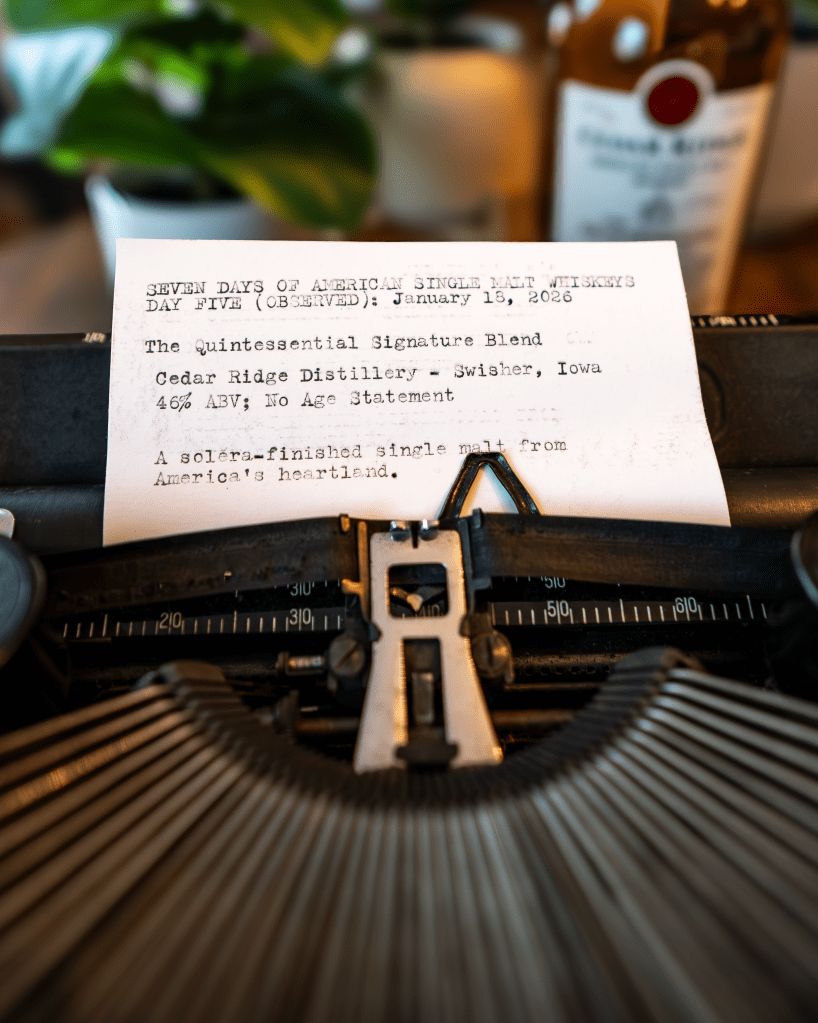
    In My Glass

    The QuintEssential Signature Blend Single Malt Whiskey (Batch No. 017)

    Cedar Ridge Distillery – Swisher, Iowa

    46% ABV; No Age Statement

    On My Desk

    Remington Rand Deluxe Model 5 (which is so pretty, but needs so much work)

    Read More from the Seven Days of American Single Malt Whiskey 2026


    A Note of Gratitude

    This bottle of The QuintEssential was sent to me by the folks at Cedar Ridge. Thank you to the Quint family and Cedar Ridge team for letting me sample and share their fascinating whiskey!

  • Seven Days of ASMW 2026 // Redwood Empire Foggy Burl Batch 003

    Seven Days of ASMW 2026 // Redwood Empire Foggy Burl Batch 003

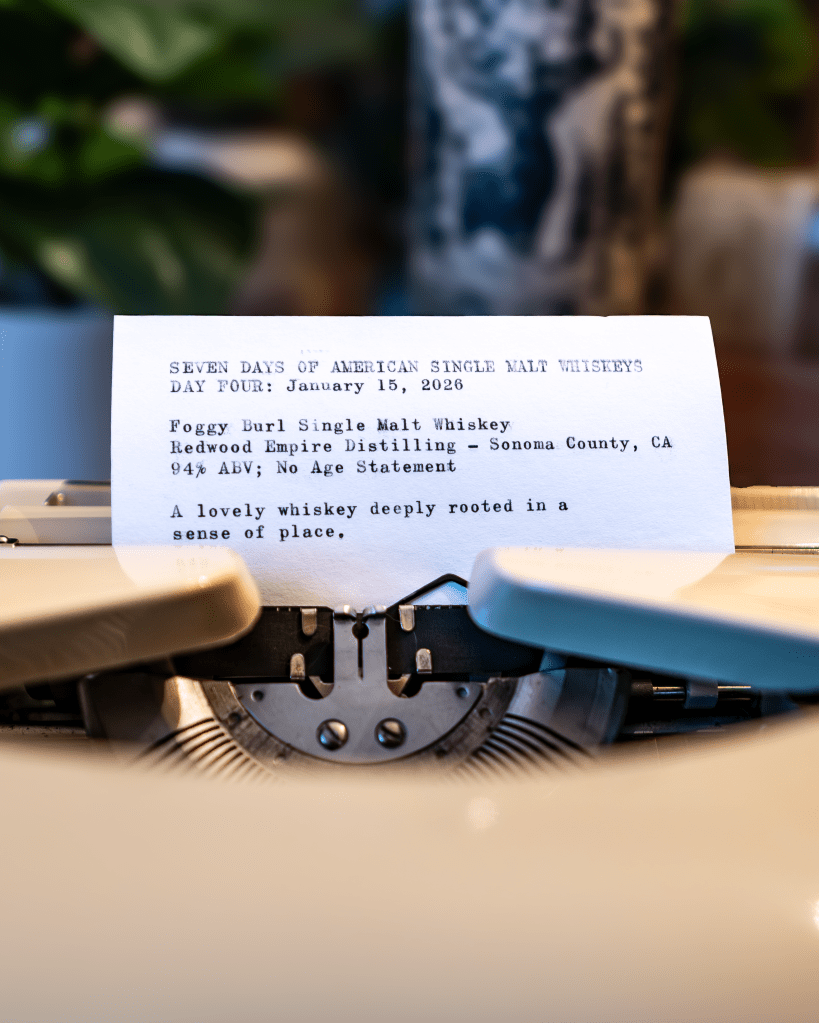
    For day four of Seven Days of American Single Malt Whiskey, we’re headed to the woods. Not just any woods, but the Redwoods of Northern California.

    The Redwood Forest stretches hundreds of miles along the northern California coast from the San Francisco Bay up into southeastern Oregon. Here you’ll find some of the tallest trees in the world, some extending as much as 380 feet from earth to sky.

    This is ancient land, abundant in life and history. The massive trees once covered some two million acres, but intense logging in the 19th and 20th centuries destroyed most of the original forest. Loggers not only devastated the local ecosystem of the trees, but disrupted the lives of the indigenous people who had resided among the trees for centuries. Today, less than 5% of the once-expansive Redwood Forest remains. What is left is now fiercely protected, ensuring that these living giants can never again be cut down.

    It was this landscape that inspired founder Derek Benham in 2013. According to the distillery’s website, Benham “saw potential in this region’s cool, temperate climate—perfect for aging whiskey slowly and evenly.” In 2015, he broke ground on a new distillery in Graton, California, filling the first barrels of Redwood Empire Whiskey that same year.

    Graton is located in Sonoma County, in the heart of wine country. It may seem like a surprising place for a whiskey distillery, but it’s one deeply rooted in craft beverage tradition. Both Master Distiller Jeff Duckhorn and Master Blender Lauren Patz, come from wine families, bringing a unique heritage of patience and terroir to their whiskey-making.

    In an article for Men’s Journal, Duckhorn described Redwood Empire’s whiskey as having a strong “sense of place.” For this distillery, that’s more than a poetic notion, but a responsibility. From the start Redwood Empire Distilling focused on making its spirits from local grains from the start, sourcing corn, barley, rye, and wheat from the nearby Sacramento Valley. Plus, through a partnership with Save the Redwoods League and Trees for the Future, they’re working to rebuild the forest around them. To date, more than 1.8 million trees have been planted.

    In 2025, the distillery moved from their original facility in Graton to an expansive space on Mare Island, a narrow strip of land between the Napa River and the San Pablo Bay. They now occupy two historic buildings that once housed a naval base dating back to the mid 1800s. It was the first naval base on the West Coast and an important hub during World War II, where hundreds of naval ships (and a handful of submarines) were built and repaired.

    Today, the waterfront campus houses a bar, restaurant, and all distillery operations. And, for the first time, it allows Redwood Empire to welcome visitors.

    Big trees, waterfront views, and good whiskey? Sign me up.

    Tasting Redwood Empire Foggy Burl 100% California Single Malt Whiskey (Batch 003, 2025 Release)

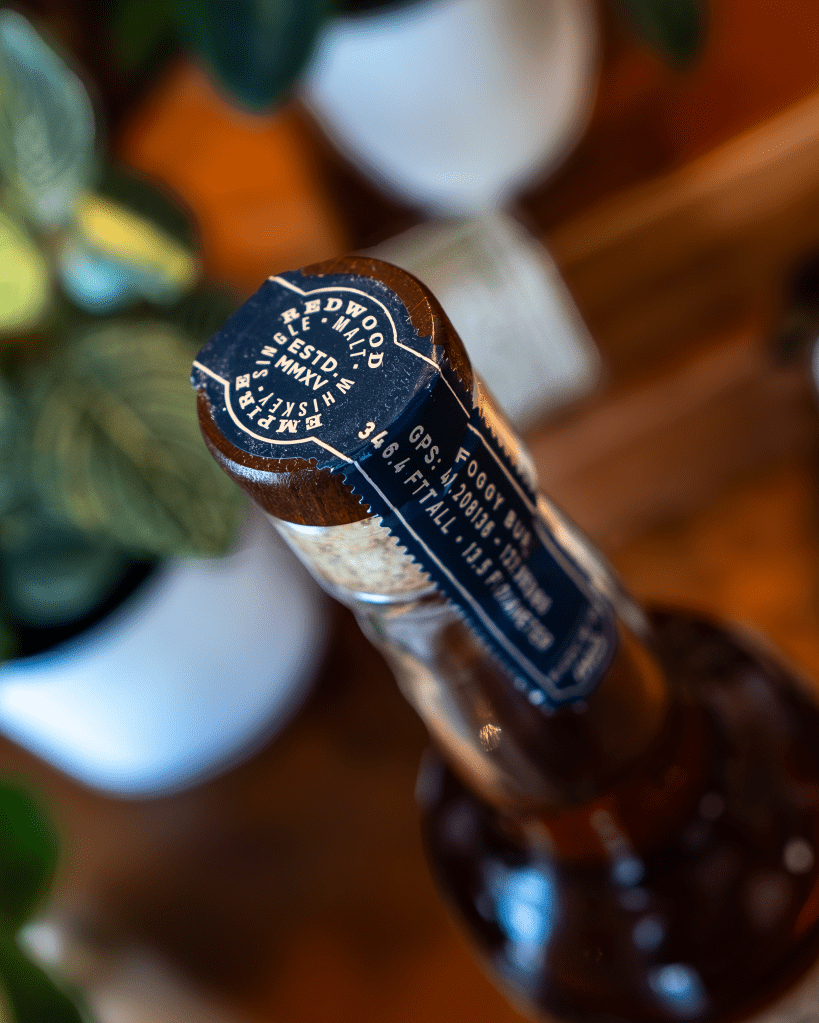
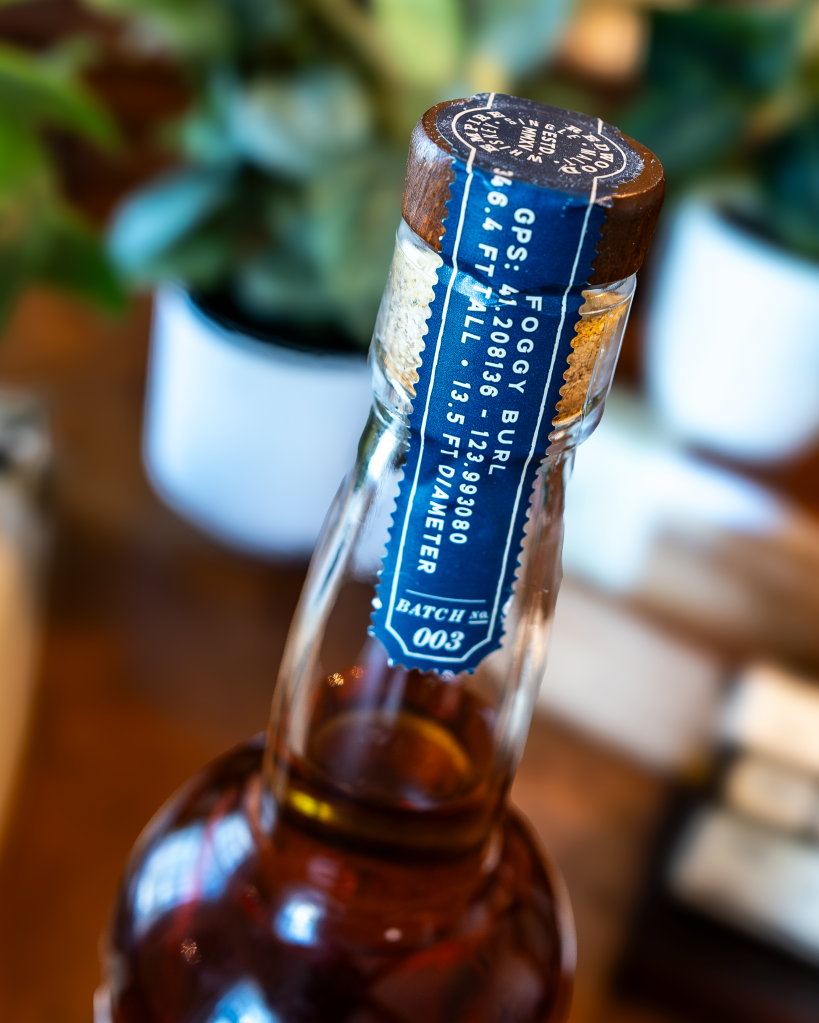
    Many of Redwood Empire’s whiskeys are named for the giant trees of the Redwood Forest. Foggy Burl Single Malt Whiskey takes its name from a towering redwood located off the bank of Redwood Creek near Tall Trees Grove. The tree is known for its remarkable use of fog, drawing approximately 40% of its water needs from the coastal fog that often fills the woods.

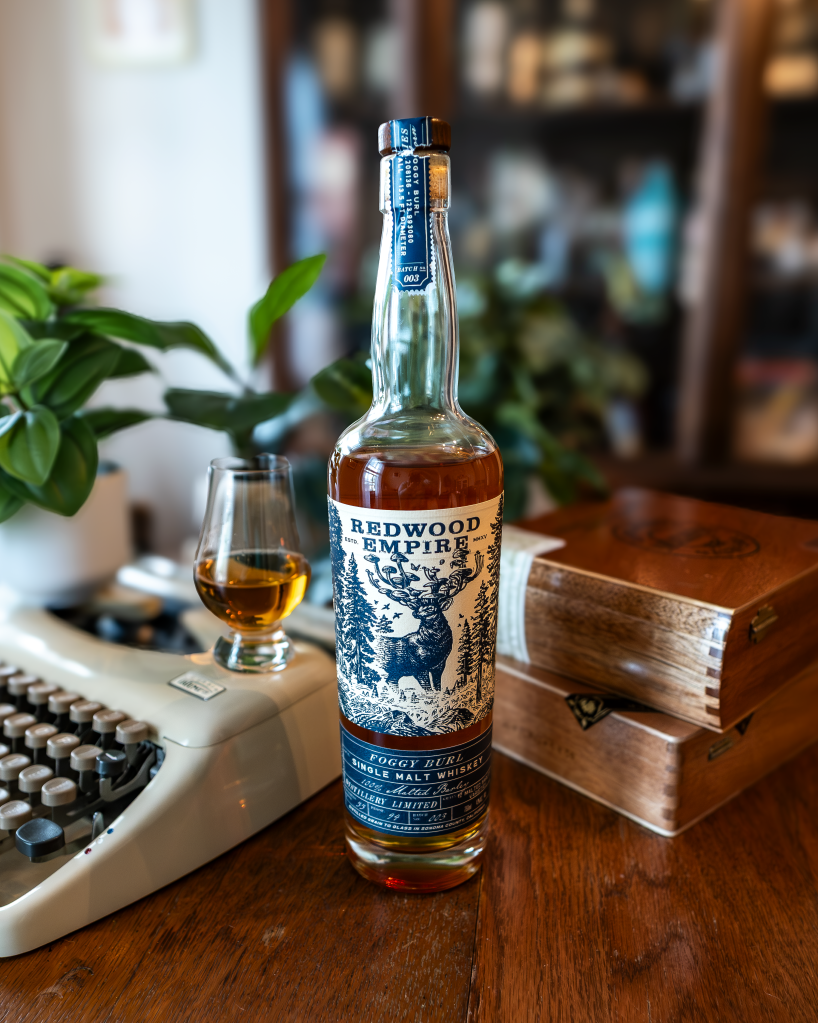
    Foggy Burl stands 347 feet tall and more than 13 feet in diameter, its magnificent height mirrored in the tall, slender bottle of whiskey.

    Every batch of Foggy Burl Single Malt Whiskey is different, and each release an evolution in the distillery’s 10-year history of experimentation. There’s no age statement, no barrel information. But for Batch 003, released in 2025, the combined mash bill includes 12 different malt varieties, including distillers malt, munich, carabrown, chocolate, Maiden Voyage, and more. True to Redwood Empire’s founding principles, every ounce of barley comes from Northern California, making this spirit a uniquely Californian whiskey, from grain to glass.

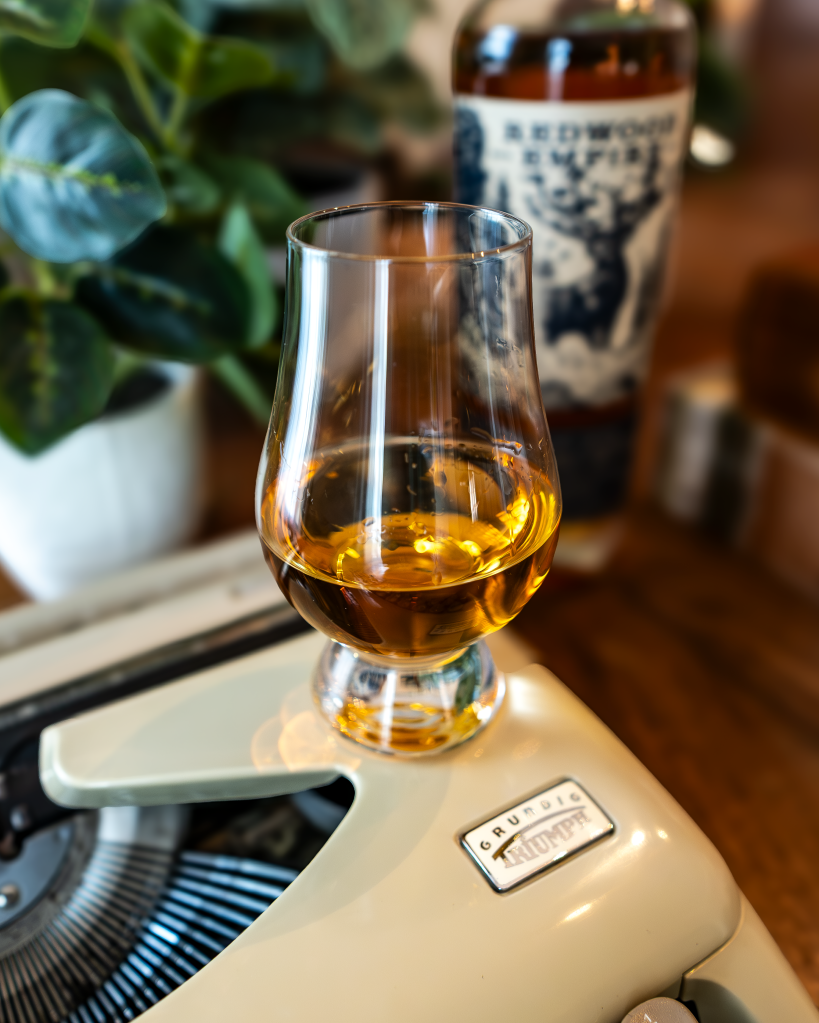
    On the nose, I get a bright blend of fruit and nuts, fresh and vibrant. Its legs are soft, not oily or coating the glass in a thick haze, yet slow to return to the body of the spirit below. It’s golden in color, described on the provided spec sheet as “24K Gold.”

    The palate delivers beautifully on the promises of the nose. The fruity notes deepen, rounding into a richer flavor profile and balanced with an earthy, sweet undertone. There’s a last dance of luxury and a hint of oaky spice in the finish, which the distillery describes as “sinfully decadent.”

    Ooh, la la.

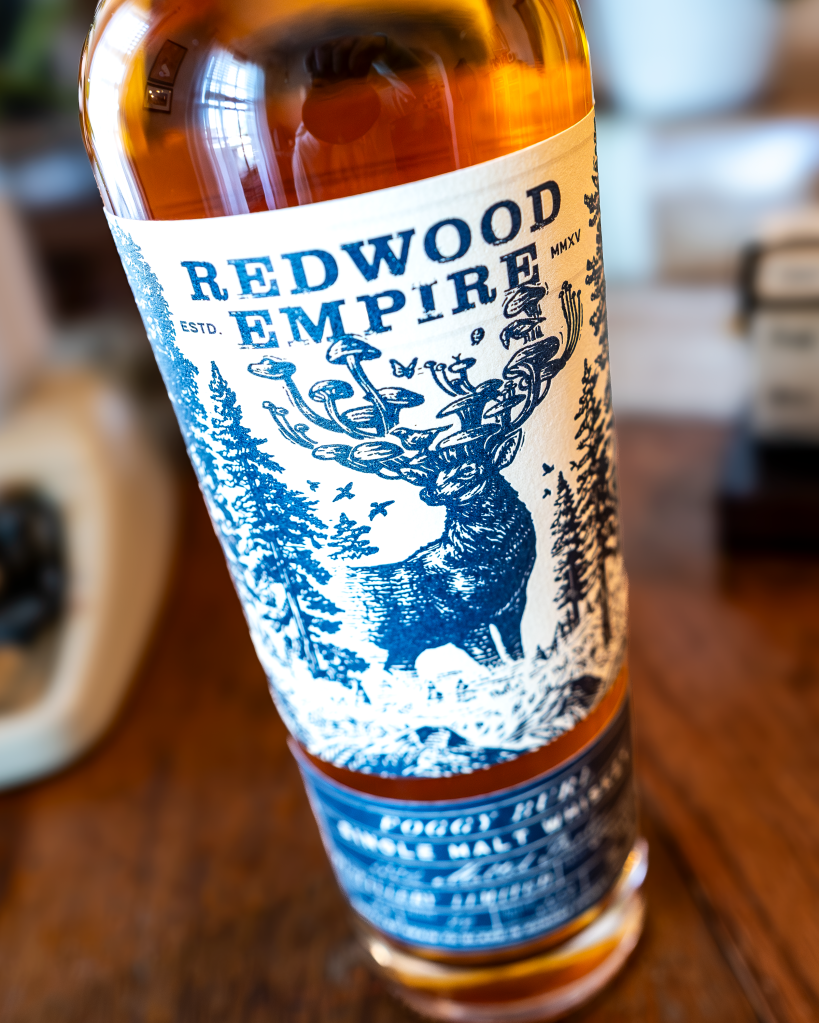
    I love a spirit that winks at you, and this is just such a whiskey. From the stunning linocut-styled label (mine in a limited-edition blue) to the fungus-adorned antlers of the regal buck it portrays, this whiskey is a vibe from start to finish. It is nature and luxury combined, a steady companion for any occasion, whether that’s an adventurous day spent on a forest trail or a cozy moment in laughter with good friends.

    Some whiskeys rely on grandeur and spectacle, requiring a creative hook to pique interest and position the spirit in the wider whiskey world. In comparison, this whiskey feels understated. It’s stripped back and honest, presented without pretense to let the wonder and beauty of its home shine through every pour.

    It makes me want to go to the woods.

    (And I, as a general rule, do not go to the woods.)

    But maybe I just haven’t found the right woods yet.

    Slainte, y’all. 


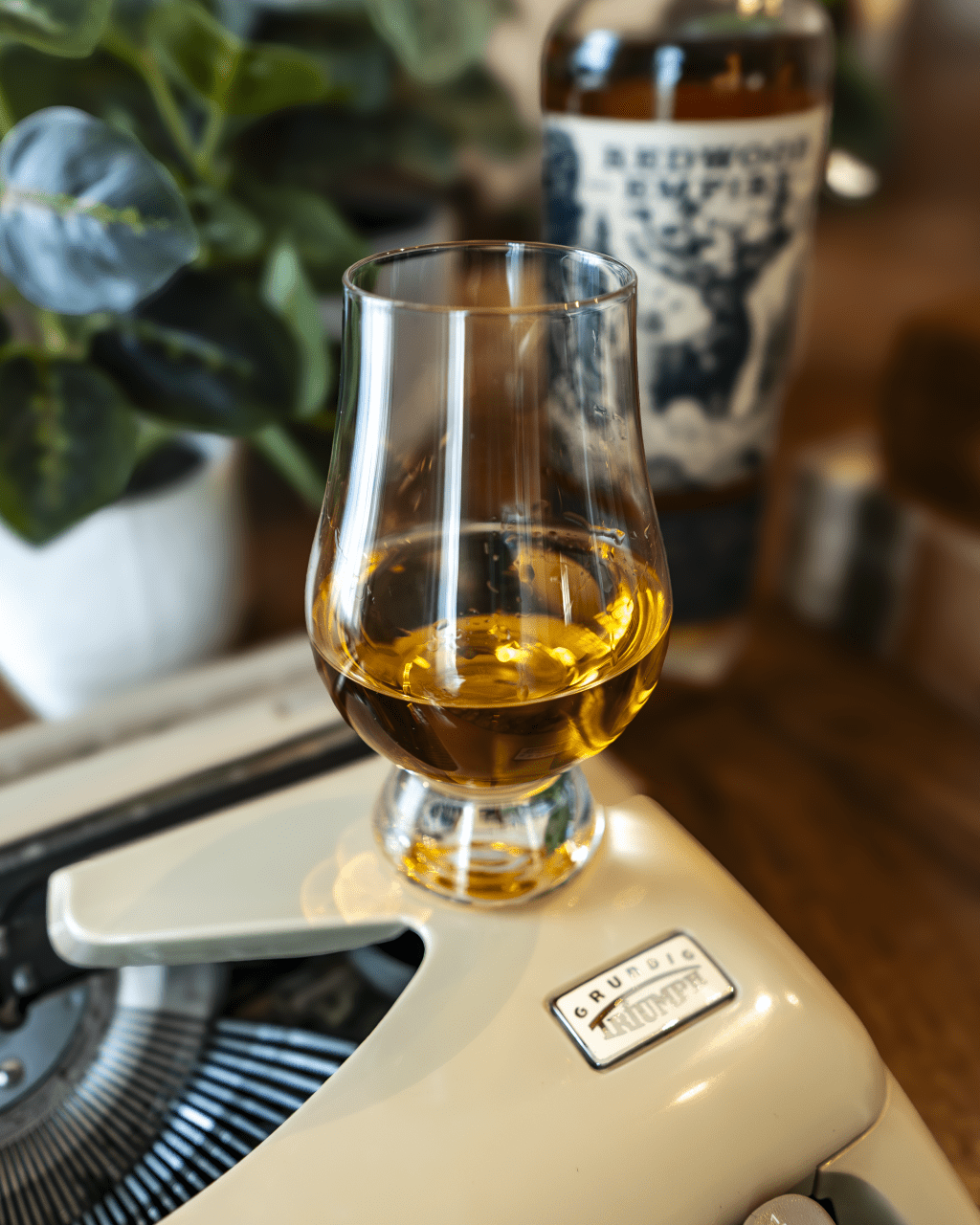
    In My Glass

    Foggy Burl Single Malt Whiskey

    Redwood Empire Distilling – Sonoma County, California

    47% ABV; No Age Statement

    On My Desk

    Grundig Triumph Personal typewriter

    Read More from the Seven Days of American Single Malt Whiskey 2026

    Day One: McCarthy’s Oregon Single Malt Whiskey

    Day Two: New Riff Sour Mash Single Malt

    Day Three: Stranahan’s Mountain Angel 12 Year


    A Note of Gratitude

    This bottle of Foggy Burl Single Malt Whiskey was sent to me by the folks at Redwood Empire Distilling. Thank you to the team for sending the bottle to sip and share!

  • Seven Days of ASMW 2026 // Stranahan’s Mountain Angel 12 Year

    Seven Days of ASMW 2026 // Stranahan’s Mountain Angel 12 Year

    It’s day three of the 2026 Seven Days of American Single Malt Whiskey series, and I have a confession to make: I didn’t like Stranahan’s Rocky Mountain Whiskey the first time I tasted it.

    The thing is, there are certain American Single Malt expressions that lean hard into a banana bread flavor profile. I’ve asked a few distillers about the source of this particular note, and the answer is always the same: it’s a combination of factors. Yeast selection. Fermentation methods. Where the cuts are made off the still.

    It’s all science and taste and artistry tied together. Absolutely fascinating, of course.

    But I just don’t enjoy it.

    It’s odd, too, because I love banana bread.

    I still have my grandmother’s handwritten recipe card in my kitchen, nearly 20 years after her death. She made it often, using up whatever rapidly-browning bananas were sitting on her counter. She would even send me a loaf or two when I was in college. I would warm a slice in the microwave, slather it with butter, and enjoy a little taste of home.

    But one thing that I’ve discovered throughout my whiskey journey is this: while I may love something on a plate, I don’t always like it in a glass.

    Banana bread is the perfect example, and it was that flavor profile that dominated my first experience with Stranahan’s Original Single Malt Whiskey. But with so many other whiskeys in the world to explore, I simply labeled the spirit as “not my favorite” and moved on.

    Until a few years later, when I found myself in Stranahan’s Denver Distillery.

    I had flown up from Tucson, Arizona to attend an event with the Scotch Malt Whisky Society, and I figured I ought to make the most of the plane ticket. Despite my skepticism toward Stranahan’s (unfairly assigned after one tasting of one expression), I was excited to visit another ASM distillery, so I booked a tour.

    Walking through the facility—one of the largest, if not the largest, single malt-focused distilleries in the country—I learned about its history and processes. While Stranahan’s wasn’t the first to make an American Single Malt Whiskey, they are among the oldest. Their first whiskey was released in 2006, nearly 10 years after a barn fire sparked an unexpected friendship between a local brewer and a volunteer firefighter.

    That fire connected local whiskey enthusiasts Jess Graber and George Stranahan, who together developed the recipe for what would become Stranahan’s Rocky Mountain American Single Malt Whiskey. Graber officially founded the company in 2004, naming it after his friend. It was the first (legal) distillery in Colorado since prohibition.

    Today, Stranahan’s proudly calls itself the #1 American Single Malt. It’s a bold claim, but not without merit. After 20 years of production, they are the most awarded distillery in the American Single Malt Whiskey category. Building on the success of the Original, they offer a full range of small batch single malt whiskeys, which are available for sale in their Denver brand home and across the country.

    I tasted a few of those whiskeys—including one or two limited distillery exclusives—at the end of my 2023 tour. Standing in the Stranahan’s distillery tasting room, I learned a very important lesson:

    Never, ever judge a whole distillery by a single expression.

    As it turns out, I like Stranahan’s just fine, thank you very much. And I’m genuinely excited to include them in this year’s Seven Days of American Single Malt Whiskey series. Especially because the expression they sent me, the Mountain Angel 12 Year, was recently awarded the #16 spot in Whisky Advocate’s Top 20 Whiskies of 2025.

    Yes, please.

    Tasting Stranahan’s Mountain Angel 12 Year Single Malt Whiskey (Batch 2)

    If you’ve ever wondered where the angels might be the happiest, look to the skies above Denver, Colorado. The city’s high altitude, dry air, and dramatic temperature shifts all wreak havoc on aging whiskey. Evaporation accelerates as barrels breathe deeply and the angel’s share climbs, leaving far less in the barrel than one would prefer.

    For the Mountain Angel 12 Year, the angel’s share reaches nearly 80%. A shocking four-fifths of every barrel disappears into the air in just over a decade. What remains is bottled as the distillery’s “rarest expression,” produced in limited runs and released in small batches.

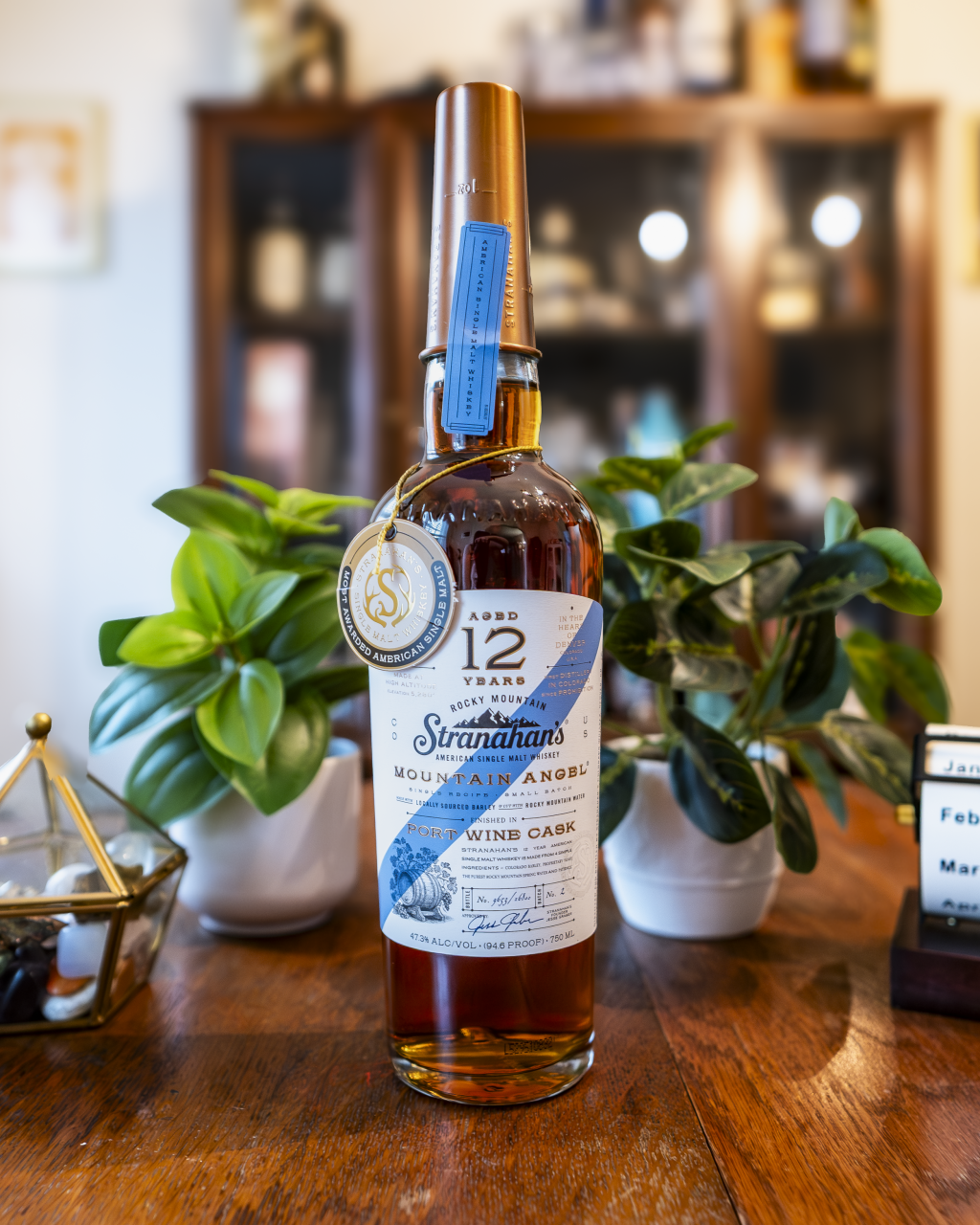
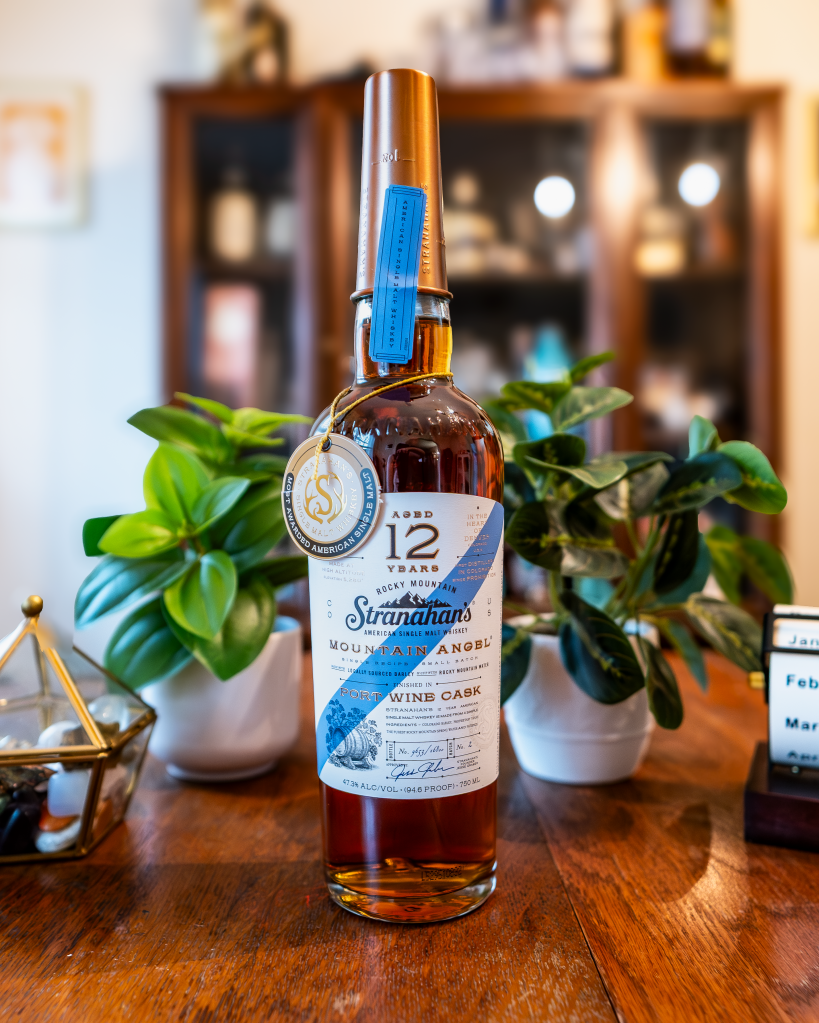
    My bottle is from Batch No. 2, numbered as 9,653 out of 16,800.

    (Okay, it’s not a tiny run of whiskey, but I told you they were pretty big.)

    For a whiskey category that’s barely three decades old, a 12-year age statement is not insignificant. Stranahan’s uses local barley—Colorado being one of the few states where the crop thrives—and crisp Rocky Mountain spring water to produce their spirits. This particular whiskey is aged first in new American Oak barrels, then finished in port wine casks.

    On the nose, I get rich, ripe fruit, sweet and potent. Yes, there’s still a whisper of banana bread, but it’s refined now, not heavy or overbearing. After a swirl, the whiskey slides back down the glass at a moderate pace, not too thick and not too thin.

    The first sip is surprisingly light, not entirely what I expected from a port wine-finished whiskey. It’s rounder and fuller than the legs would suggest, and the flavor flows in waves, notes of fruit and pastry coating the tongue before settling into an oaky, tannic finish.

    At 94.6 proof, it falls in what I consider the sweet spot for most single malt whiskeys. Still, I wonder about its potential at a slightly higher ABV. I wouldn’t mind a little more intensity, a stronger punch of flavor on the palate.

    As it stands, it’s well-balanced, and likely appeals to a wider audience at 94.6 than it would at 100 proof. Mountain Angel is also a remarkably smooth whiskey, with enjoyable nuance and depth to it.

    Thank goodness the angels didn’t take it all.

    In My Glass

    Stranahan’s 12 Year Mountain Angel Single Malt Whiskey (Batch 2)

    Stranahan’s Colorado Whiskey – Denver, Colorado

    47.3% ABV; 12 Years Old

    On My Desk

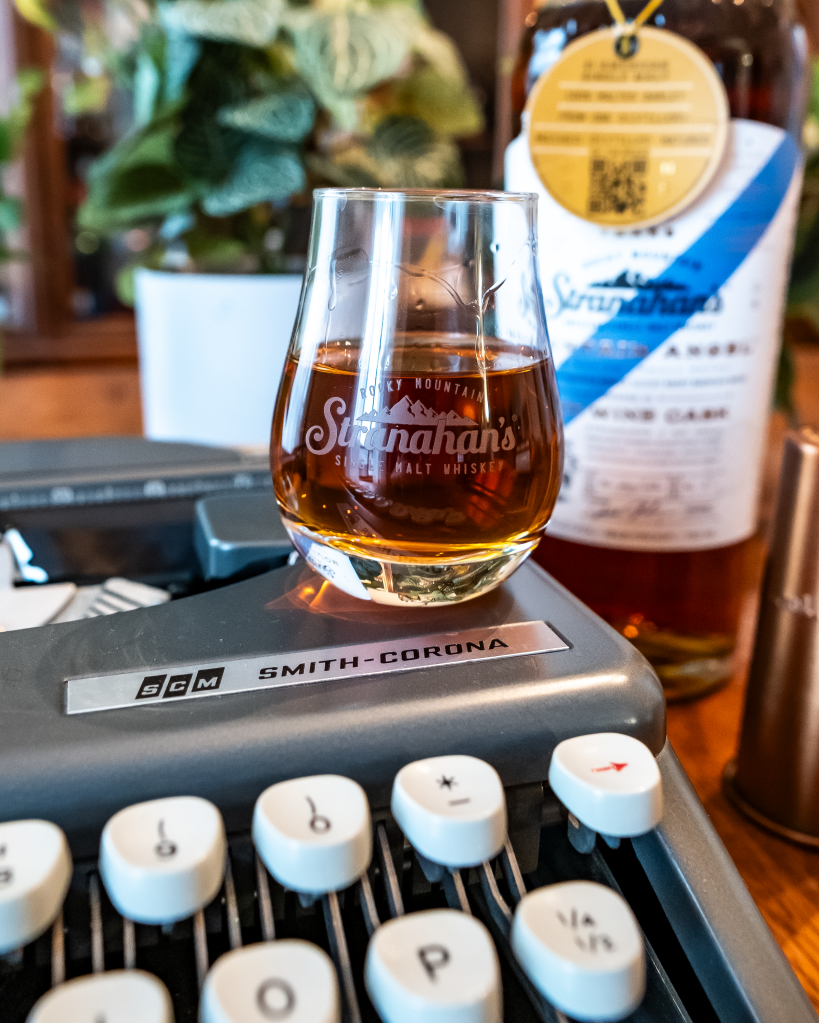
    1961 Smith-Corona Skyriter (purchased online from a Colorado Goodwill!)

    Read More from the Seven Days of American Single Malt Whiskey 2026

    Day One: McCarthy’s Oregon Single Malt Whiskey

    Day Two: New Riff Sour Mash Single Malt

    Day Four: Redwood Empire Foggy Burl Single Malt Whiskey


    A Note of Gratitude

    This bottle of Stranahan’s American Single Malt Whiskey was sent to me by the folks at the distillery, who I did not tell about our rocky start. Thank you to the team for letting me taste and share their wonderful whiskey!

  • Seven Days of ASMW 2026 // New Riff Sour Mash Single Malt

    Seven Days of ASMW 2026 // New Riff Sour Mash Single Malt

    When you think of Kentucky whiskey, you probably think of bourbon. It’s a natural instinct, with approximately 95% of all bourbon produced within the borders of the Commonwealth.

    Despite what many bourbon drinkers might believe, however, distillation in Kentucky isn’t limited to corn. At last count, there were 100 licensed distilleries in Kentucky, operating across 42 counties. While bourbon may be the primary output of the Commonwealth’s stills, they also flow with whiskeys made from rye, wheat, and, increasingly, malted barley.

    When bourbon distillers venture into malted barley as more than a supporting player in a mash bill, results can be mixed. Traditionally, the two styles are quite different. Bourbon is often (though not exclusively) distilled in a column still. Single malts typically (though not always) rely on pot stills. Bourbon’s required use of new barrels brings a familiar punch of vanilla and caramel flavors to every glass, while the used barrels common to single malt whiskies tend to highlight the grain itself, creating a more cereal-forward profile that requires a different palate to perfect.

    Deep tradition and expertise stand on both sides of the aisle.

    But New Riff Distilling? They’re not beholden to any of it.

    My introduction to New Riff—beyond a few small sips—came at the 2025 James M. Beam Institute Conference. Molly Lewis, New Riff’s president and daughter of founder Ken Lewis, gave a presentation that focused not on mash bills or still design or even visitor experiences, but on service. Explaining that the relatively new distillery had settled into a tight-knit community in Northern Kentucky, she described how they became part of the neighborhood, not just in it, by immersing themselves into the good of the community.

    What struck me most about Lewis’ talk was the quiet consistency of her family’s values. Molly, her father Ken, and the entire distillery team weren’t doing something different for the sake of novelty. They were doing things differently because they could, and because that was how they believed in leading. As they say, they’re a “new riff” on an old tradition, changing the distillation game—and culture—through authenticity and heart.

    That stuck with me over the months that followed. It also helped that they’re making good whiskey, so when I learned that New Riff was producing a single malt, I knew I wanted to try it.

    Tasting New Riff Kentucky Single Malt Whiskey (2025)

    There are a few things that immediately stand out about this bottle of New Riff Sour Mash Single Malt Whiskey.

    The first, and most obvious, is the use of the words sour mash. While sour mash is a common practice in bourbon and rye whiskeys, I can’t say that I’ve previously encountered a sour mash single malt—or, at least, not one that highlighted the fact.

    For those unfamiliar with the term, sour mash introduces a portion of the spent mash (or fermented grain mixture) from a previous batch of distiller’s beer back into a new batch. It’s believed to promote consistency and help jump-start the fermentation process. While its precise origins are unclear (as is true of many whiskey traditions), its earliest documentation is credited to Catherine Carpenter, a badass woman running a Kentucky farm and distillery while raising 12 children in the early 19th century.

    Sweet mash and sour mash are not terms that typically appear in the single malt world. Sour mash is a uniquely American distillation practice. For distillers taking their cues from Scotland or Ireland, it simply wouldn’t be part of the conversation.

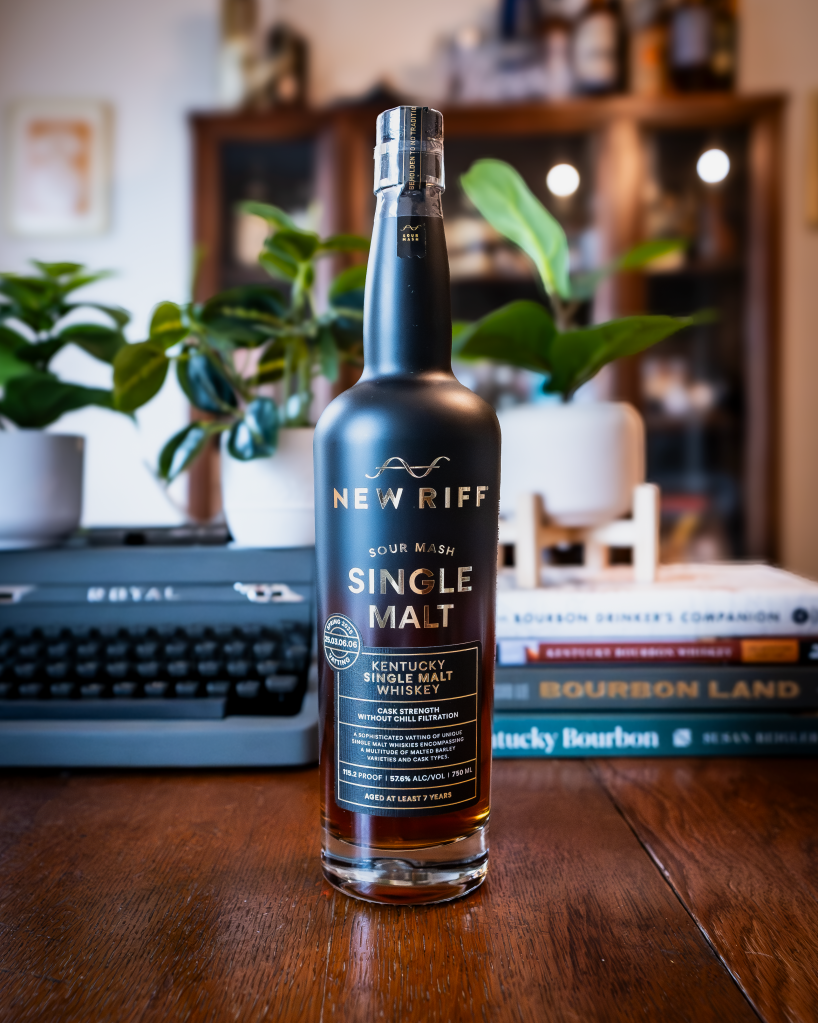
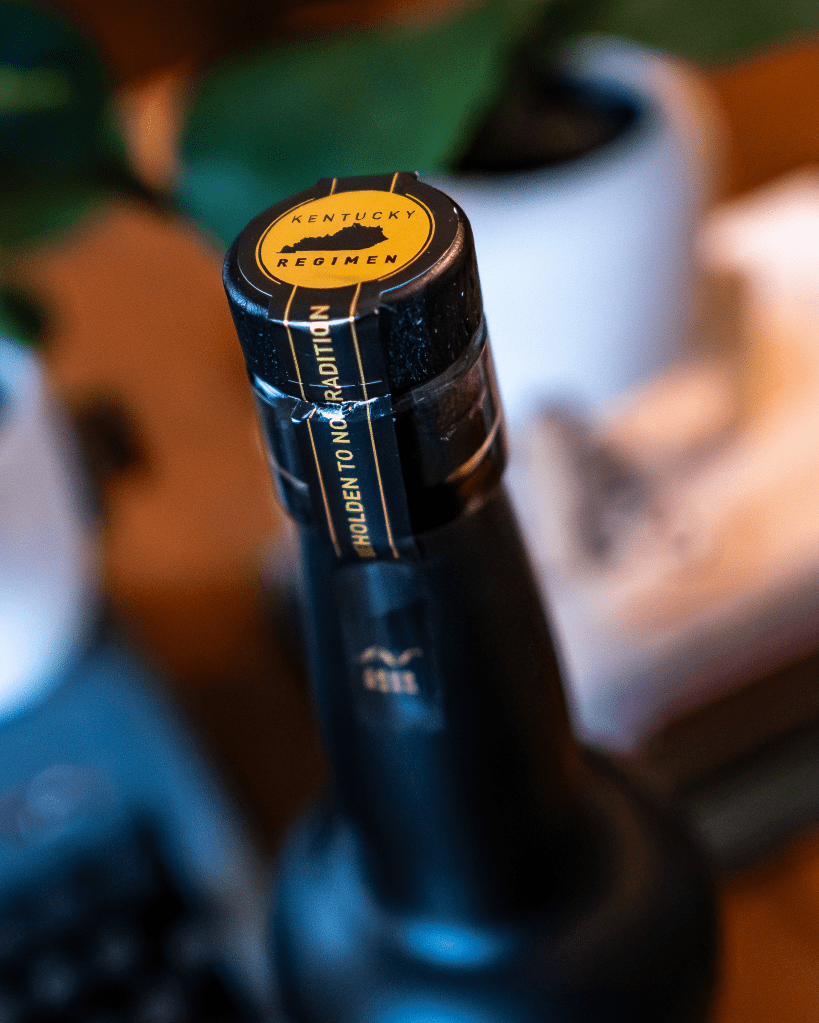
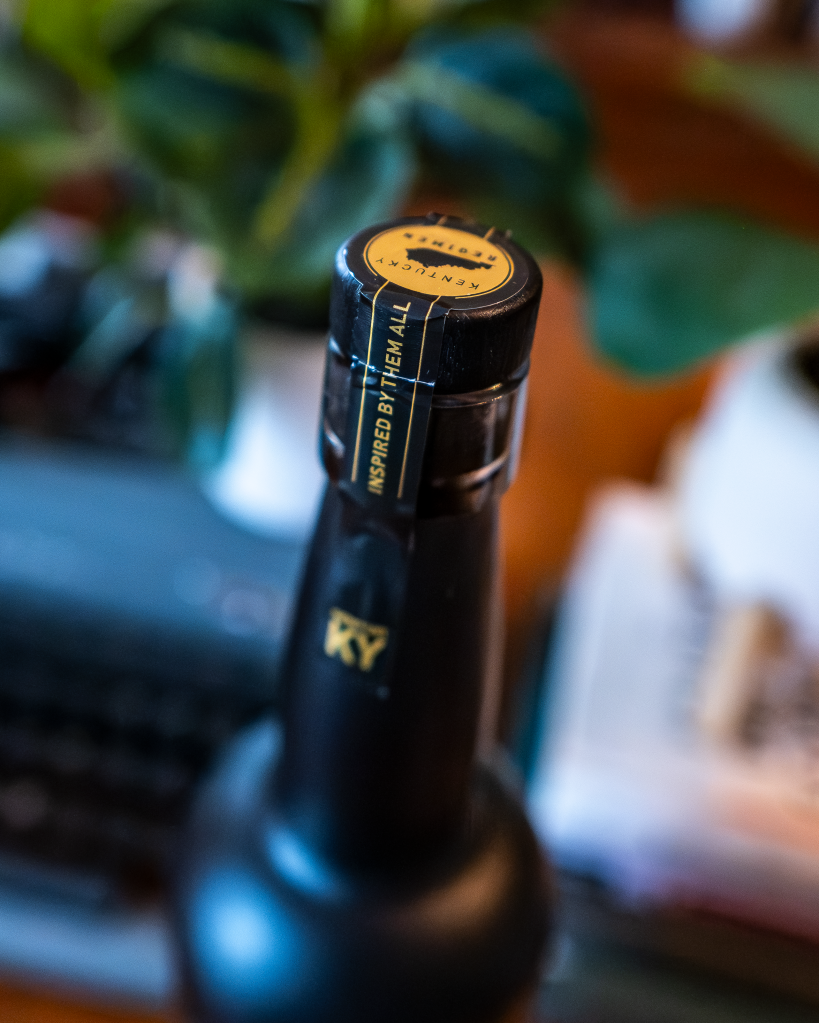
    But while New Riff Distilling is “beholden to no tradition,” they are “inspired by them all.”

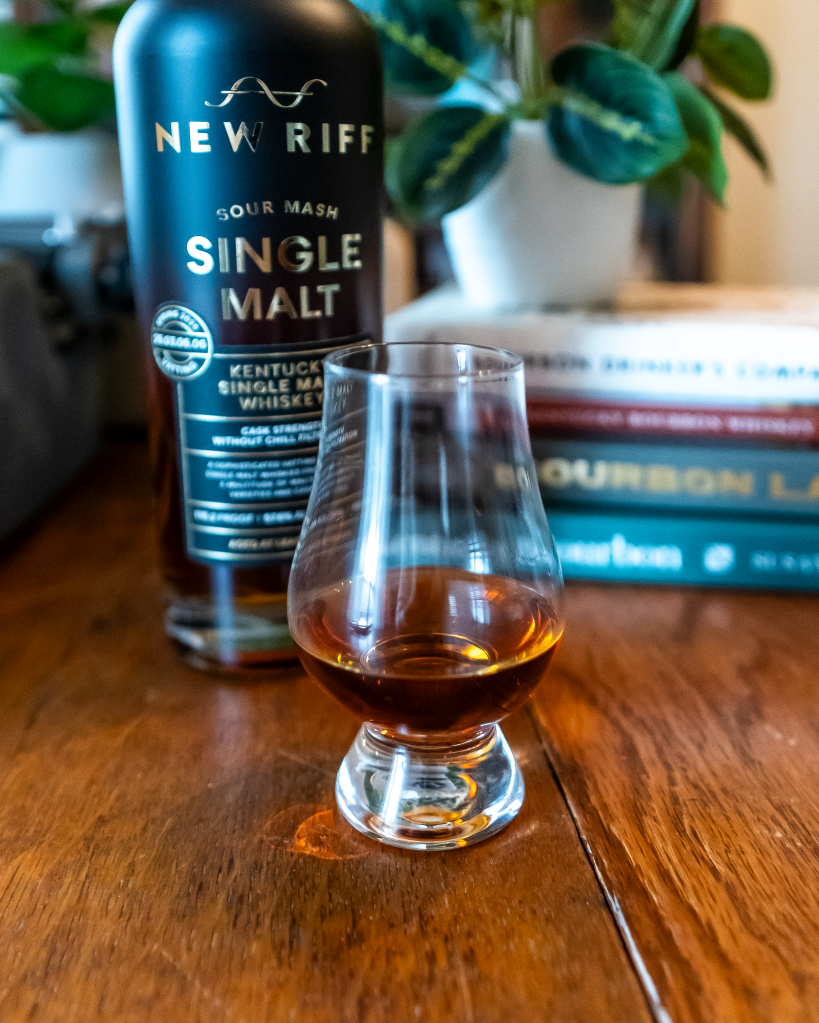
    Moving down the label, we find a description of the whiskey: “a sophisticated vatting of unique single malt whiskies encompassing a multitude of malted barley varieties and cask types.”

    When the New Riff team sent me the bottle, they provided additional detail on a printed spec sheet. Single malt means that a whiskey is made exclusively with malted barley at a single distillery, but it doesn’t restrict the types of malt that can be used. For New Riff’s 2025 Single Malt, the blend includes a 1960s English ale malt (Maris Otter), a barley-wine style barley malt, and, making up less than 20% of the total, a peated Scottish malt.

    The original whiskeys produced from these malts were aged in six different casks. Those spirits were then blended together, vatted and married in a used oak barrel for a length of time only described as “extended.” The youngest whiskey is seven years old and the oldest ten, indicating that this whiskey has been in development for nearly all of New Riff’s distilling history.

    It was bottled without dilution at 115.2 proof—not quite hazmat by bourbon standards, but impressively high for a single malt.

    Popping open the cork, I immediately got a whiff of dark fruit, dense grains, and chocolate, with soft citrus around the edges. There’s a hint of leather and a touch of sea salt, especially when I poured a couple of drops between my hands.

    On the palate, this is a big whiskey.

    A big whiskey. It’s expansive and bold, rich and layered, with robust flavors that mirror the nose while adding pepper and oak. Swirling it in a glass, the legs are minimal, but don’t let the lack of viscosity fool you. This is a powerful spirit.

    So powerful, in fact, that I reached for my water dropper. The combination of big flavors and a big ABV read a little harsh on the tongue, each flavor fighting for prominence. A few light drops of water opened it up nicely, drawing out a more harmonious malt character—still thick and grassy, but woven with leather and that citrusy chocolate and a subtle hint of char.

    The official tasting notes describe the finish as raspberry, tangerine rind, and bergamot orange. It’s a stunning description I could never have articulated myself, but I can say that it radiates throughout the mouth, lingering on the sides of the tongue before settling into a rich haze.

    For bourbon drinkers skeptical of single malt whiskey, the New Riff Sour Mash Single Malt could offer an ideal entry point. It’s made by a trusted distillery, and the bold, oak-driven structure will feel familiar to pursuers of big flavor. By the finish, however, the malt character shines, clearly marking the whiskey as something different.

    Above all, this whiskey is a prime example of New Riff’s commitment to blazing a new path in traditional whiskey. It feels unmistakably Kentucky and unmistakably something else at the same time, honoring each tradition without being confined by them.

    This whiskey doesn’t ask permission; it exists in a category of its own, representing both Kentucky and single malt whiskeys in their own right. Love it or hate it, this is a distillery doing things their own way—and the thing is, it’s working.

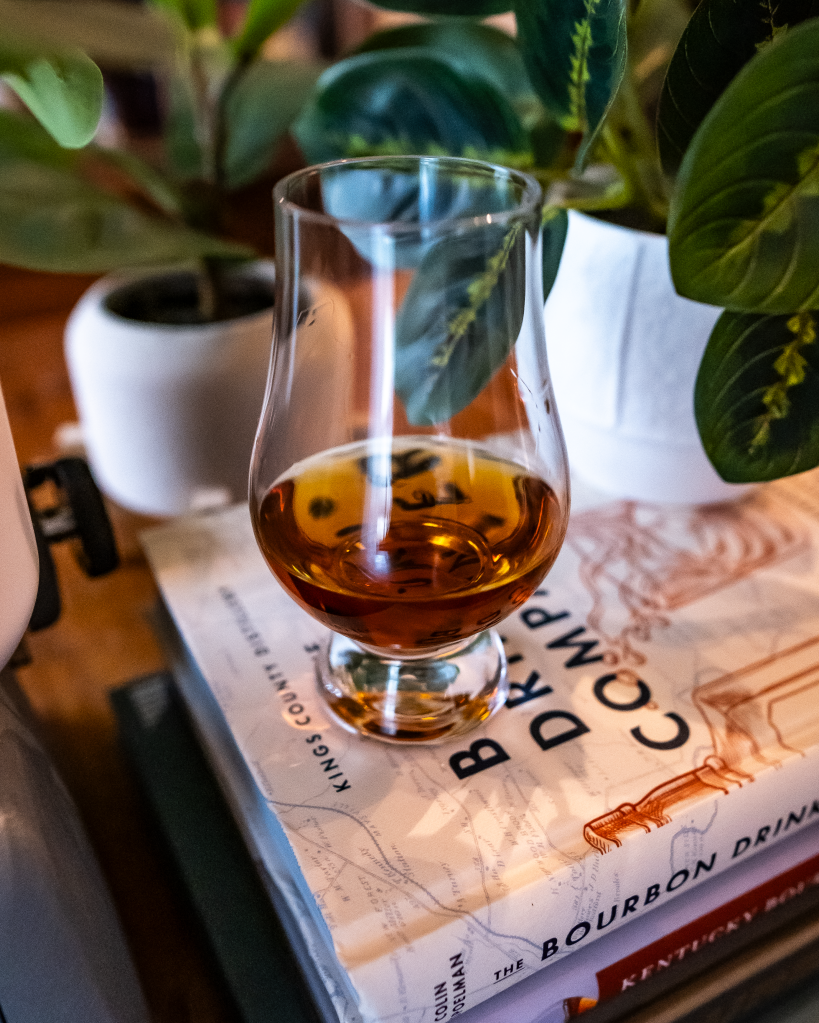
    Sláinte, y’all.


    In My Glass

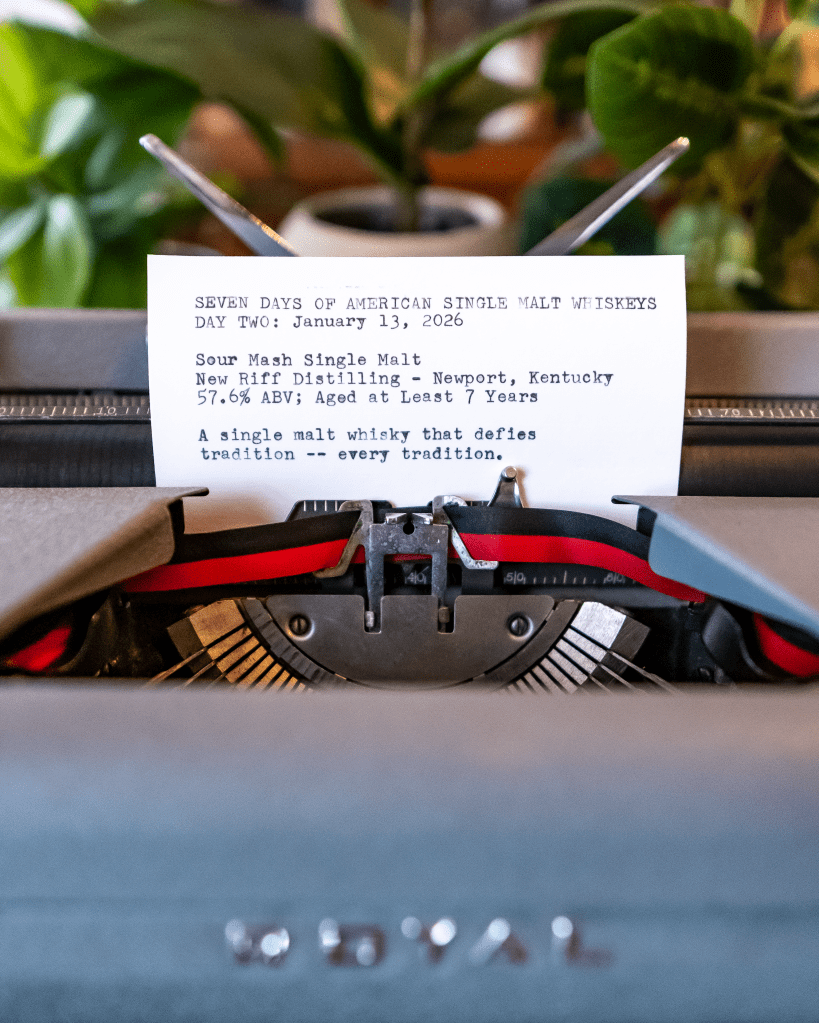
    New Riff Sour Mash Single Malt Whiskey (2025)

    New Riff Distilling – Newport, Kentucky

    57.6% ABV; Aged At Least 7 Years

    On My Desk

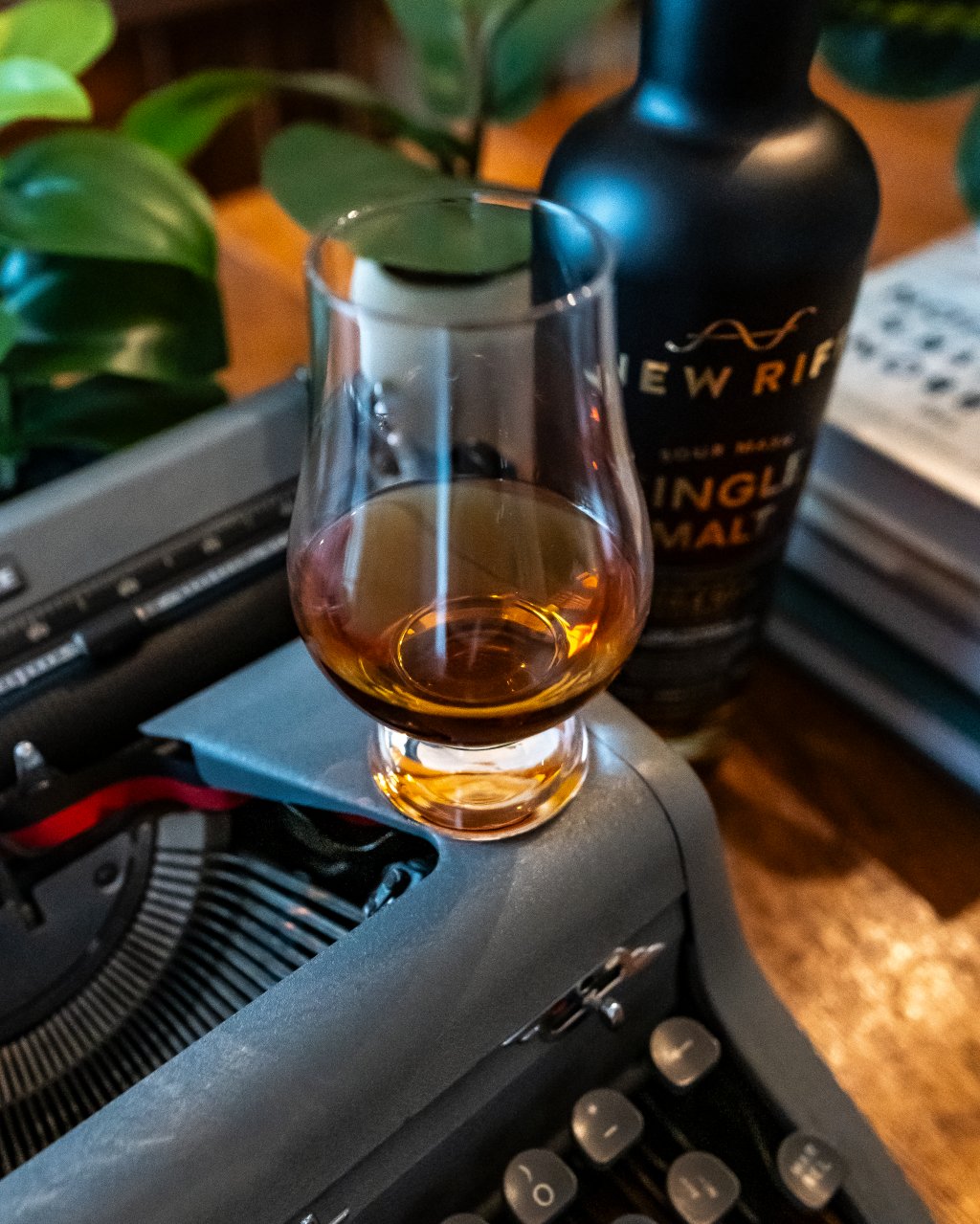
    Royal Quiet De Luxe Typewriter

    Read More from the Seven Days of American Single Malt Whiskey 2026

    Day One: McCarthy’s Oregon Single Malt Whiskey

    Day Three: Stranahan’s Mountain Angel 12 Year

    Day Four: Redwood Empire Foggy Burl Single Malt Whiskey


    A Note of Gratitude

    This bottle of 2025 Kentucky Single Malt Whiskey was sent to me by the folks at New Riff Distilling. Thank you to the team for letting me sip and share their unique whiskey!

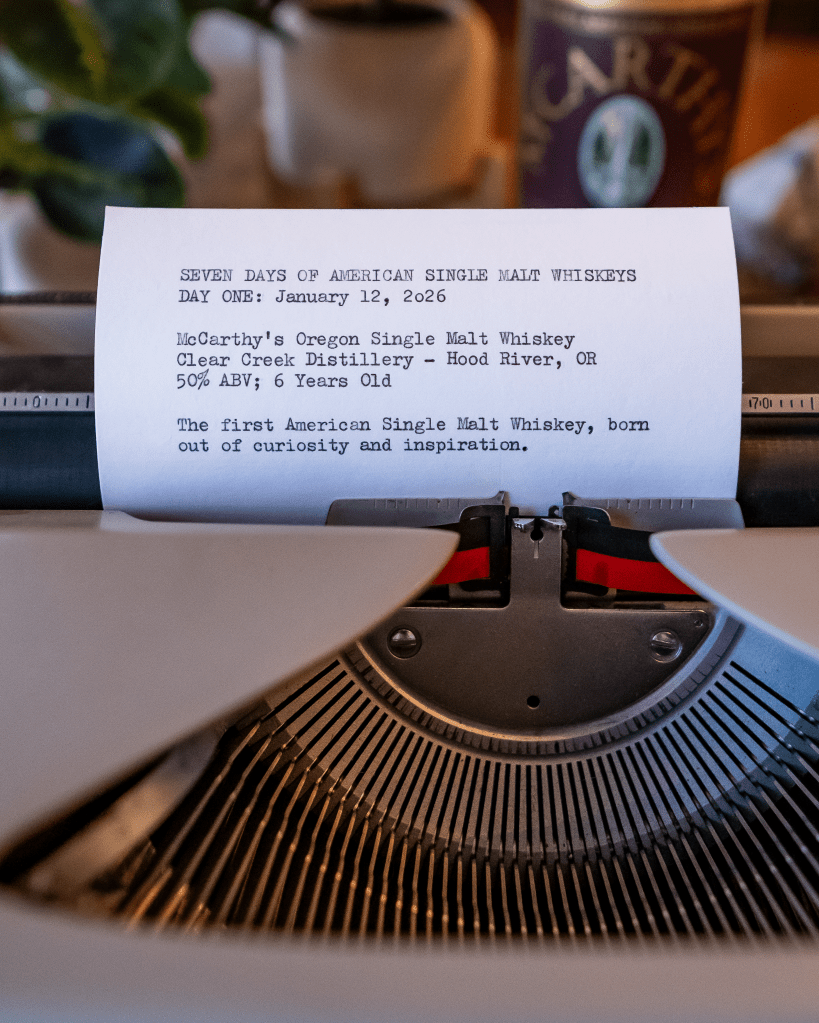
  • Seven Days of ASMW 2026 // McCarthy’s Oregon Single Malt Whiskey

    Seven Days of ASMW 2026 // McCarthy’s Oregon Single Malt Whiskey

    Every story has a beginning, a time and place in which it finds its roots. 

    For American Single Malt Whiskey, that beginning can be found in Oregon. It was 1994, and the late Steve McCarthy, a lawyer-turned-businessman-turned-distiller, had begun producing brandy made from local fruit nearly 10 years before.

    According to legend (and a lovely, worth-the-read feature in Wine Enthusiast), McCarthy’s venture into the spirits world started in Europe in the early 1980s. Traveling back and forth between continents on business, he grew an affinity for the brandies produced there, and decided to replicate their production back home in the Pacific Northwest. McCarthy established Clear Creek Distillery in 1985 in Hood River, Oregon, about an hour outside of Portland.

    In the 90s, he turned his attention to barley, and to what would become the first American Single Malt Whiskey.

    On a trip to Ireland, McCarthy spent a long evening with a friend and several bottles of Scotch whisky. Diving into the flavors of the spirit, McCarthy was inspired again, just as he had been with the brandies of Europe. Returning home to Oregon, he set to work mashing and distilling malted barley in brandy stills, filling his first barrel with new make malt spirit in 1994. 

    The spirit that emerged two years later was named McCarthy’s Oregon Single Malt Whiskey. It was the first American single malt whiskey on record.

    The rest, as they say, is history.

    “He didn’t understand he was launching a category,” former Master Distiller Joe O’Sullivan told Wine Enthusiast back in 2023. “At that time, he was just making a whiskey he liked and hoped other people would appreciate it. He wasn’t trying to disrupt the category. He just had a passion about it.”

    American Single Malt Whiskey is a category often heralded for its diversity and innovation. It makes sense, then, that it was founded through curiosity and appreciation rather than ego.

    Today, McCarthy’s is owned by Hood River Distillers, who bought it from McCarthy in 2014. Operating within the Hood River family, Clear Creek distilling continues to produce Oregon brandies, fermented and distilled from the fruits of the Pacific Northwest.

    Using “old-world” techniques and local produce (per the distillery’s website), Clear Creek remains distinctively craft, producing every spirit in small batches.

    And I do mean small.

    Caitlin Bartlemay, who now oversees the production of Oregon Single Malt Whiskey and other products, explains that all of Clear Creek’s spirits are made on a 60-gallon Arnold Holstein hybrid pot still. Designed in Germany for the making of brandy, the stills are made of 100% copper. That composition, along with their size, allows Clear Creek to remove all of the unpleasant sulfur compounds that naturally occur in their distillate.

    For the single malt whiskey, Bartlemay says, this results in “a bold and rich spirit that is balanced by both the grain characteristics and the peat smoke.”

    Clear Creek’s hybrid system is especially unique in how it impacts the number of distillations needed to produce a spirit: “We are able to get the proof and style of spirit we like in a single pass instead of a double pass, so the spirit stays heavy and flavorful.”

    Now Master Distiller at Clear Creek Distilling, Bartlemay originally joined the team in 2010 as a logistics coordinator under the tutelage of Steve McCarthy himself.

    She says that the biggest change in the brand over the last 30 years is its range: “We have added a six year expression and two sherry cask finishes of that six year.” A partnership with Lost Lantern also resulted in a 10 year old Oregon Single Malt Whiskey.

    Being the first American single malt whiskey isn’t something that Bartlemay takes lightly, either: “We are honored to be stewards of such a historic brand and look forward to watching it continue to grow with the category.”

    Tasting McCarthy’s 6 Year Old Oregon Single Malt Whiskey

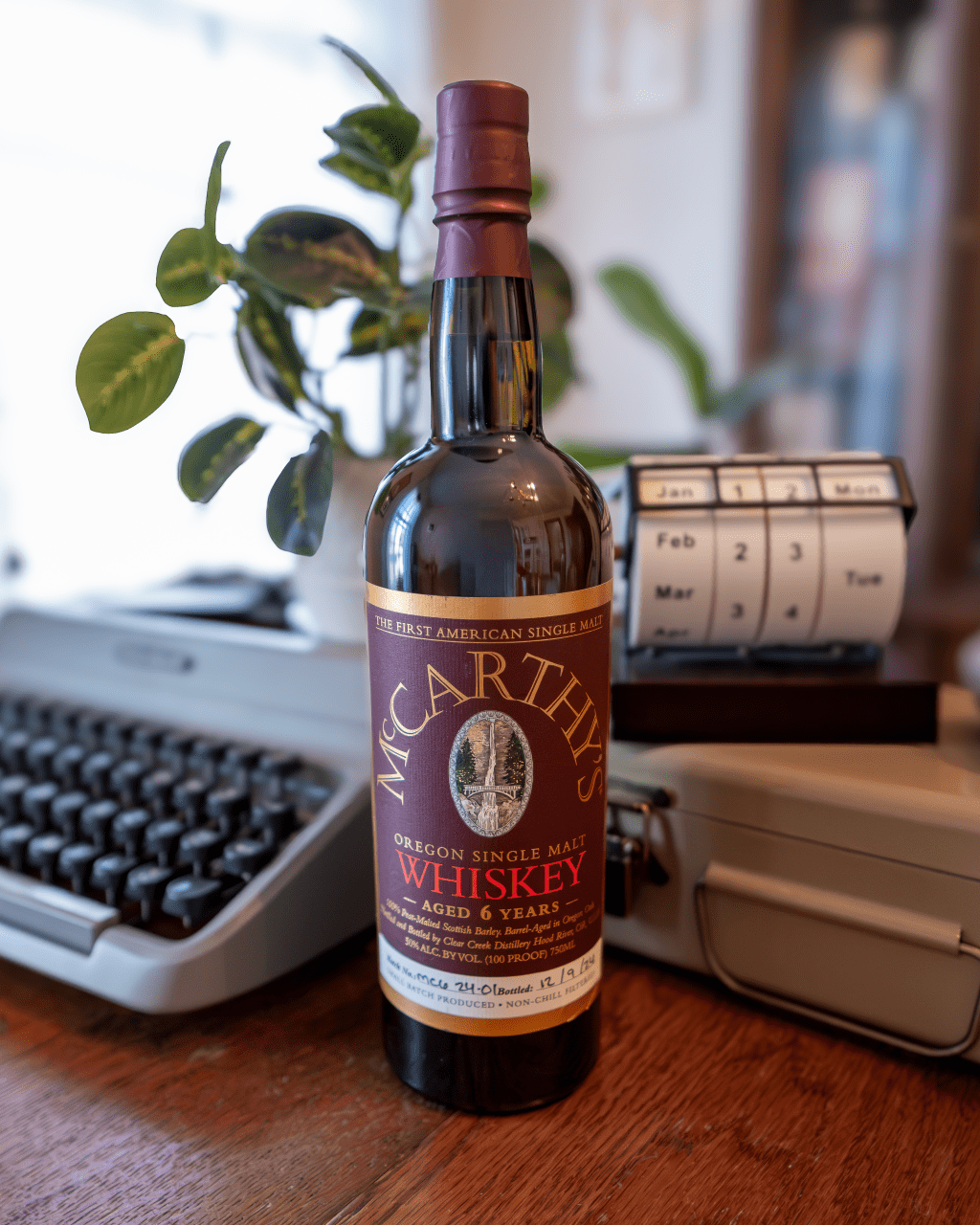
    McCarthy’s is bottled in dark brown glass, so I wasn’t sure what to expect of the spirit, beyond the words printed on the label. I have to admit that I like the mystery; whiskey is too often judged by its color, with darker spirits earning higher marks before a taste can prove them otherwise.

    Popping the cork, I immediately caught a whiff of that unmistakable smell: peat. McCarthy’s uses peat-malted Scottish barley in all of their single malt whiskeys. But anyone who knows peat knows that not all peat is created equal.

    Steve McCarthy’s original whiskey inspiration and guidepost is said to have been Lagavulin 16. While Lagavulin products are certainly peated, they tend toward a more restrained, elevated expression of peat smoke than than their Islay neighbors Ardbeg and Laphroaig.

    As someone familiar with that particular whisky, I can appreciate the comparison. Yes, there is a hint of the classic peat brine on the nose (which some might describe as “bandaids”), but the peat in this bottle is not a punch, but a lure. It’s salt air and even saltier bacon, the scent of the sea but also of adventure and curiosity.

    (This is where I mention, for those unfamiliar with my work and my palate, that I happily drink some of the peatiest whiskies around. If you do not, take my notes with a grain of salt—pun intended.)

    Bartlemay tells me that the spirit is aged in a mix of virgin and non-virgin Oregon oak barrels. There’s no particular recipe for how many of each get bottled together; every batch is blended to taste, keeping the final product consistent even when the process varies.

    In a glass, the whiskey is golden and bright. I didn’t entirely know what to expect from the dark label and even darker bottle, but it managed to surprise me anyway. A quick swirl left thin peaks around the glass, eventually moving into thin, slow legs that dripped back toward the body of the spirit.

    Then, the first sip.

    This whiskey elicited a surprised “ooh.” Fruit is not a flavor that I typically associate with peated spirits, especially those that haven’t spent time in a sherry barrel. Peated whiskies are more often heavy and thick, with a certain meatiness to their flavors. But this one has fruit, just as rich and thick as a steak but remarkably brighter at the same time. It’s stewed apples and pastry and maybe pears, if I’d tasted a pear recently enough to be sure of the comparison.

    A deep smokiness dances with the fruits, almost like a cobbler cooked over a fire (is that a thing??). The final flourish of smoke comes around at the end, more full and sweet than the typical peat finish, lingering on the tongue with a tingle.

    When I poured a couple of drops into my hand, the flavors transformed into a smell of earth and sea, evoking a sense of rich wet ground after the rain. Then, as it settled, into wet socks. I know, that’s not a good smell, but it actually isn’t as bad as it sounds, or even bad at all. I can’t really explain why; it’s not repulsive in any way, but grounding and cozy.

    Besides, I only found that particular note between my palms. It’s easily avoidable if you’re not particularly interested in exploring that element of the experience.

    At 100 proof, the ABV is substantial enough to be present, but not overpowering. In fact, I don’t get a big punch of ethanol on this spirit. The barley flavors stand in good balance to the booze, their maturity belying their relatively young age statement at just six years.

    Quite frankly, as a peat enthusiast, this could easily become a daily drinker. It would be lovely with a medium-bodied cigar, and it’s even a whiskey I’d pour for a non-peat drinker. That fascinating dance of flavors offers just enough peat to tempt the curious, without overwhelming them in smoke.

    (I’ve also been known to goad a non-peater into drinking violently peated whiskies, but this one I’d do for a wholly different intention.)

    McCarthy’s Oregon Single Malt Whiskey doesn’t just represent just the beginning of American Single Malt Whiskey. Instead, it’s a reminder of how the category was born, and the passion that now defines the category as a whole.

    In Hood River, Oregon, American Single Malt Whiskey not only created a category, but a culture of curiosity, patience, and the simple desire to make a whiskey worth drinking.

    Sláinte, y’all.


    In My Glass

    McCarthy’s Oregon Single Malt Whiskey

    Clear Creek Distilling – Hood River, Oregon

    50% ABV; 6 Years Old

    On My Desk

    Facit TP1 Typewriter

    Read More from the Seven Days of American Single Malt Whiskey 2026

    Day Two: New Riff Sour Mash Single Malt

    Day Three: Stranahan’s Mountain Angel 12 Year

    Day Four: Redwood Empire Foggy Burl Single Malt Whiskey


    A Note of Gratitude

    This bottle of McCarthy’s Oregon Single Malt Whiskey was sent to me by Caitlin Bartlemay, master distiller for Clear Creek Distilling. Thank you to Caitlin and to the team for letting me sip and share their fantastic whiskey!

  • Art & Whisky // Maker’s Mark Distillery in Loretto, Kentucky

    Art & Whisky // Maker’s Mark Distillery in Loretto, Kentucky

    It’s no question that there is an art to whisky, but nowhere is that idea more prominent than at Maker’s Mark Distillery in Loretto, Kentucky. Nestled in the gentle hills of Marion County—a little more than an hour from both Louisville and Lexington—Maker’s Mark blends craftsmanship, tradition, and design into one of the most beautiful bourbon experiences in the Commonwealth.

    Established in 1953 by Bill and Margie Samuels, Maker’s Mark is best known for its wheated bourbon recipe and the iconic red wax that seals every bottle.

    Both of these defining features were inspired by Mrs. Samuels, whose distaste for the bourbons of the day led her husband to create a softer, more palatable mash bill, using red winter wheat to balance the necessary corn. Her influence didn’t stop there; the standard Maker’s Mark bottle shape, label design, and hand-dipped wax were all her ideas, now permanently woven into the brand’s identity.

    To this day, every bottle is dipped by hand on site, the liquid wax dripping down the neck of the bottles as they shuttle down the assembly line.

    Seeing the brand’s bottles dipped in person is not for the faint of heart. But for the brave souls who make the trek down narrow winding roads toward the rural distillery, they are rewarded with a stunning pastoral scene and, for a few months this fall, the art of world renowned glass artist, Dale Chihuly.

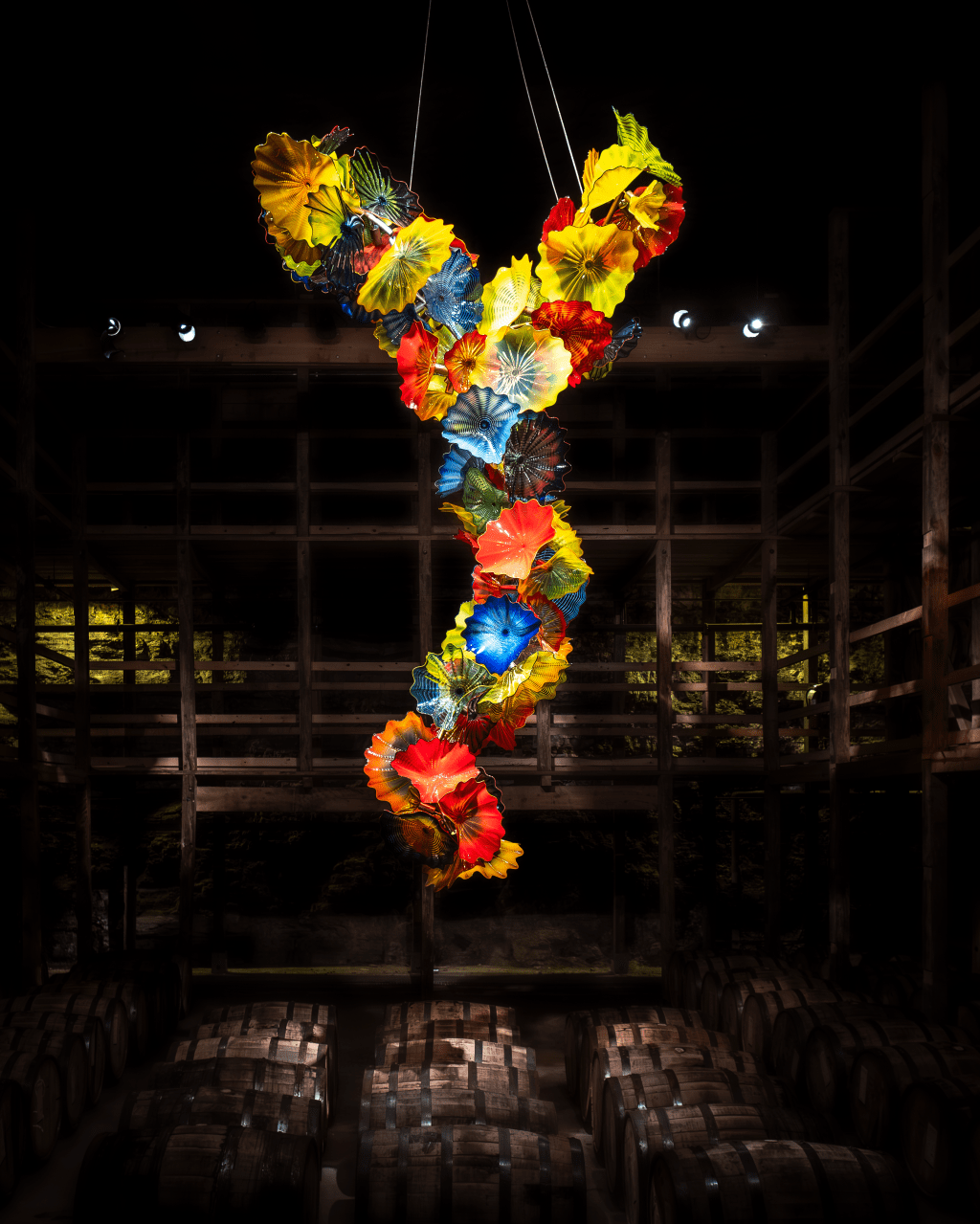
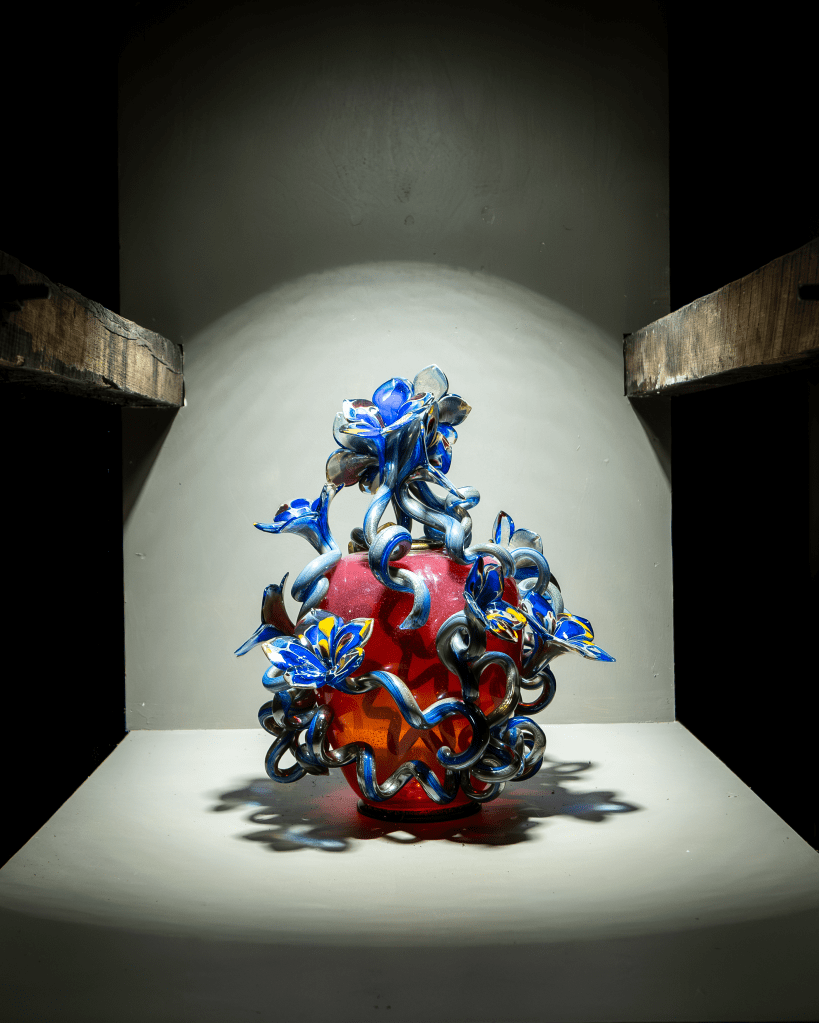
    Orange Hornet Chandelier (2025)

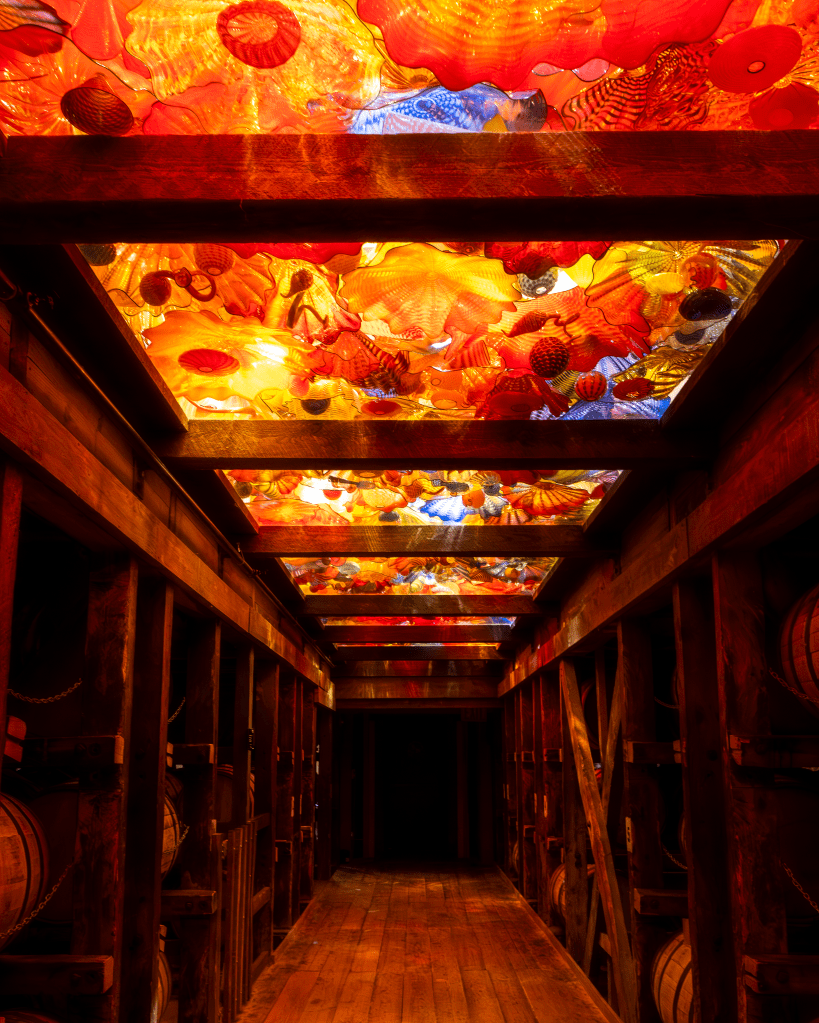
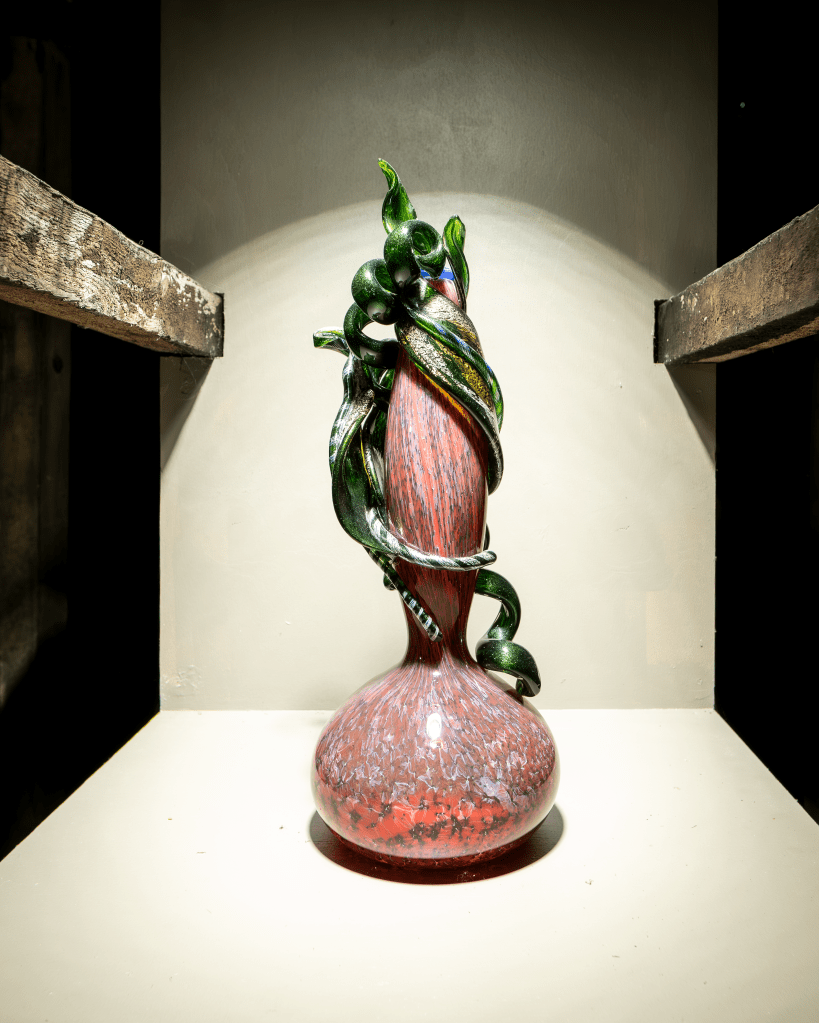
    Chihuly’s relationship with Maker’s Mark has spanned more than a decade; 2025’s installation marked a return to the Loretto campus, and a permanent installation of his work, titled The Spirit of the Maker, casts a warm glow over a collection of barrels held in a narrow space alongside the gift shop.

    The 2025 exhibit drew new attention to this permanent artwork while incorporating other sculptures, including some new pieces inspired by the distillery.

    The Spirit of the Maker (2013)

    The Maker’s Mark Tour

    While Chihuly’s art is what drew me out to the distillery on Friday, December 5, I wasn’t going to miss the chance for a tour. I chose the Maker’s Mark Tour, the distillery’s most popular option, to learn about the brand’s history.

    Guided by a friendly and charismatic gentleman named Chad, our group of 15 or so explored the distillery’s historic still house (predating the Maker’s Mark brand at least half a century), warehouses, and label production, along with the bottling line where every bottle of Maker’s Mark Whisky receives its famous wax. The tour ends with a tasting of four Maker’s Mark whiskies and the opportunity to purchase and dip your own bottle in the gift shop.

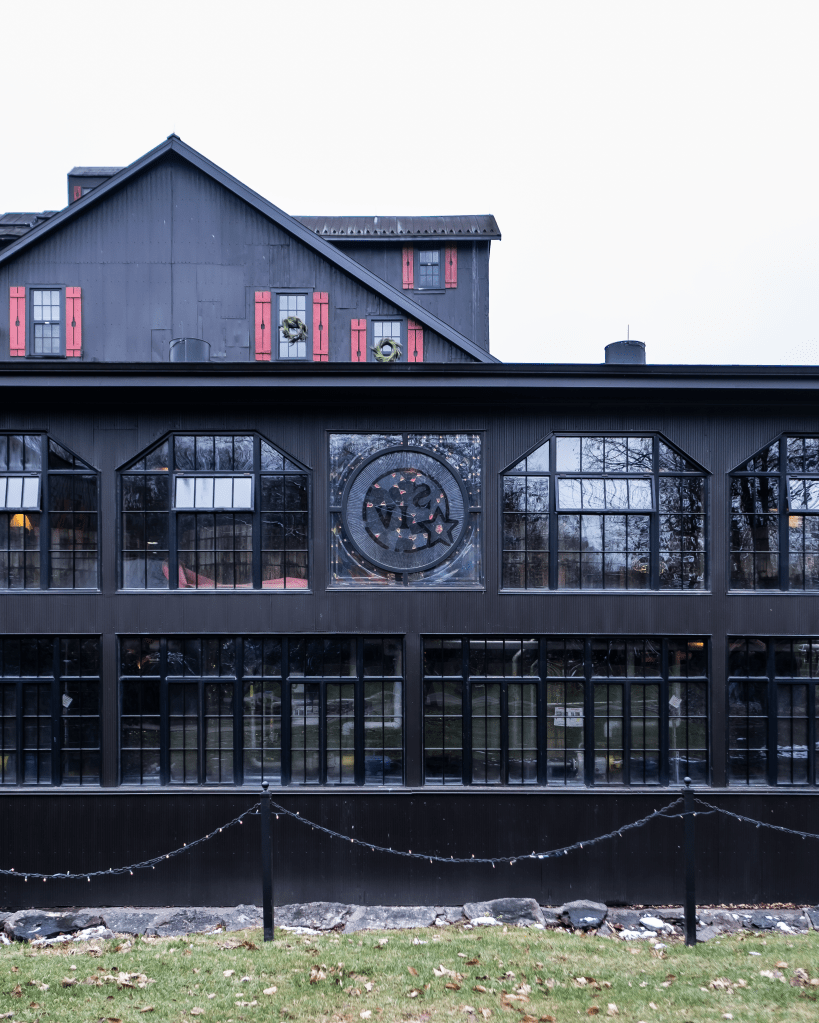
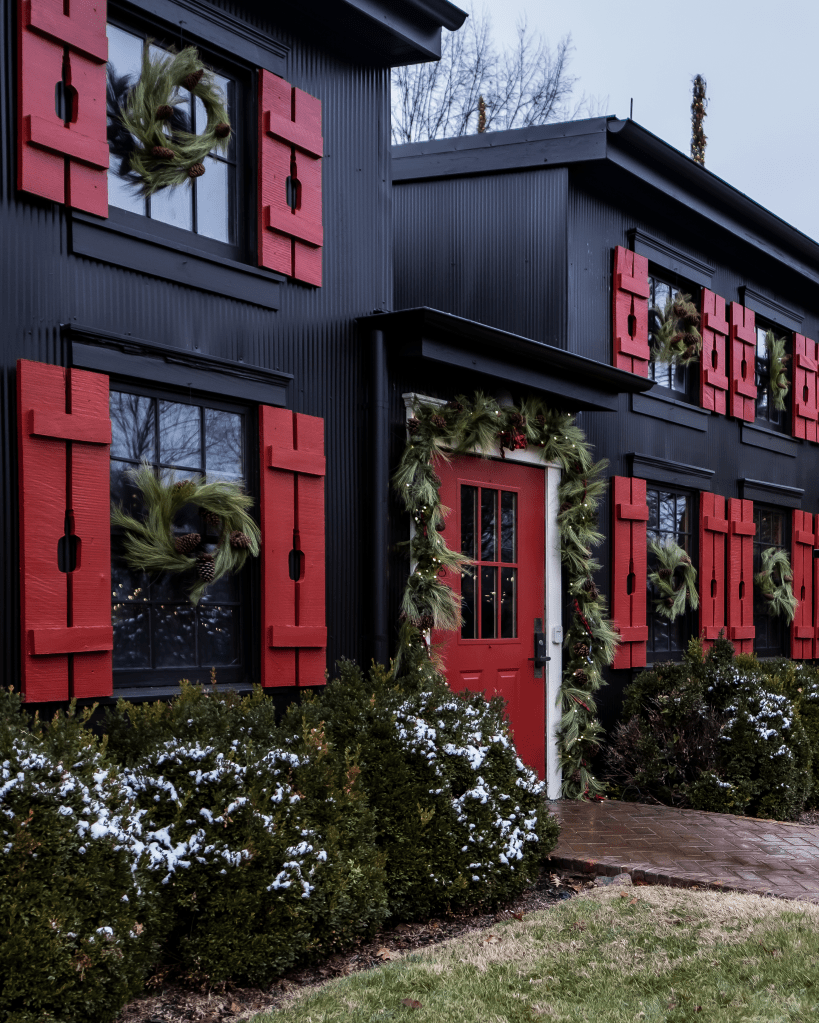
    Along the way, we learned of the Samuels’ family’s whisky legacy, which stretches all the way back to Scotland and inspired the brand’s use of the e-exclusive “whisky” on their products. Winding through the black-walled buildings, Chad explained how Mr. Samuels pivoted from a successful career in Louisville to purchase the already-established farm and distillery in rural Loretto. The still-in-use still house is the oldest in the country and home to a column still standing 5 stories tall.

    Legend has it that the Samuels family decided on the brand’s singular whisky recipe by baking a variety of proposed mash bills into loaves of bread. The best tasting loaf won out, with a mix of 70% corn, 16% soft red winter wheat, and 14% malted barley. Maker’s Mark 46 came about from a similar burst of experimentation, with 45 unsuccessful attempts to incorporate French oak staves into the maturation process before landing on the winner.

    Distillation and its corresponding branding efforts have historically been led by men, but Mrs. Samuels was no silent partner in the creation of Maker’s Mark Whisky. Her contributions to the spirit’s recipe and design are properly appreciated at Maker’s Mark. Not only did Mrs. Samuels choose the shape of the bottles and introduce the red wax, but she designed the mark of Maker’s Mark and hand-wrote the original labels, which are still finished on an antique die cut press operated on site.

    Exploring Star Hill Farm

    The moment the tour concluded (following a walk through the aforementioned glowing whisky hallway), I jetted off to the nearest Walmart in nearby Lebanon, KY to pick up an SD card. Despite a veritable stack of cards at home, I had set out for adventure with an empty camera. There was no way I was returning to Lexington without some proper photos.

    Once back on site, I paused for a quick lunch (a delicious salmon sandwich) at Star Hill Provisions, the farm-to-table restaurant nestled within the distillery grounds. Then I took my now-equipped camera and began to wander around.

    “Where can I not go?” I had asked Chad upon my return. In response, he handed me a map with two buildings clearly marked “not open to the public.” Beyond that, the world—or, more accurately, the farm—was my oyster.

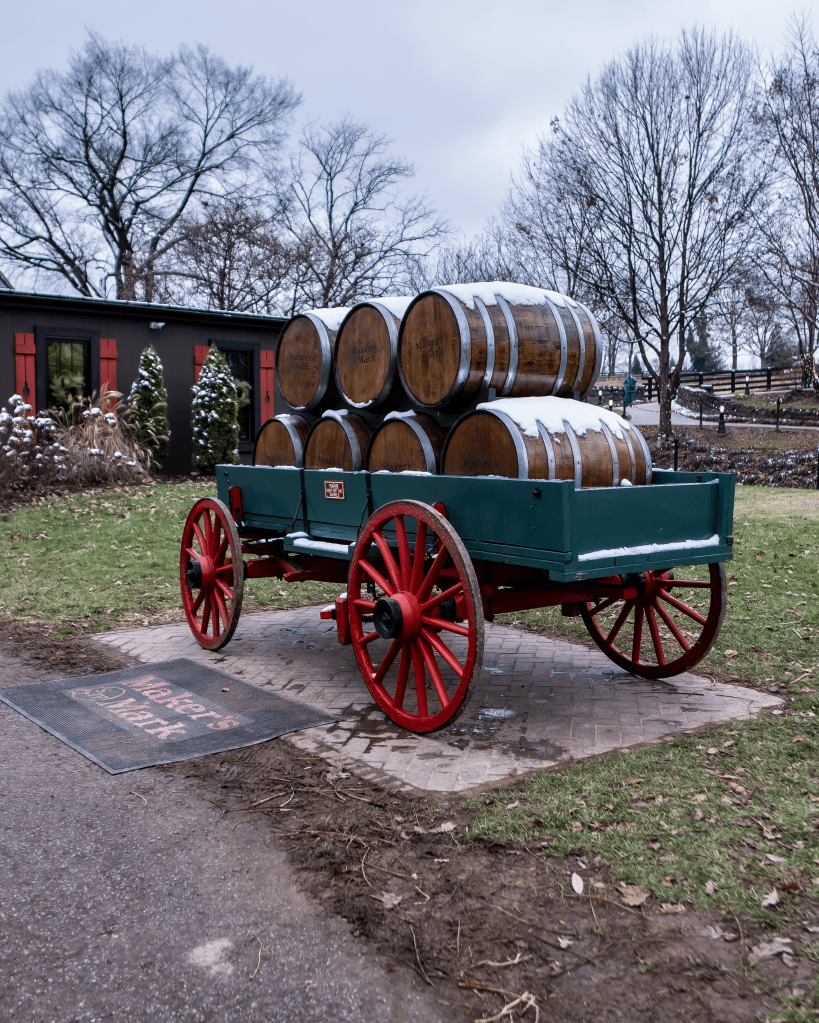
    With much of the campus open to guests, I spent the afternoon photographing the Chihuly installations and weaving through historic buildings that make Maker’s Mark feel more like a preserved village than a modern production site.

    A couple of passing Maker’s Mark staffers quickly clocked my camera and stopped to point out the best vistas. One even offered to take a photo of me, which I politely declined—I much prefer my place behind the viewfinder—but these interactions positioned Maker’s Mark as one of the nicest distilleries I’ve visited, both at home and abroad.

    Dale Chihuly is not only known for his art, but for the way he integrates the glass shapes into the surrounding environment. The first time I experienced Chihuly’s art was at the Clinton Library in Little Rock, Arkansas. The second time was at Frank Lloyd Wright’s Arizona home, Taliesin West.

    At Maker’s Mark Distillery, the outdoor sculptures emerged from the grounds in sharp contrast to the grass, earth, and snow below. Scattered throughout the campus, they seemed as natural as the buildings, positioned like flowers bursting through the cold soil in spring.

    Sapphire and Platinum Waterdrop Tower (2017)
    Sol Del Citrón (2014)
    Moonbow Fiori (2025)

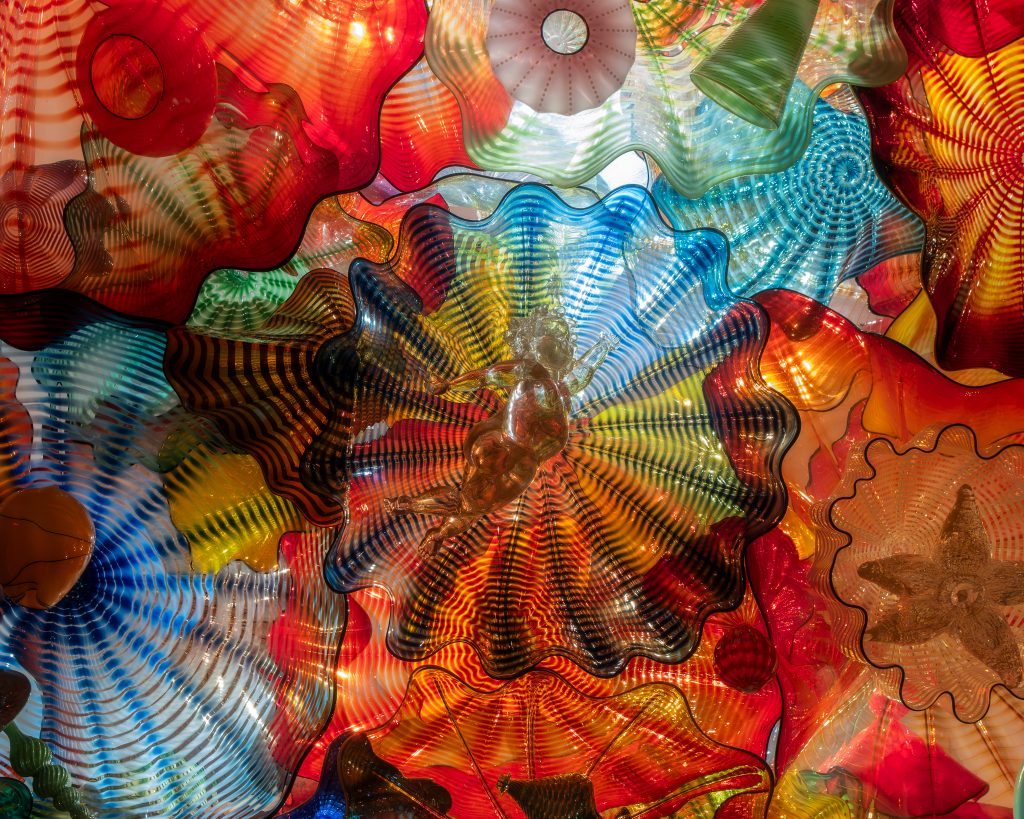
    In the cellar, colorful fan-shaped glass explodes from the ceiling over the oak barrels below. Utilizing extra pieces from the gift shop’s ceiling installation, the beauty of the End of the Day Persian Chandelier simply can’t be captured in photographs.

    But lord, did I try.

    End of the Day Persian Chandelier (2015)

    Nearby in the warehouse, a collection of Venetians—elaborate glass vases—were tucked between the barrels, each delicate shape standing in contrast to the sturdy, whisky-filled wood vessels and racks around them.

    I even found a typewriter, tucked on a dusty desk in the “Quart House.” The small building once served as a package whisky store (and possibly a toll house for the now-defunct railroad). Dating back to 1889, it’s now on the register of historic places as the oldest still-standing location of its kind, a bit of Kentucky history preserved in Maker’s Mark history.

    Starting with Art at Maker’s Mark Distillery

    When I was both properly cold and due back to Lexington, I ended my excursion with a quick walk back through the Visitor Center, where all tours—and the experience of art—begin.

    Upon arrival at Maker’s Mark Distillery, Guests enter through a gallery, thoughtfully lit and enhanced by high ceilings. I was late and distracted (per the usual) and had failed to notice the colorful welcome on arrival, but appreciated it all the more now, knowing the story of the Samuels family and their whisky.

    Even the bathrooms are stunning at Maker’s. While I can’t speak to the men’s room, the ladies is carefully constructed of stone and tile to envelope visitors in a beautiful experience at every turn.

    At the back of the Visitor Center is a small cocktail bar, where I met Whisky Jean Samuels, the distillery cat who was completely unbothered by my presence.

    Whisky Jean rested on a leather sofa under yet another permanent Chihuly installation, Amber & New Oak Chandelier (2017). It’s not pictured, because I was, in true form, focused on the cat.

    If I’d had more time, I would have lingered long enough for a drink, but my evening plans were calling, and I chose safe driving over happy sipping—especially on the single track roads surrounding the distillery.

    As I walked to my car, I took one last slow look across the campus. The light was fading, and Christmas lights were starting to sparkle through the trees, ready for the Ambassadors that would arrive within hours.

    Maker’s Mark has always been known for its whisky, but being there in person makes it clear that its magic lies just as much in the people, the place, and the art they’ve woven into every turn. Even without Chihuly’s sculptures shimmering in the background (the exhibit ended December 7), Maker’s Mark is not just a distillery that creates whisky. The Samuels family has curated a total experience, every drop crafted with intention.

    Sláinte, y’all.


    What to Know About Visiting Maker’s Mark Distillery

    For those who choose quick answers over the magic of prose, here are few FAQs about Maker’s Mark Distillery, a major attraction on the Kentucky Bourbon Trail.

    Where is Maker’s Mark distillery located?

    Maker’s Mark Distillery is in Loretto, Kentucky, about an hour south of Louisville.

    How much does it cost to tour the Maker’s Mark distillery?

    As of December 2025, the Maker’s Mark Tour starts at $30. Other tour experiences range in price.

    Is Maker’s Mark distillery worth visiting?

    Hell yes! Maker’s Mark offers one of the most immersive and visually stunning distillery experiences in Kentucky, with hand-dipped bottles, a rich family history, and seasonal art installations.

    Can I visit Maker’s Mark without a tour?

    You might be able to visit Maker’s Mark at Star Hill Farm without a tour—but do you really want to?

    Does Maker’s Mark still hand-dip every bottle?

    Yes. Every Maker’s Mark bottle is still hand-dipped in red wax at the Loretto, Kentucky distillery.

  • Hinterhaus ASMW Batch #4 // A Mountain Malt with Legs for Days

    Hinterhaus ASMW Batch #4 // A Mountain Malt with Legs for Days

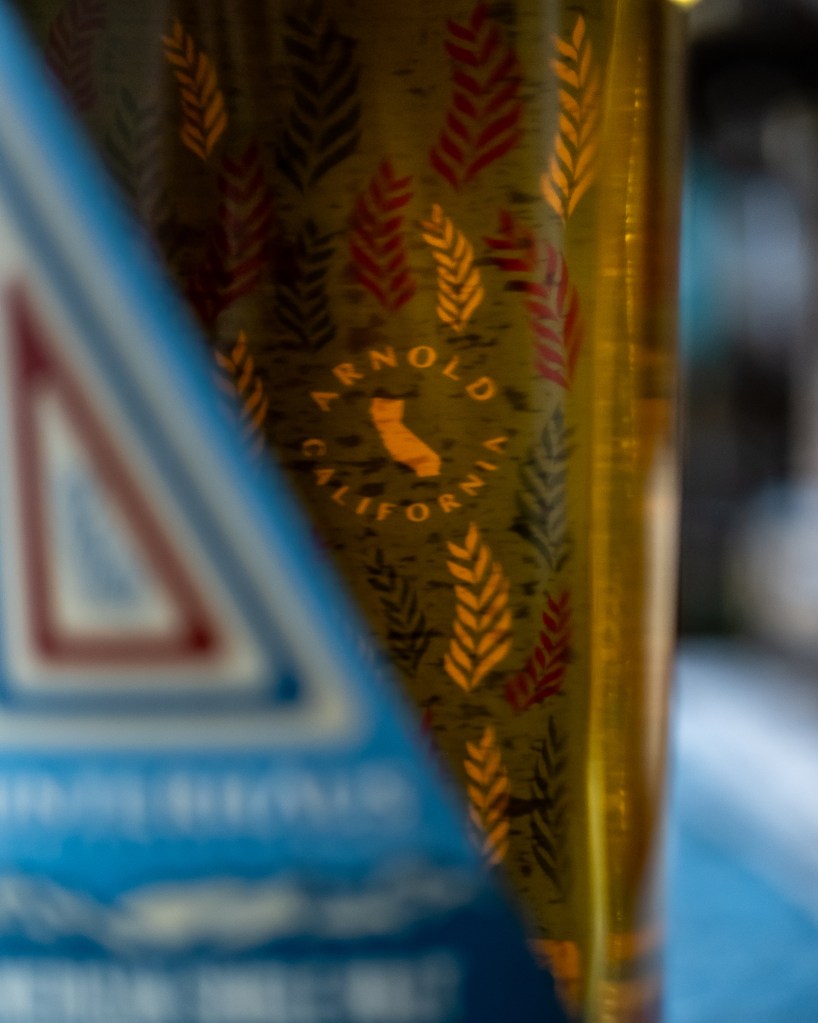
    About 100 miles and two hours east of Sacramento, tucked into the Sierra Nevada Mountains, you’ll find the cozy mountain enclave of Arnold, California. This small town—a former logging spot named after 20th century innkeepers—is home to around 4,000 people and two groves of giant sequoia trees. Some of the trees stretch hundreds of feet into the air, with thick trunks bigger than most homes.

    Arnold is also where you’ll find Hinterhaus Distilling.

    Founded in 2020 by Nate Randall and Bonnie Boglioli-Randall, Hinterhaus has already made a remarkable splash in the American spirits world. The Randalls run the distillery with their son and daughter-in-law, who have been active in the day to day operations since early on. According to a feature on Bonnie in Canvas Rebel, the younger generation’s involvement was a short-term personnel strategy that never got around to ending. In any case, it worked. Together, the family has grown Hinterhaus from an unknown distiller into an award-winning spirits producer in just 5 short years.

    The High Sierras are not just a location for the Randalls, but inspiration. “Hinterhaus is named in honor of the hinterland at our doorstep – the fast Sierra Nevada wilderness that has long beckoned explorers and adventurers to this breathtaking mountain range,” explains their labels.

    In creating Hinterhaus, the Randalls set out to create spirits that are fiercely local, infusing each bottle with the distinct terroir of their surroundings.

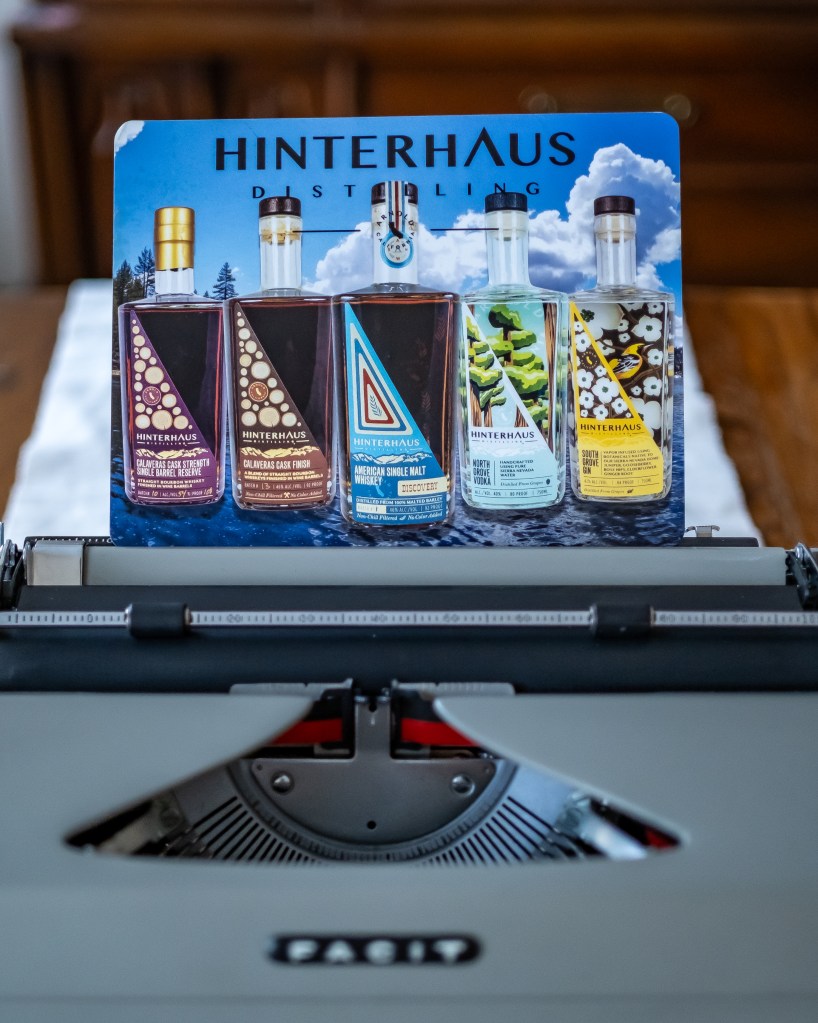
    Named for the twin giant sequoia groves of Calaveras Big Trees State Park, Hinterhaus’ North Grove Vodka is distilled from northern California wine, while South Grove Gin is infused with local botanicals like gooseberry, rose hips, and elderflower. The two bourbons are aged in Calaveras wine casks, while Trapper’s Oath—a Canadian rye with a distillation date long preceding the opening of the distillery—is finished in stout beer casks.

    Unsurprisingly, it’s the American Single Malt Whiskey that most caught my attention; the Randalls use traditional open fermentation tanks and mountain water to make their malt whiskey, ensuring that the spirit is infused with “a provenance and a sense of place that you can nose and taste.”

    Last month, as American Single Malt Whiskey’s official TTB regulations went into effect, spirits producers across the nation celebrated. The Randalls made the most of the moment and category attention, announcing and releasing Batch #4 of their American Single Malt Whiskey.

    “American Single Malt is a cornerstone to our ethos as distillers,” said Nate Randall in a press release marking the occasion.

    His co-founder and wife, Bonnie Randall, agreed: “We’re proud to be a part of the American Single Malt landscape and put a decidedly northern California twist on this traditional whiskey style.”

    About Hinterhaus Distilling American Single Malt Whiskey Batch #4

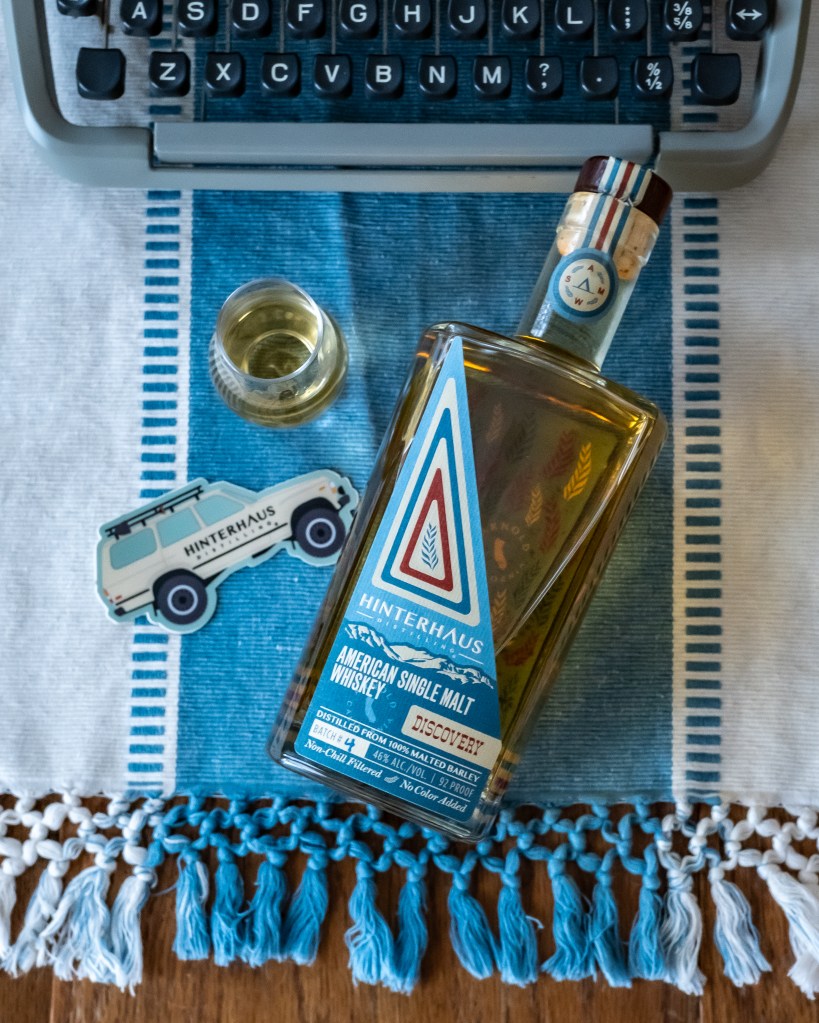
    Batch #4 of Hinterhaus’ American Single Malt Whiskey is made with 88% Gallagher’s Best and 22% Pacific Victor malts, both of which were sourced from Admiral Maltings. Based in Alameda, California, all of Admiral’s grains are grown in-state on family farms.

    The new make spirit was aged for a minimum of 22 months in two American oak barrels. Half of the spirit matured in a first fill former bourbon barrel, while the other half half came of age in a first fill former wheat whiskey cask. The two were then married together, creating the final spirit that now fills the bottle.

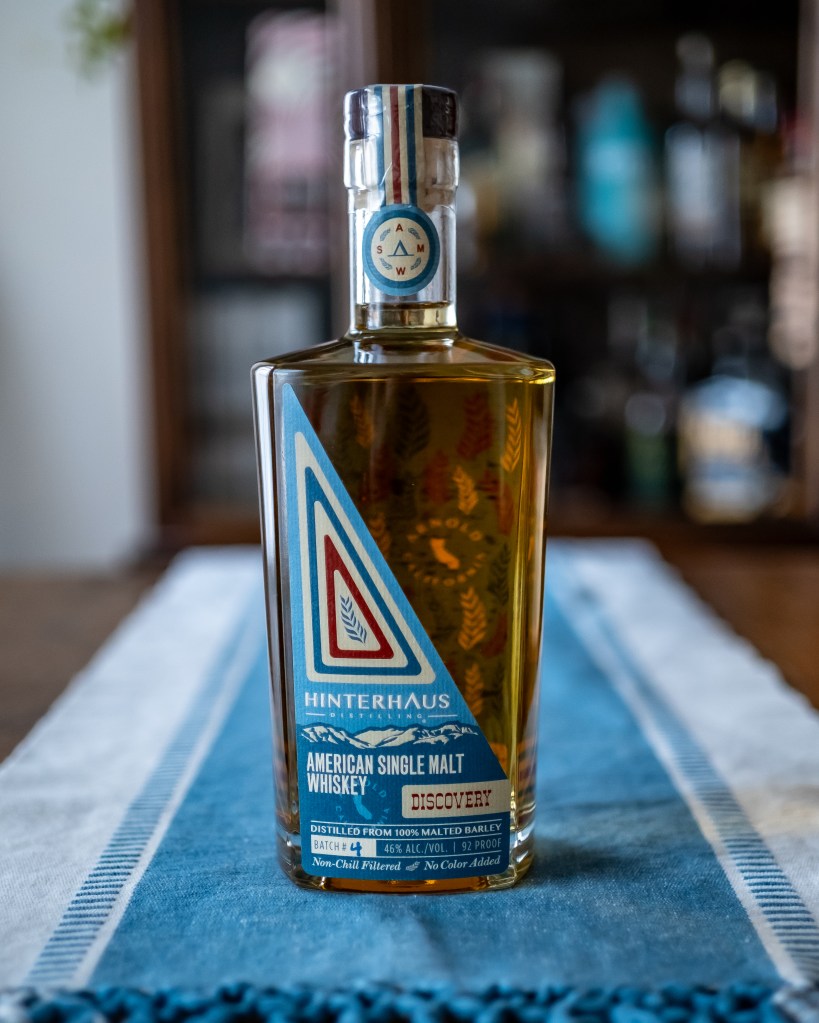
    How do I know all this? It was in the press release, of course. More importantly, though, it’s printed directly on the label.

    It’s not typical for a whiskey brand to share these details. Even as enthusiasts are becoming more and more interested in the minutiae of their favorite spirits, many distilleries are not yet ready or willing to share them.

    For Hinterhaus, however, that transparency is essential. The Randalls have built their brand and reputation around the landscape that surrounds them. Without knowing where their grains and barrels come from, the story of a unique Californian spirit is little more than marketing. With these details included on the label, the family’s passion for Northern California is on full display. Provenance isn’t a strategy for Hinterhaus Distilling, but a mission and a calling, an indispensable element of their distilling process and their presence in the American whiskey market.

    Tasting American Single Malt Whiskey Batch #4

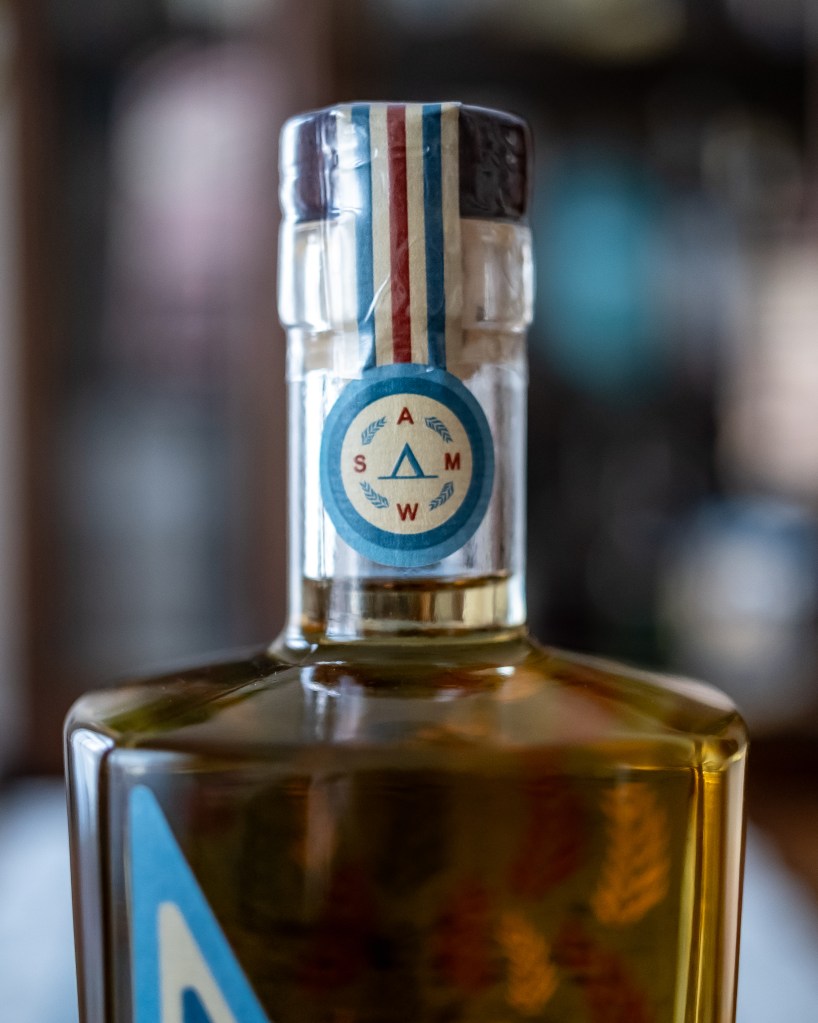
    Hinterhaus Distilling’s American Single Malt Whiskey Batch #4 is light in color, even in the bottle—though the whiskey’s distinctive packaging (as inspired by the Sierra Nevada wilderness as the spirit) makes it difficult to see just how pale the spirit is.

    Poured into a glass, the whiskey is roughly the color of straw. But don’t let the light shade fool you; despite what many whiskey drinkers believe, there’s no real correlation between color and quality. This is especially true when used barrels have been employed in production.

    On the nose, I was immediately hit with green apple, followed by a hint of flaky pastry. The aroma is fresh without being sharp, warming without being heavy.

    Then I noticed the legs.

    As I set the glass down to take a photo, I realized that drops of whiskey had not yet migrated from the rim. Granted, my glassware of choice today was a Wee Glencairn, the tiniest of whiskey tasters, and the distance from top to bottom isn’t far. Even so, I’ve never seen a whiskey’s legs stick so closely—and so stubbornly—to the top of a glass.

    In the name of aesthetics, I wiped the inner edge of the glass multiple times, but it did very little.

    This whiskey has legs for days.

    Batch #4 is no “light” whiskey, despite the color. As I took a sip, the viscous spirit coated my mouth. It’s thick and creamy, yet maintains an unmistakeable lightness in its flavor profile. Mingling with the green apple of the nose, I quickly got citrus and malty fruit, both merging into hint light pastry. It’s not overly sweet, with a certain stewed softness rather than the crisp ripeness of a fresh-plucked fruit. Plus, it finished with a burst of white pepper and light nuttiness, which lingered both on my tongue and at the back of my throat.

    Fruit-forward single malts have never been my top choice of spirits; as a Scotch drinker by origin, I’ve always veered more toward the brine of Islay than the produce of Speyside. Even so, I found myself more intrigued with every revisit to the glass. Several sips were even followed by a happy “ooh.”

    In short, it’s a great American Single Malt Whiskey. I’d highly recommend it to any ASMW enthusiast, or to Scotch drinkers with a preference for Speyside malts.

    Note: I was gifted this bottle (thank you Nate and Bonnie!), but the review and opinions noted here are entirely my own. If you want to try Hinterhaus Distilling’s ASMW Batch #4, you can find it online for an MSRP around $73, both in California and across the nation.

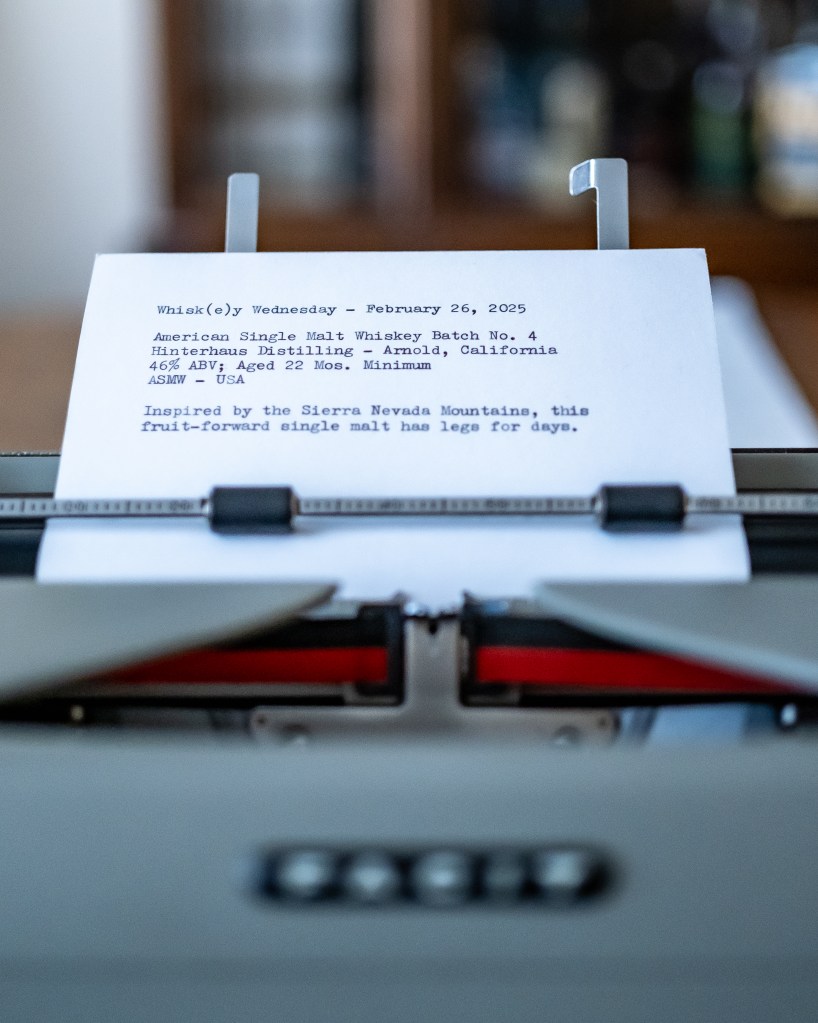
    In My Glass

    American Single Malt Whisky Batch No. 4
    Hinterhaus Distilling – Arnold, California
    46% ABV; Aged 22 Mos. Minimum
    USA

    On My Desk

    1960s Facit TP1 Typewriter

  • Seven Days of ASMW 2025 // St. George Single Malt Whiskey

    Seven Days of ASMW 2025 // St. George Single Malt Whiskey

    Today is the final day of SEVEN DAYS OF AMERICAN SINGLE MALT WHISKEYS, a series to celebrate the innovative, creative, and talented distillers making American Single Malt Whiskey across the nation.

    It’s been two days since the U.S. Tax & Trade Bureau’s ratification of American Single Malt Whiskey officially went into effect. That means we’re now standing (and sipping) in the future of whiskey, where barley is just as respected in American spirit production as corn and rye.

    The seven distilleries and spirits I’ve featured over the last week are not, in any way, the be-all and end-all of ASMW. None were the first ASMW, and they may or may not be the “best” (though that ranking is inherently subjective). These seven whiskeys just happened to be in my cabinet at the right moment, some because of familiarity and others as a result of curiosity.

    There are many other ASMWs I still have yet to try or, even if I’ve tried them, to purchase in a full bottle. Distribution is one of the biggest challenges still to overcome for American Single Malt Whiskey. Many of the producers representing the best of the category are still largely considered “craft” distillers; they’re doing a lot with limited resources, and crossing state lines to expand their general distribution is no small task.

    We can only hope that the legitimization of the category will increase awareness and demand for American-made single malt whiskeys, thereby also increasing access. If you have an ASMW you love, whether enjoyed locally or discovered on your own whiskey journey, drop a comment over on Instagram. Let’s talk about it! And, even more, let’s share the gift of those recommendations with the whisky enthusiasts of the world.
    (Shameless plug: if you’re an ASMW producer and want to send me a bottle to try and share, I’ll also happily trade my two cents—that is, my honest opinion and some pretty photography—for a tipple.)

    Let’s dive into the final dram of the week: the Single Malt Whiskey from St. George Spirits.

    This was a fun whiskey to close out the series. Like the Peated Single Malt from 10th Street Distillery, I knew nothing about this bottle when I purchased it (on the same very expensive Total Wine trip as the Balcones Single Barrel store pick). I had, in passing, heard of St. George Spirits, but I wasn’t familiar with their whiskey, or opinions of their whiskey, in anyway.

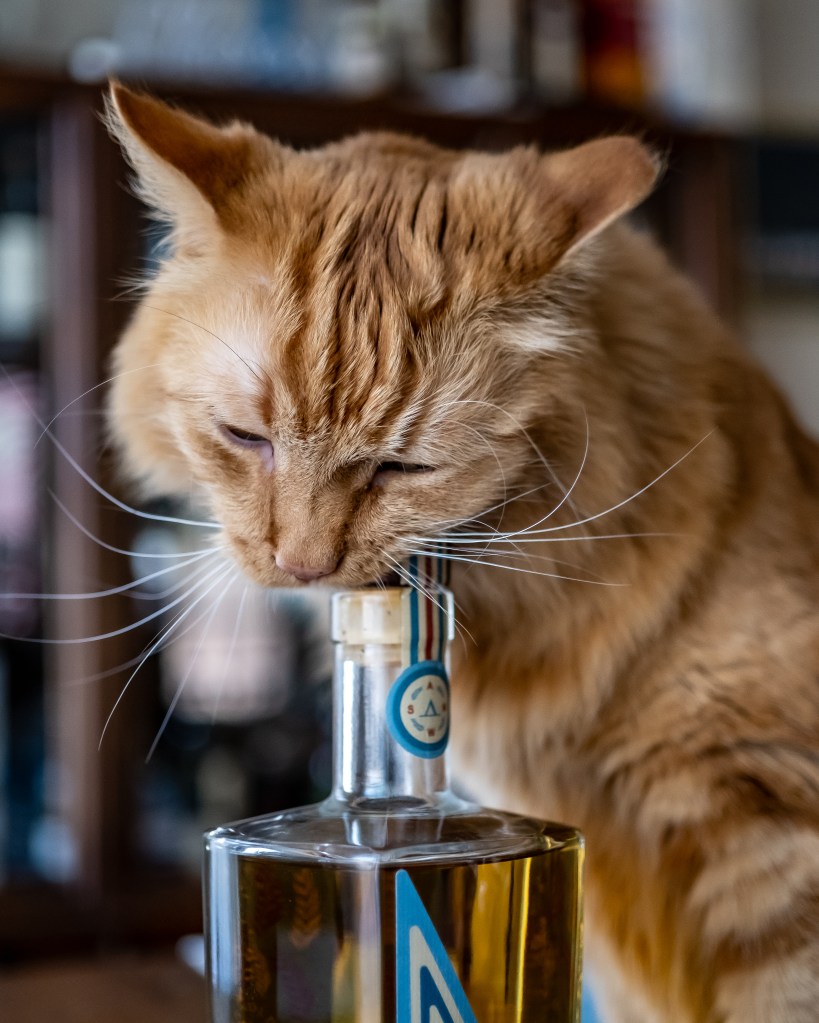
    Curiosity may have killed the cat, but he’s not allowed to drink whiskey anyway.

    Each batch of St. George’s single malt whiskeys is available only as a limited annual release. It’s produced in Alameda, California, and the fact that I found a bottle on the shelf at all is a slight miracle. Sometimes it’s helpful to be a single malt enthusiast in a world of bourbon bros. But this bottle also sat on the shelf for a few years, ready and waiting for my eager cart to roll by.

    I purchased the whiskey in 2024, but the bottle came from the distillery’s 21st batch of single malt, as indicated by “SM021” printed in small red text.

    St. George released their first batch of ASMW in 2000, and they’re currently on number 24. As the batch numbers appear to correspond with the year of release, this bottle like came out in 2021.

    Old or new, I’ll take it. This distillery has been making single malt whiskeys for 25 years, and I’m excited to try anything I can get my hands on.

    On the nose, I immediately get a hit of sweet, slightly over-ripened green apples. There’s a slight grainy grassiness too, like walking in a farmer’s field after the rain. Yesterday when I originally opened the bottle I noted it as a little funkier than I do today; I poured another small bit this afternoon to refresh my tasting memory, and found the initial punch softened.

    I guess that’s my reminder to try my whiskeys at various times; our senses vary throughout the day and week, depending on a number of factors.

    On the palate, the same bright fruit flavor leads the way, but it’s rounded out with a creamy nuttiness. There’s a punch on the back end, as the whiskey takes a sharp upward swing in flavor before fading into a gentle finish. It’s unlike any other single malt whiskey I’ve tried, and that appears to be by design.

    Being an older release, St. George doesn’t currently have a lot of details about Batch 21 online, but a review from the Whiskey Wash helped to answer a lot of questions.

    For one, the whiskey is made with several barley varietals, including “various roast levels of two-row barley sourced from Wisconsin (pale malt, crystal malt, chocolate malt, black patent malt) and German Bamberg malt (unroasted barley smoked over beech and alder wood).” Batch 21 included whiskeys aged for 4.5 to 10 years.

    Even more remarkably, those component were selected and drawn from 26 different casks. Every release of St. George Spirits’ Single Malt Whiskeys is similar in its variety, each one a blend of whiskeys stored in a diversity of cask styles and prior uses. The thread of continuity between batches is held only in the hands of the distillery’s distiller and blender, who builds a creative composition from an expansive library of whiskey casks held in the distillery’s rackhouse.

    Batch 21 is unexpected and fascinating. I don’t know if it’s the whiskey I’ll reach for at the end of a long day when I want something familiar and true. Instead it’s a sipper worthy of time, space, and consideration. It’s philosophy, waiting to be examined from every angle.

    Good thing I was a philosophy major.

    Slàinte, y’all!

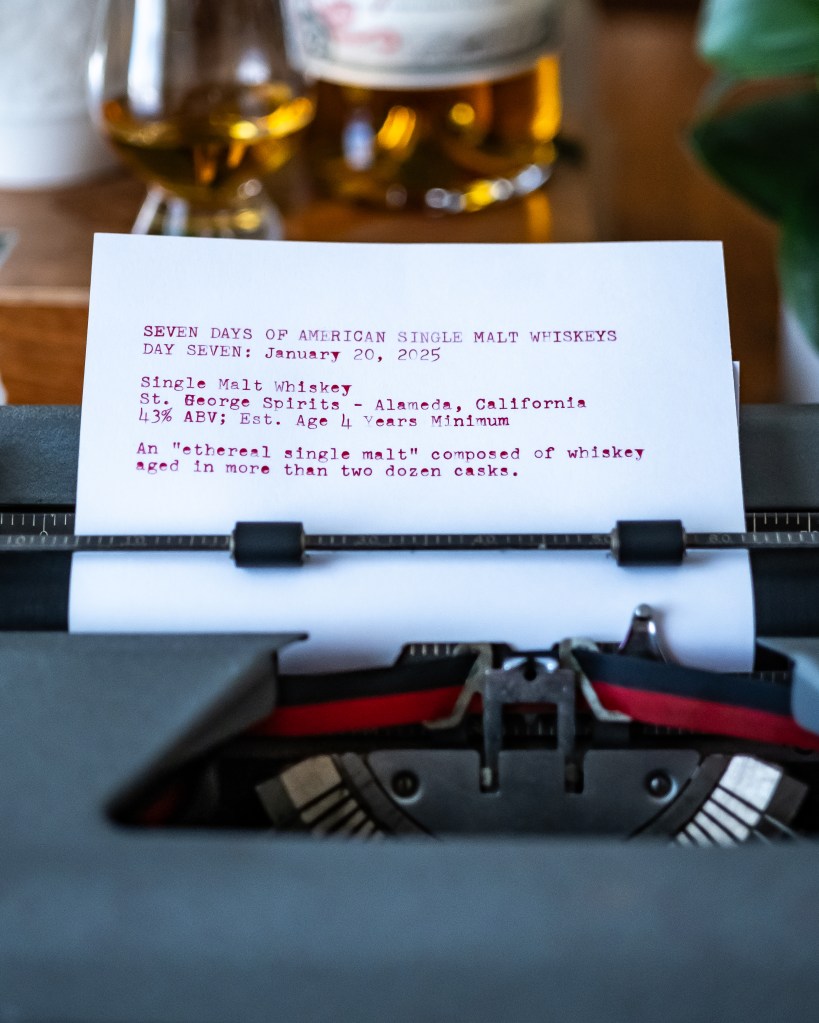
    In My Glass

    Single Malt Whiskey

    St. George Spirits – Alameda, California

    43% ABV; Est. Age 4+ Years

    On My Desk

    Royal Quiet De Luxe