Tag: review

  • Seven Days of ASMW 2026 // Stranahan’s Mountain Angel 12 Year

    Seven Days of ASMW 2026 // Stranahan’s Mountain Angel 12 Year

    It’s day three of the 2026 Seven Days of American Single Malt Whiskey series, and I have a confession to make: I didn’t like Stranahan’s Rocky Mountain Whiskey the first time I tasted it.

    The thing is, there are certain American Single Malt expressions that lean hard into a banana bread flavor profile. I’ve asked a few distillers about the source of this particular note, and the answer is always the same: it’s a combination of factors. Yeast selection. Fermentation methods. Where the cuts are made off the still.

    It’s all science and taste and artistry tied together. Absolutely fascinating, of course.

    But I just don’t enjoy it.

    It’s odd, too, because I love banana bread.

    I still have my grandmother’s handwritten recipe card in my kitchen, nearly 20 years after her death. She made it often, using up whatever rapidly-browning bananas were sitting on her counter. She would even send me a loaf or two when I was in college. I would warm a slice in the microwave, slather it with butter, and enjoy a little taste of home.

    But one thing that I’ve discovered throughout my whiskey journey is this: while I may love something on a plate, I don’t always like it in a glass.

    Banana bread is the perfect example, and it was that flavor profile that dominated my first experience with Stranahan’s Original Single Malt Whiskey. But with so many other whiskeys in the world to explore, I simply labeled the spirit as “not my favorite” and moved on.

    Until a few years later, when I found myself in Stranahan’s Denver Distillery.

    I had flown up from Tucson, Arizona to attend an event with the Scotch Malt Whisky Society, and I figured I ought to make the most of the plane ticket. Despite my skepticism toward Stranahan’s (unfairly assigned after one tasting of one expression), I was excited to visit another ASM distillery, so I booked a tour.

    Walking through the facility—one of the largest, if not the largest, single malt-focused distilleries in the country—I learned about its history and processes. While Stranahan’s wasn’t the first to make an American Single Malt Whiskey, they are among the oldest. Their first whiskey was released in 2006, nearly 10 years after a barn fire sparked an unexpected friendship between a local brewer and a volunteer firefighter.

    That fire connected local whiskey enthusiasts Jess Graber and George Stranahan, who together developed the recipe for what would become Stranahan’s Rocky Mountain American Single Malt Whiskey. Graber officially founded the company in 2004, naming it after his friend. It was the first (legal) distillery in Colorado since prohibition.
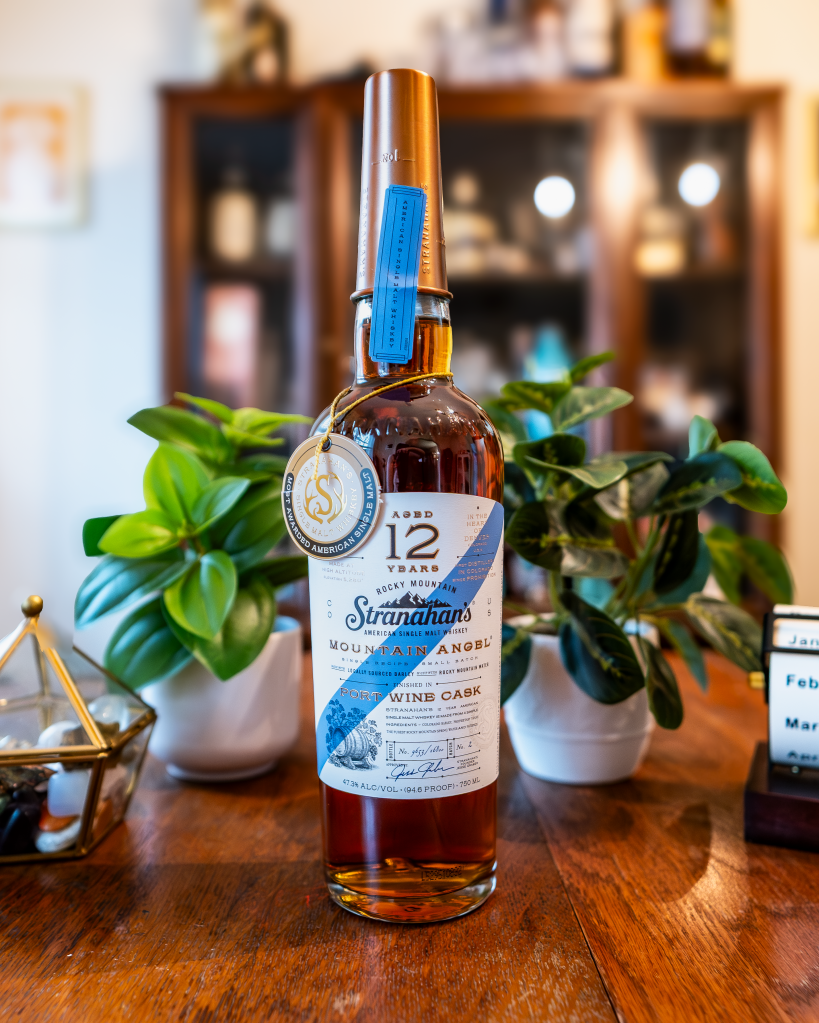
    Today, Stranahan’s proudly calls itself the #1 American Single Malt. It’s a bold claim, but not without merit. After 20 years of production, they are the most awarded distillery in the American Single Malt Whiskey category. Building on the success of the Original, they offer a full range of small batch single malt whiskeys, which are available for sale in their Denver brand home and across the country.

    I tasted a few of those whiskeys—including one or two limited distillery exclusives—at the end of my 2023 tour. Standing in the Stranahan’s distillery tasting room, I learned a very important lesson:

    Never, ever judge a whole distillery by a single expression.

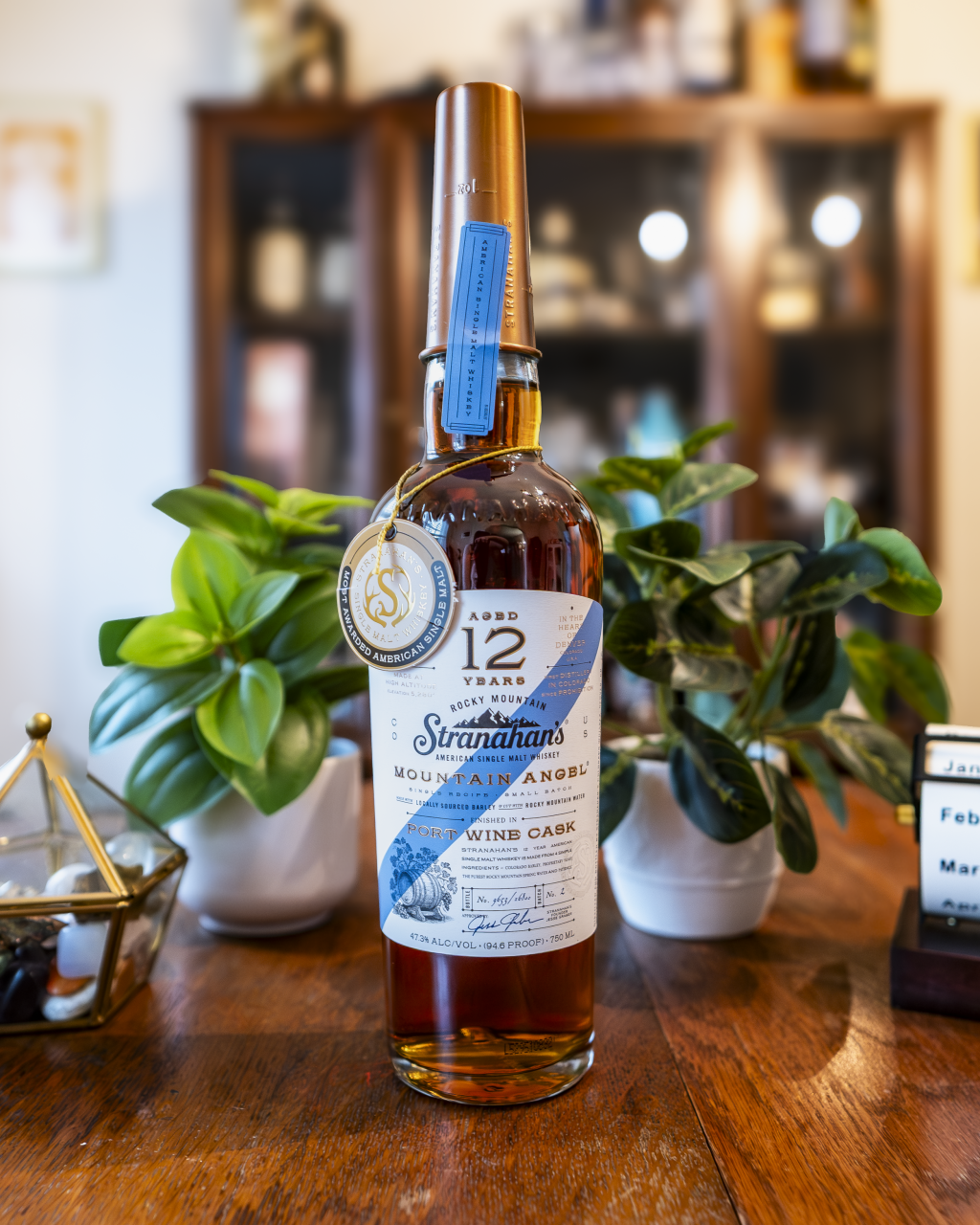
    As it turns out, I like Stranahan’s just fine, thank you very much. And I’m genuinely excited to include them in this year’s Seven Days of American Single Malt Whiskey series. Especially because the expression they sent me, the Mountain Angel 12 Year, was recently awarded the #16 spot in Whisky Advocate’s Top 20 Whiskies of 2025.

    Yes, please.

    Tasting Stranahan’s Mountain Angel 12 Year Single Malt Whiskey (Batch 2)

    If you’ve ever wondered where the angels might be the happiest, look to the skies above Denver, Colorado. The city’s high altitude, dry air, and dramatic temperature shifts all wreak havoc on aging whiskey. Evaporation accelerates as barrels breathe deeply and the angel’s share climbs, leaving far less in the barrel than one would prefer.

    For the Mountain Angel 12 Year, the angel’s share reaches nearly 80%. A shocking four-fifths of every barrel disappears into the air in just over a decade. What remains is bottled as the distillery’s “rarest expression,” produced in limited runs and released in small batches.

    My bottle is from Batch No. 2, numbered as 9,653 out of 16,800.

    (Okay, it’s not a tiny run of whiskey, but I told you they were pretty big.)
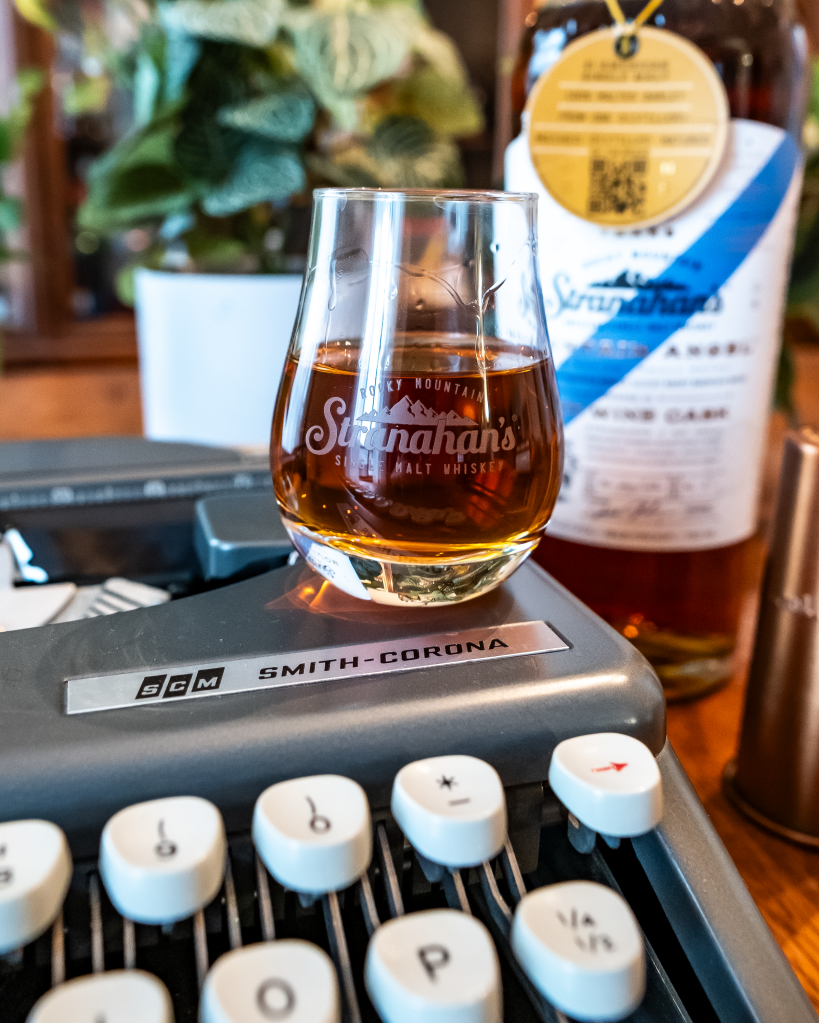
    For a whiskey category that’s barely three decades old, a 12-year age statement is not insignificant. Stranahan’s uses local barley—Colorado being one of the few states where the crop thrives—and crisp Rocky Mountain spring water to produce their spirits. This particular whiskey is aged first in new American Oak barrels, then finished in port wine casks.

    On the nose, I get rich, ripe fruit, sweet and potent. Yes, there’s still a whisper of banana bread, but it’s refined now, not heavy or overbearing. After a swirl, the whiskey slides back down the glass at a moderate pace, not too thick and not too thin.

    The first sip is surprisingly light, not entirely what I expected from a port wine-finished whiskey. It’s rounder and fuller than the legs would suggest, and the flavor flows in waves, notes of fruit and pastry coating the tongue before settling into an oaky, tannic finish.

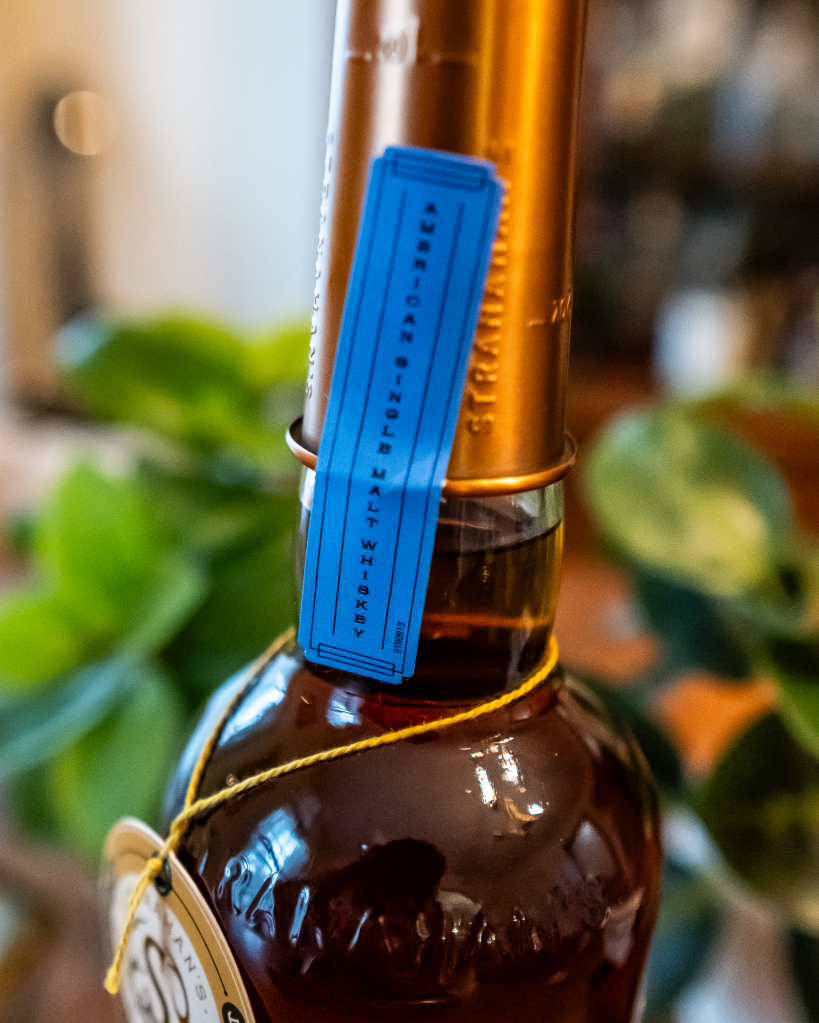
    At 94.6 proof, it falls in what I consider the sweet spot for most single malt whiskeys. Still, I wonder about its potential at a slightly higher ABV. I wouldn’t mind a little more intensity, a stronger punch of flavor on the palate.

    As it stands, it’s well-balanced, and likely appeals to a wider audience at 94.6 than it would at 100 proof. Mountain Angel is also a remarkably smooth whiskey, with enjoyable nuance and depth to it.

    Thank goodness the angels didn’t take it all.

    In My Glass

    Stranahan’s 12 Year Mountain Angel Single Malt Whiskey (Batch 2)

    Stranahan’s Colorado Whiskey – Denver, Colorado

    47.3% ABV; 12 Years Old

    On My Desk

    1961 Smith-Corona Skyriter (purchased online from a Colorado Goodwill!)

    Read More from the Seven Days of American Single Malt Whiskey 2026

    Day One: McCarthy’s Oregon Single Malt Whiskey

    Day Two: New Riff Sour Mash Single Malt

    Day Four: Redwood Empire Foggy Burl Single Malt Whiskey


    A Note of Gratitude

    This bottle of Stranahan’s American Single Malt Whiskey was sent to me by the folks at the distillery, who I did not tell about our rocky start. Thank you to the team for letting me taste and share their wonderful whiskey!
  • Seven Days of ASMW 2026 // New Riff Sour Mash Single Malt

    Seven Days of ASMW 2026 // New Riff Sour Mash Single Malt

    When you think of Kentucky whiskey, you probably think of bourbon. It’s a natural instinct, with approximately 95% of all bourbon produced within the borders of the Commonwealth.

    Despite what many bourbon drinkers might believe, however, distillation in Kentucky isn’t limited to corn. At last count, there were 100 licensed distilleries in Kentucky, operating across 42 counties. While bourbon may be the primary output of the Commonwealth’s stills, they also flow with whiskeys made from rye, wheat, and, increasingly, malted barley.

    When bourbon distillers venture into malted barley as more than a supporting player in a mash bill, results can be mixed. Traditionally, the two styles are quite different. Bourbon is often (though not exclusively) distilled in a column still. Single malts typically (though not always) rely on pot stills. Bourbon’s required use of new barrels brings a familiar punch of vanilla and caramel flavors to every glass, while the used barrels common to single malt whiskies tend to highlight the grain itself, creating a more cereal-forward profile that requires a different palate to perfect.

    Deep tradition and expertise stand on both sides of the aisle.

    But New Riff Distilling? They’re not beholden to any of it.

    My introduction to New Riff—beyond a few small sips—came at the 2025 James M. Beam Institute Conference. Molly Lewis, New Riff’s president and daughter of founder Ken Lewis, gave a presentation that focused not on mash bills or still design or even visitor experiences, but on service. Explaining that the relatively new distillery had settled into a tight-knit community in Northern Kentucky, she described how they became part of the neighborhood, not just in it, by immersing themselves into the good of the community.

    What struck me most about Lewis’ talk was the quiet consistency of her family’s values. Molly, her father Ken, and the entire distillery team weren’t doing something different for the sake of novelty. They were doing things differently because they could, and because that was how they believed in leading. As they say, they’re a “new riff” on an old tradition, changing the distillation game—and culture—through authenticity and heart.

    That stuck with me over the months that followed. It also helped that they’re making good whiskey, so when I learned that New Riff was producing a single malt, I knew I wanted to try it.

    Tasting New Riff Kentucky Single Malt Whiskey (2025)

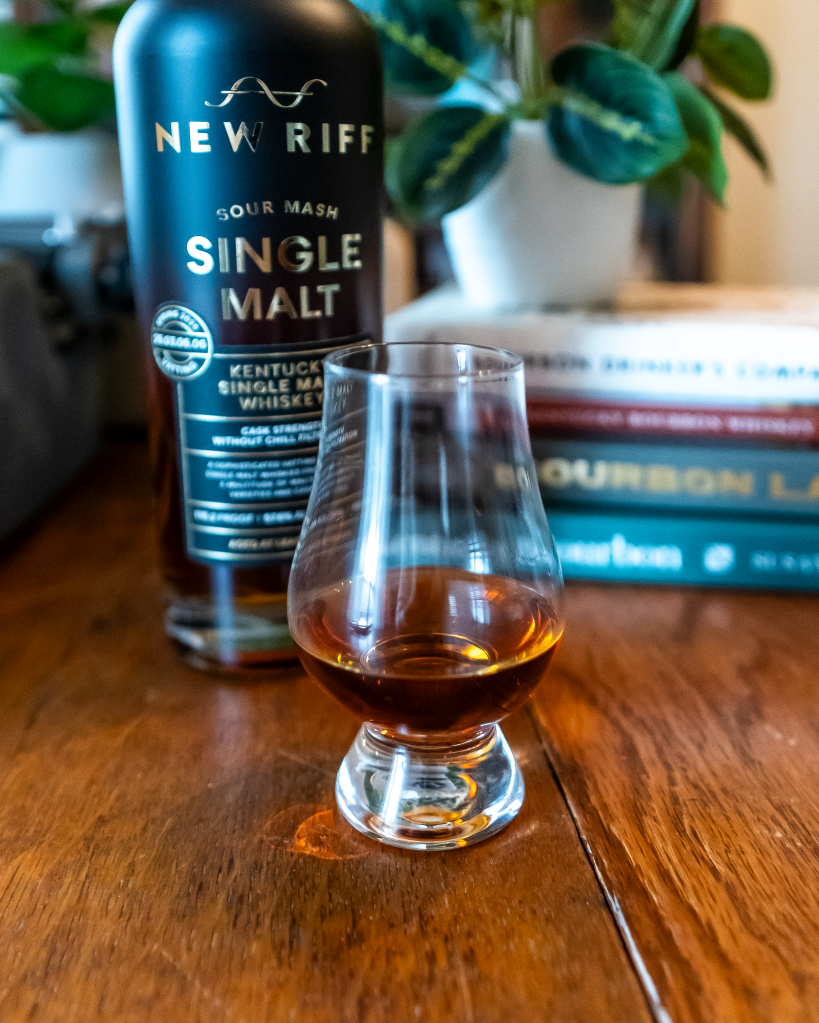
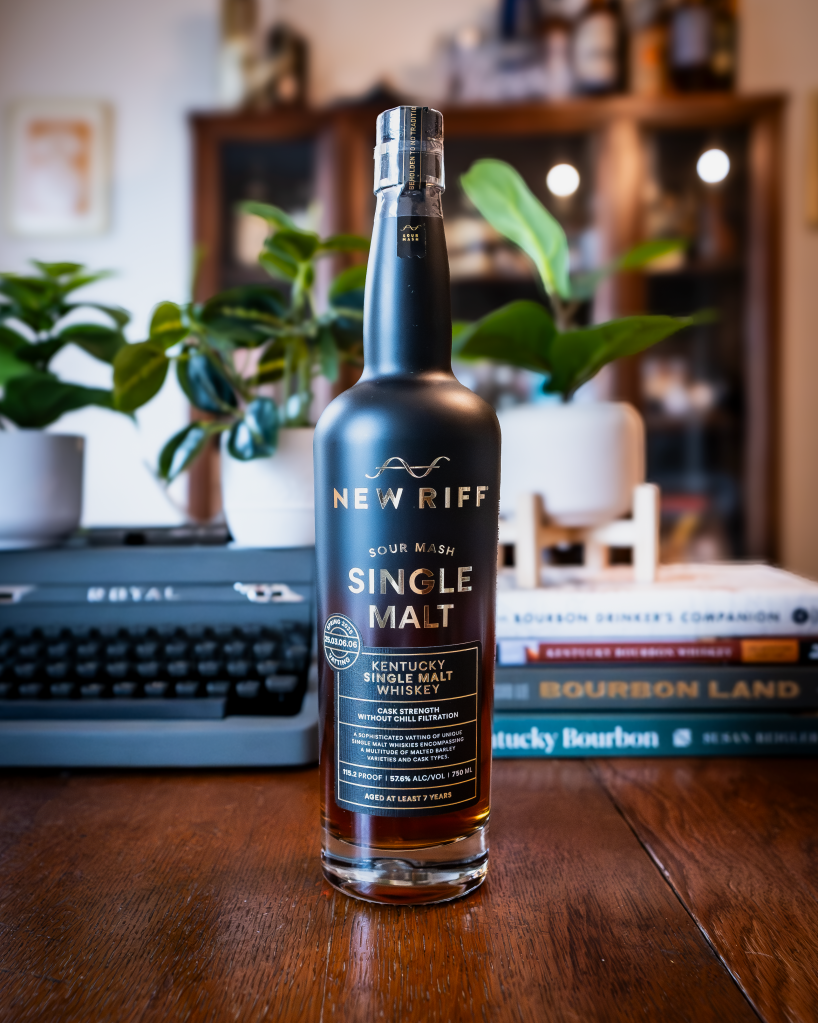
    There are a few things that immediately stand out about this bottle of New Riff Sour Mash Single Malt Whiskey.

    The first, and most obvious, is the use of the words sour mash. While sour mash is a common practice in bourbon and rye whiskeys, I can’t say that I’ve previously encountered a sour mash single malt—or, at least, not one that highlighted the fact.

    For those unfamiliar with the term, sour mash introduces a portion of the spent mash (or fermented grain mixture) from a previous batch of distiller’s beer back into a new batch. It’s believed to promote consistency and help jump-start the fermentation process. While its precise origins are unclear (as is true of many whiskey traditions), its earliest documentation is credited to Catherine Carpenter, a badass woman running a Kentucky farm and distillery while raising 12 children in the early 19th century.

    Sweet mash and sour mash are not terms that typically appear in the single malt world. Sour mash is a uniquely American distillation practice. For distillers taking their cues from Scotland or Ireland, it simply wouldn’t be part of the conversation.

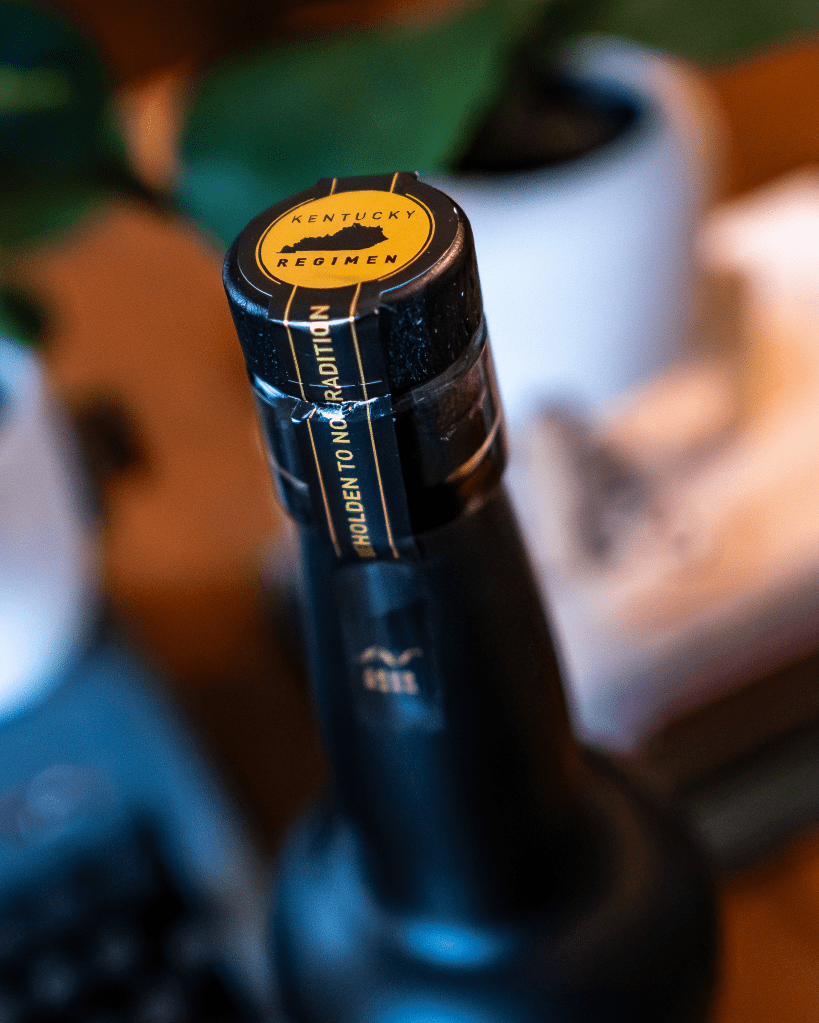
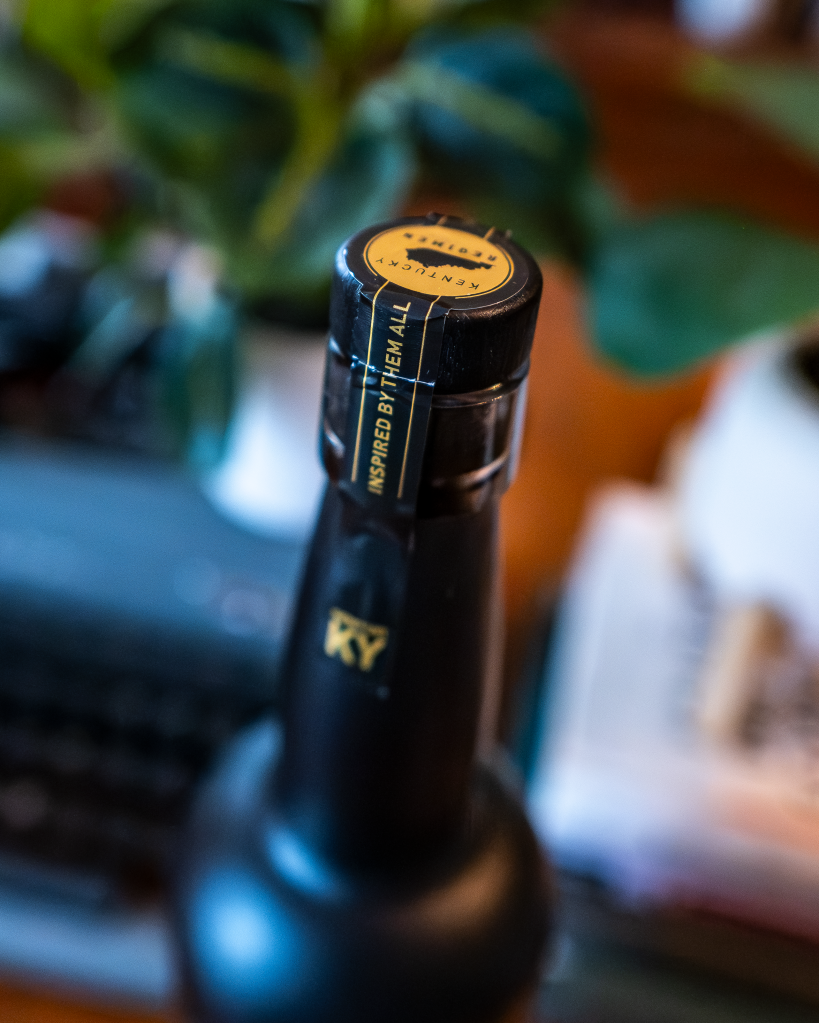
    But while New Riff Distilling is “beholden to no tradition,” they are “inspired by them all.”

    Moving down the label, we find a description of the whiskey: “a sophisticated vatting of unique single malt whiskies encompassing a multitude of malted barley varieties and cask types.”

    When the New Riff team sent me the bottle, they provided additional detail on a printed spec sheet. Single malt means that a whiskey is made exclusively with malted barley at a single distillery, but it doesn’t restrict the types of malt that can be used. For New Riff’s 2025 Single Malt, the blend includes a 1960s English ale malt (Maris Otter), a barley-wine style barley malt, and, making up less than 20% of the total, a peated Scottish malt.

    The original whiskeys produced from these malts were aged in six different casks. Those spirits were then blended together, vatted and married in a used oak barrel for a length of time only described as “extended.” The youngest whiskey is seven years old and the oldest ten, indicating that this whiskey has been in development for nearly all of New Riff’s distilling history.

    It was bottled without dilution at 115.2 proof—not quite hazmat by bourbon standards, but impressively high for a single malt.

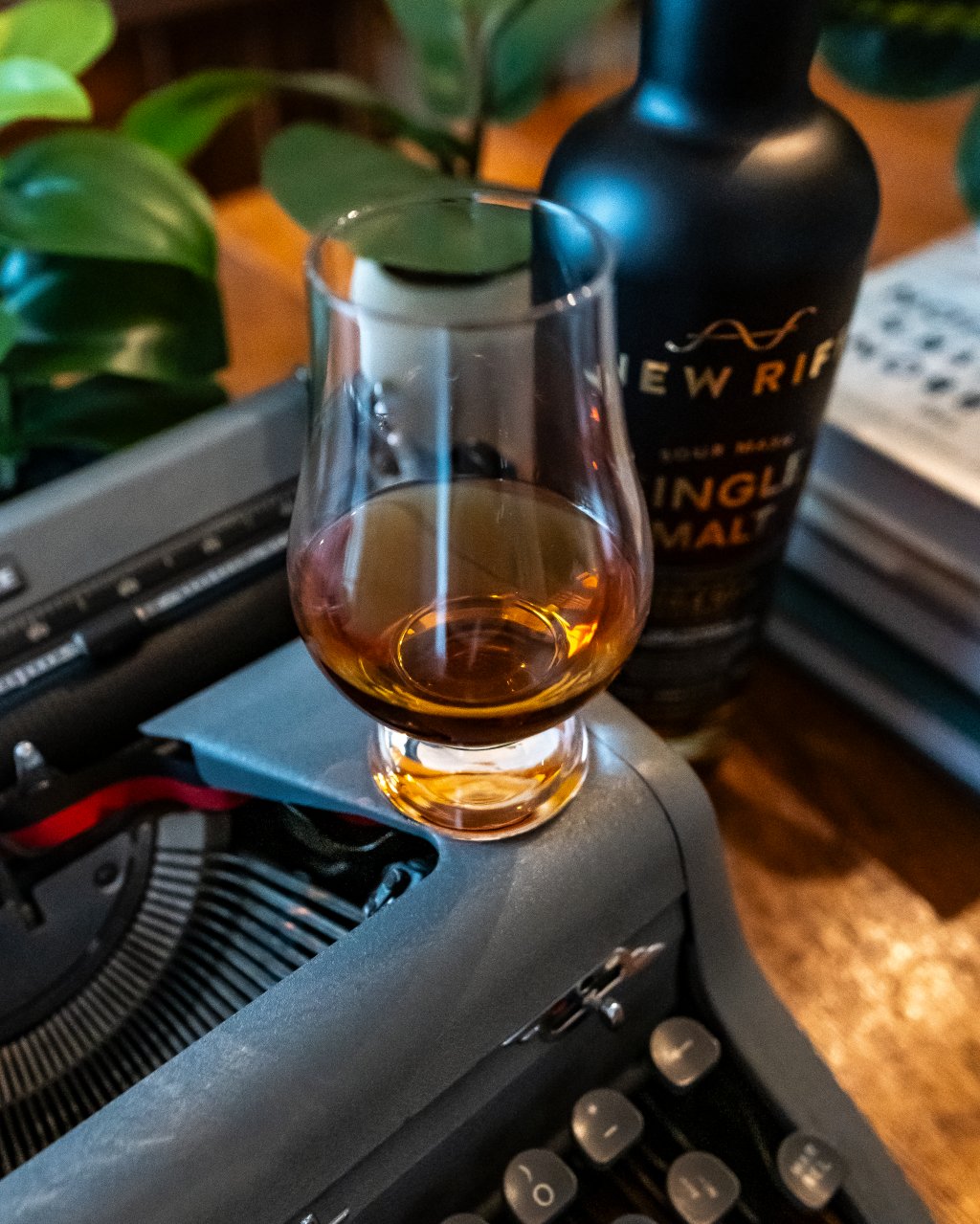
    Popping open the cork, I immediately got a whiff of dark fruit, dense grains, and chocolate, with soft citrus around the edges. There’s a hint of leather and a touch of sea salt, especially when I poured a couple of drops between my hands.

    On the palate, this is a big whiskey.

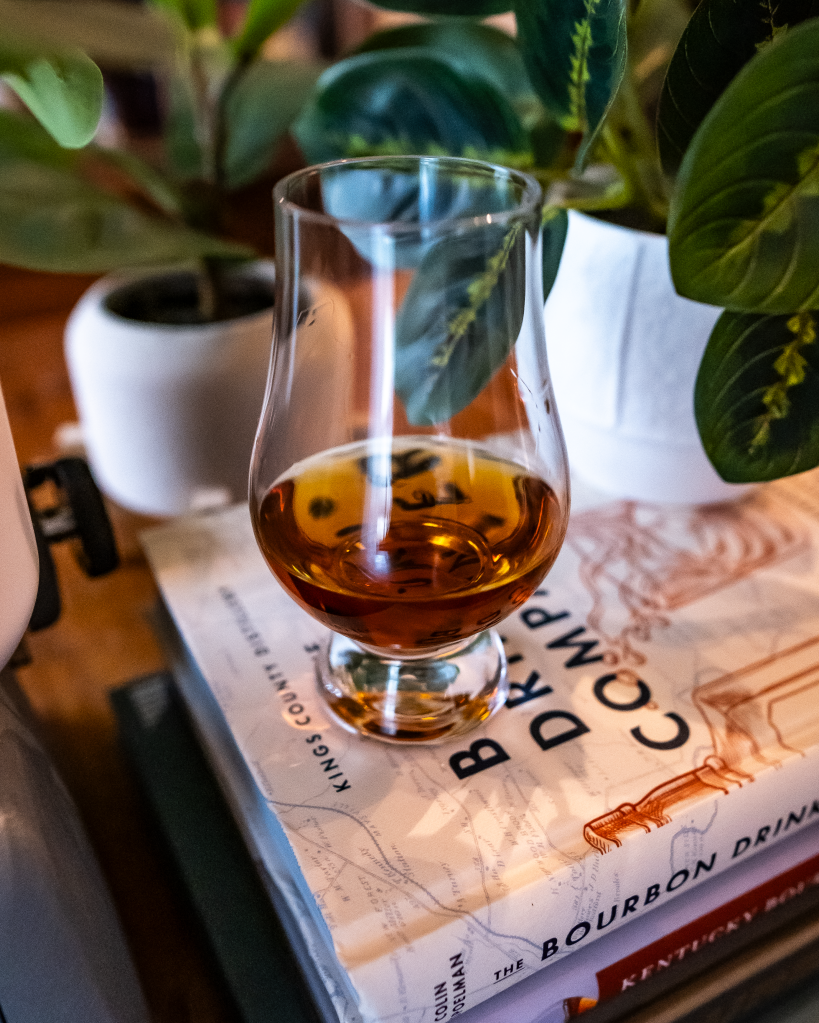
    A big whiskey. It’s expansive and bold, rich and layered, with robust flavors that mirror the nose while adding pepper and oak. Swirling it in a glass, the legs are minimal, but don’t let the lack of viscosity fool you. This is a powerful spirit.

    So powerful, in fact, that I reached for my water dropper. The combination of big flavors and a big ABV read a little harsh on the tongue, each flavor fighting for prominence. A few light drops of water opened it up nicely, drawing out a more harmonious malt character—still thick and grassy, but woven with leather and that citrusy chocolate and a subtle hint of char.

    The official tasting notes describe the finish as raspberry, tangerine rind, and bergamot orange. It’s a stunning description I could never have articulated myself, but I can say that it radiates throughout the mouth, lingering on the sides of the tongue before settling into a rich haze.

    For bourbon drinkers skeptical of single malt whiskey, the New Riff Sour Mash Single Malt could offer an ideal entry point. It’s made by a trusted distillery, and the bold, oak-driven structure will feel familiar to pursuers of big flavor. By the finish, however, the malt character shines, clearly marking the whiskey as something different.

    Above all, this whiskey is a prime example of New Riff’s commitment to blazing a new path in traditional whiskey. It feels unmistakably Kentucky and unmistakably something else at the same time, honoring each tradition without being confined by them.

    This whiskey doesn’t ask permission; it exists in a category of its own, representing both Kentucky and single malt whiskeys in their own right. Love it or hate it, this is a distillery doing things their own way—and the thing is, it’s working.

    Sláinte, y’all.


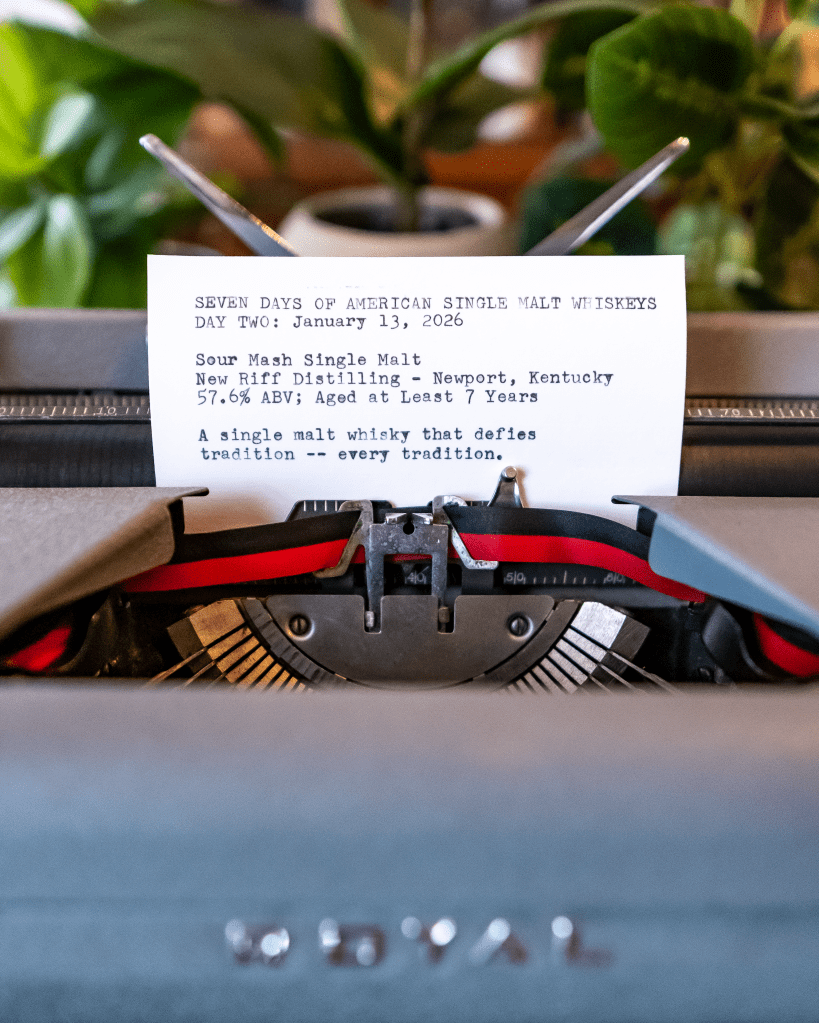
    In My Glass

    New Riff Sour Mash Single Malt Whiskey (2025)

    New Riff Distilling – Newport, Kentucky

    57.6% ABV; Aged At Least 7 Years

    On My Desk

    Royal Quiet De Luxe Typewriter

    Read More from the Seven Days of American Single Malt Whiskey 2026

    Day One: McCarthy’s Oregon Single Malt Whiskey

    Day Three: Stranahan’s Mountain Angel 12 Year

    Day Four: Redwood Empire Foggy Burl Single Malt Whiskey


    A Note of Gratitude

    This bottle of 2025 Kentucky Single Malt Whiskey was sent to me by the folks at New Riff Distilling. Thank you to the team for letting me sip and share their unique whiskey!

  • Hinterhaus ASMW Batch #4 // A Mountain Malt with Legs for Days

    Hinterhaus ASMW Batch #4 // A Mountain Malt with Legs for Days

    About 100 miles and two hours east of Sacramento, tucked into the Sierra Nevada Mountains, you’ll find the cozy mountain enclave of Arnold, California. This small town—a former logging spot named after 20th century innkeepers—is home to around 4,000 people and two groves of giant sequoia trees. Some of the trees stretch hundreds of feet into the air, with thick trunks bigger than most homes.

    Arnold is also where you’ll find Hinterhaus Distilling.

    Founded in 2020 by Nate Randall and Bonnie Boglioli-Randall, Hinterhaus has already made a remarkable splash in the American spirits world. The Randalls run the distillery with their son and daughter-in-law, who have been active in the day to day operations since early on. According to a feature on Bonnie in Canvas Rebel, the younger generation’s involvement was a short-term personnel strategy that never got around to ending. In any case, it worked. Together, the family has grown Hinterhaus from an unknown distiller into an award-winning spirits producer in just 5 short years.

    The High Sierras are not just a location for the Randalls, but inspiration. “Hinterhaus is named in honor of the hinterland at our doorstep – the fast Sierra Nevada wilderness that has long beckoned explorers and adventurers to this breathtaking mountain range,” explains their labels.

    In creating Hinterhaus, the Randalls set out to create spirits that are fiercely local, infusing each bottle with the distinct terroir of their surroundings.

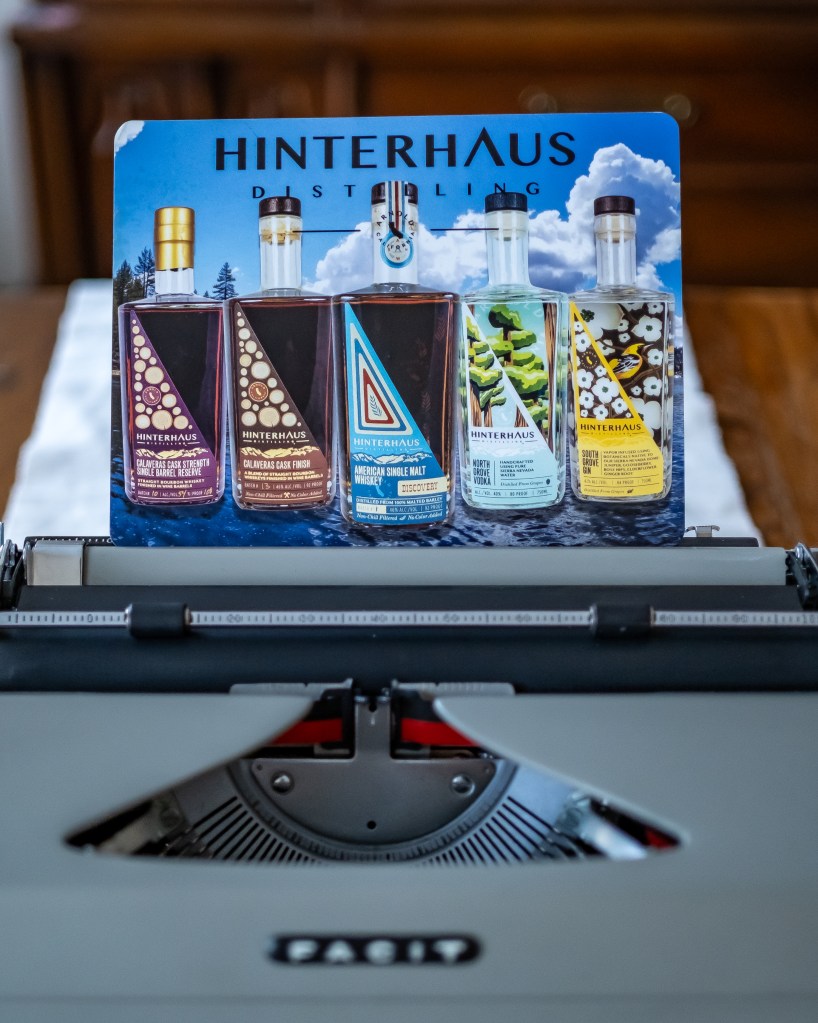
    Named for the twin giant sequoia groves of Calaveras Big Trees State Park, Hinterhaus’ North Grove Vodka is distilled from northern California wine, while South Grove Gin is infused with local botanicals like gooseberry, rose hips, and elderflower. The two bourbons are aged in Calaveras wine casks, while Trapper’s Oath—a Canadian rye with a distillation date long preceding the opening of the distillery—is finished in stout beer casks.

    Unsurprisingly, it’s the American Single Malt Whiskey that most caught my attention; the Randalls use traditional open fermentation tanks and mountain water to make their malt whiskey, ensuring that the spirit is infused with “a provenance and a sense of place that you can nose and taste.”

    Last month, as American Single Malt Whiskey’s official TTB regulations went into effect, spirits producers across the nation celebrated. The Randalls made the most of the moment and category attention, announcing and releasing Batch #4 of their American Single Malt Whiskey.

    “American Single Malt is a cornerstone to our ethos as distillers,” said Nate Randall in a press release marking the occasion.

    His co-founder and wife, Bonnie Randall, agreed: “We’re proud to be a part of the American Single Malt landscape and put a decidedly northern California twist on this traditional whiskey style.”

    About Hinterhaus Distilling American Single Malt Whiskey Batch #4

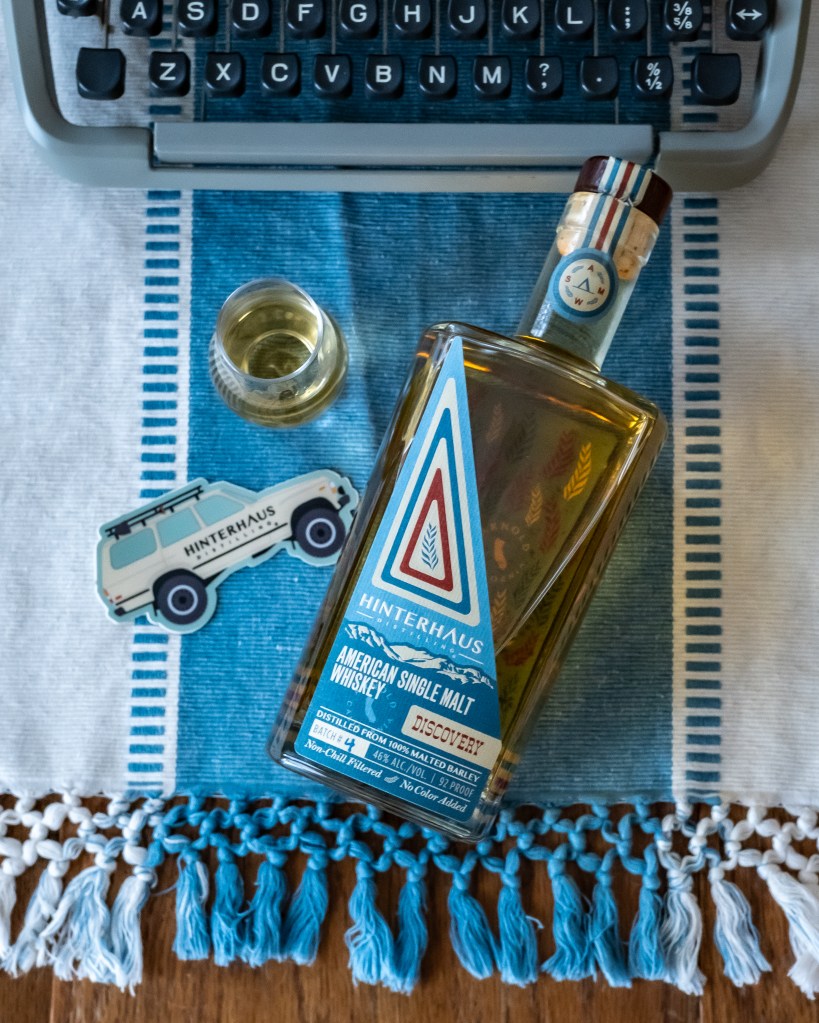
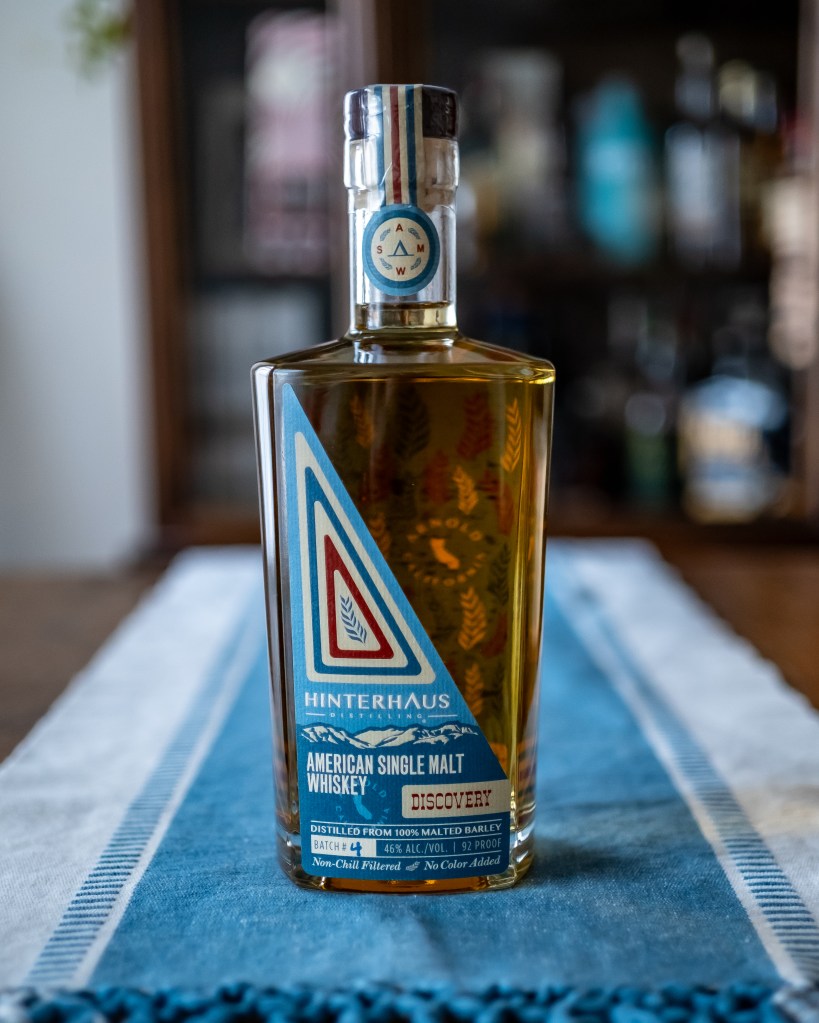
    Batch #4 of Hinterhaus’ American Single Malt Whiskey is made with 88% Gallagher’s Best and 22% Pacific Victor malts, both of which were sourced from Admiral Maltings. Based in Alameda, California, all of Admiral’s grains are grown in-state on family farms.

    The new make spirit was aged for a minimum of 22 months in two American oak barrels. Half of the spirit matured in a first fill former bourbon barrel, while the other half half came of age in a first fill former wheat whiskey cask. The two were then married together, creating the final spirit that now fills the bottle.

    How do I know all this? It was in the press release, of course. More importantly, though, it’s printed directly on the label.

    It’s not typical for a whiskey brand to share these details. Even as enthusiasts are becoming more and more interested in the minutiae of their favorite spirits, many distilleries are not yet ready or willing to share them.

    For Hinterhaus, however, that transparency is essential. The Randalls have built their brand and reputation around the landscape that surrounds them. Without knowing where their grains and barrels come from, the story of a unique Californian spirit is little more than marketing. With these details included on the label, the family’s passion for Northern California is on full display. Provenance isn’t a strategy for Hinterhaus Distilling, but a mission and a calling, an indispensable element of their distilling process and their presence in the American whiskey market.

    Tasting American Single Malt Whiskey Batch #4

    Hinterhaus Distilling’s American Single Malt Whiskey Batch #4 is light in color, even in the bottle—though the whiskey’s distinctive packaging (as inspired by the Sierra Nevada wilderness as the spirit) makes it difficult to see just how pale the spirit is.

    Poured into a glass, the whiskey is roughly the color of straw. But don’t let the light shade fool you; despite what many whiskey drinkers believe, there’s no real correlation between color and quality. This is especially true when used barrels have been employed in production.

    On the nose, I was immediately hit with green apple, followed by a hint of flaky pastry. The aroma is fresh without being sharp, warming without being heavy.

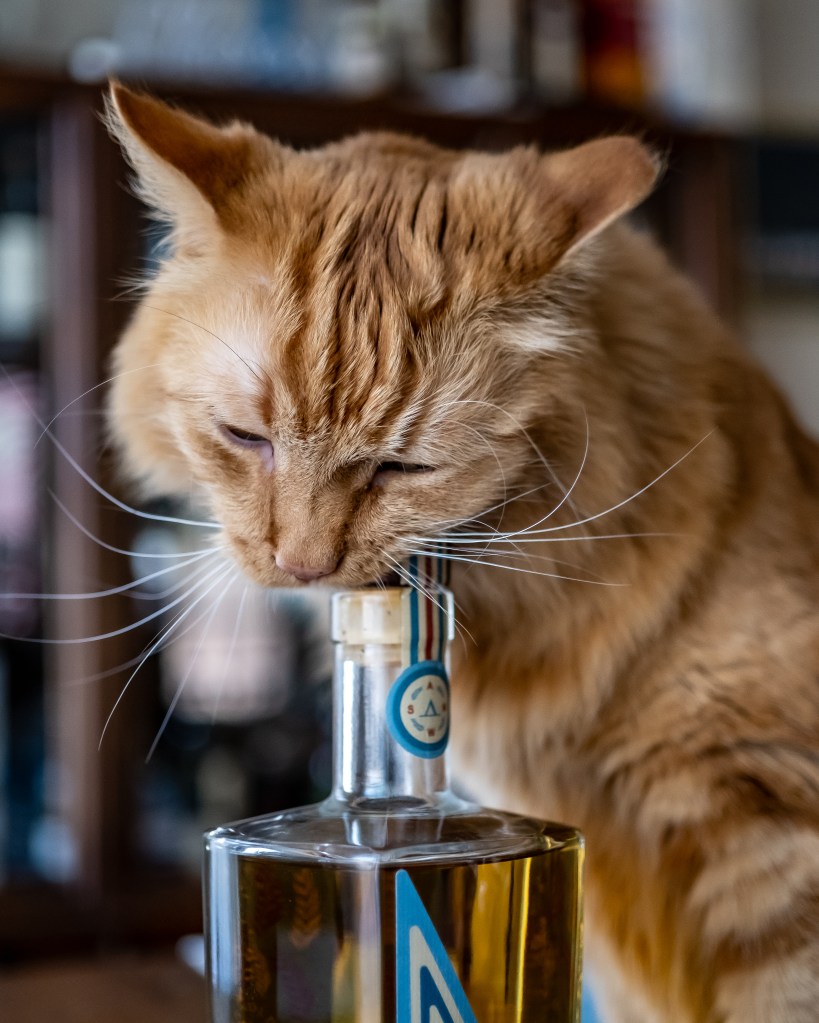
    Then I noticed the legs.

    As I set the glass down to take a photo, I realized that drops of whiskey had not yet migrated from the rim. Granted, my glassware of choice today was a Wee Glencairn, the tiniest of whiskey tasters, and the distance from top to bottom isn’t far. Even so, I’ve never seen a whiskey’s legs stick so closely—and so stubbornly—to the top of a glass.

    In the name of aesthetics, I wiped the inner edge of the glass multiple times, but it did very little.

    This whiskey has legs for days.

    Batch #4 is no “light” whiskey, despite the color. As I took a sip, the viscous spirit coated my mouth. It’s thick and creamy, yet maintains an unmistakeable lightness in its flavor profile. Mingling with the green apple of the nose, I quickly got citrus and malty fruit, both merging into hint light pastry. It’s not overly sweet, with a certain stewed softness rather than the crisp ripeness of a fresh-plucked fruit. Plus, it finished with a burst of white pepper and light nuttiness, which lingered both on my tongue and at the back of my throat.

    Fruit-forward single malts have never been my top choice of spirits; as a Scotch drinker by origin, I’ve always veered more toward the brine of Islay than the produce of Speyside. Even so, I found myself more intrigued with every revisit to the glass. Several sips were even followed by a happy “ooh.”

    In short, it’s a great American Single Malt Whiskey. I’d highly recommend it to any ASMW enthusiast, or to Scotch drinkers with a preference for Speyside malts.

    Note: I was gifted this bottle (thank you Nate and Bonnie!), but the review and opinions noted here are entirely my own. If you want to try Hinterhaus Distilling’s ASMW Batch #4, you can find it online for an MSRP around $73, both in California and across the nation.

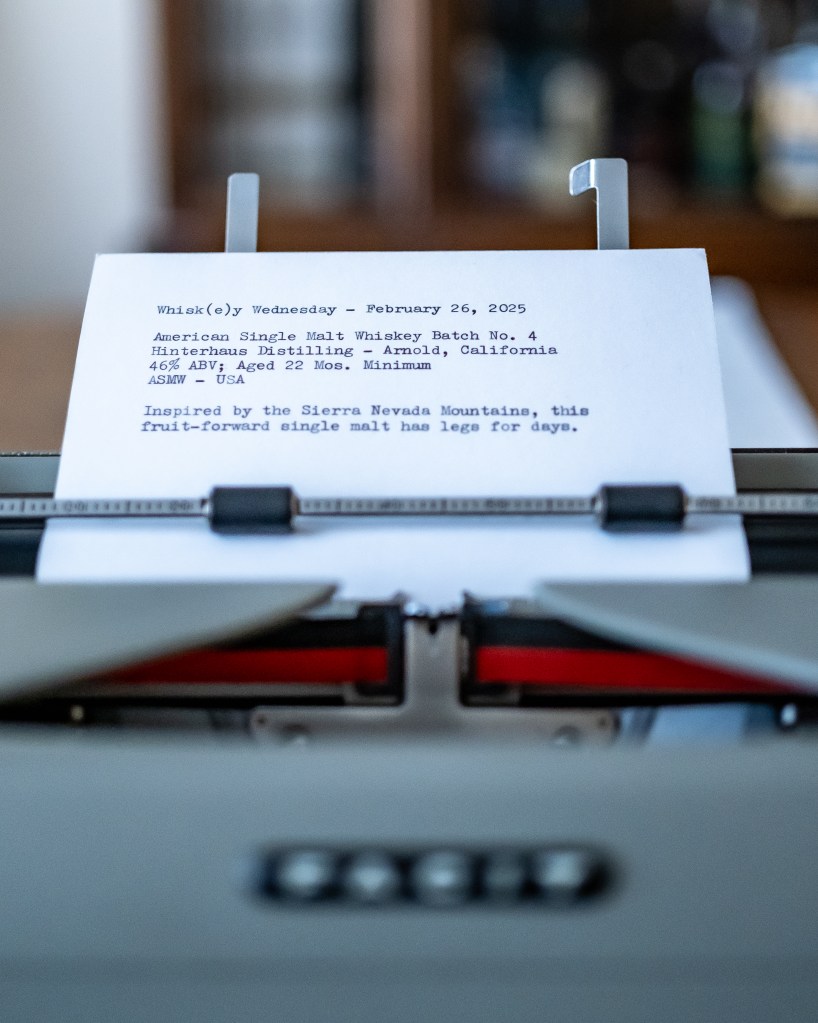
    In My Glass

    American Single Malt Whisky Batch No. 4
    Hinterhaus Distilling – Arnold, California
    46% ABV; Aged 22 Mos. Minimum
    USA

    On My Desk

    1960s Facit TP1 Typewriter

  • SirDavis American Rye // Queen Bey Makes a Whisky

    SirDavis American Rye // Queen Bey Makes a Whisky

    “I’ve always been drawn to the power and confidence I feel when drinking quality whiskey and wanted to invite more people to experience that feeling.”

    Beyoncé for Harper’s Bazaar.

    It is officially fall 🍁🍂 in Kentucky, and, after 7 years of autumn-free desert living, I am loving every single second of it.

    Maybe it’s the cooler weather or the changing colors, but I’ve been in the mood for all the rye whiskies lately. Neat or in a cocktail, I want to taste spicy, warming notes.

    That makes it a perfect time to pop open this bottle of @sirdavis, the new(ish) rye whisky from @beyonce.

    On the whole, I’m generally skeptical of celebrity spirits. It’s nothing against the famous faces behind them—it’s just that this whisky could taste like horse slobber and still sell. Beyoncé is just that big of a deal.

    But then I learned how Queen Bey worked with Dr. Bill Lumsden (of Glenmorangie and Ardbeg scotch whisky fame) to craft her introduction to the whisky market. She also thoughtfully aged it in a Pedro Ximénez sherry cask (my favorite). And, according to early reviews, this whisky is actually really good.

    So I bought it, and I can confirm: this whisky is really, really good.

    “We have crafted a delicious American whisky that respects tradition but also empowers people to experience something new and unique in the category.”

    Beyoncé for Harper’s Bazaar

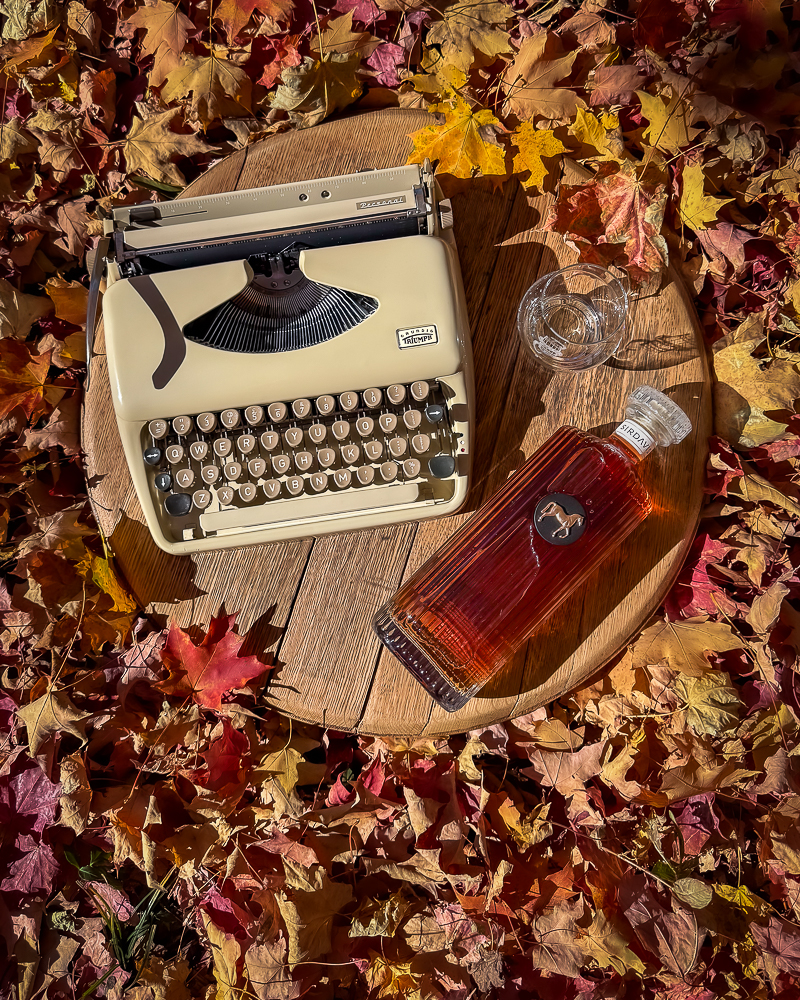
    SirDavis Rye is a dark mahogany color, sold in a stunning fluted glass bottle. Sources say the spirit is made with 51% rye and 49% malted barley.

    In the glass, the official tasting notes suggest Seville oranges, clove, cinnamon, ginger, and toffee on the nose. There is definitely something almost old fashioned-esque in the aromas, with hints of flamed oranges and spice.

    On the palate, the whisky is smooth and rich, but not overpowering. It’s well-rounded and thick with a short finish.

    At first, it’s like a blanket at a bonfire, wrapping your tongue in cozy warmth. Then the baking spices come through, adding a flash of cinnamon and pepperiness to the fire.

    This is not a rye that I would necessarily put in a cocktail; the whisky’s barley content softens the bold flavors of rye that typically punch up a Manhattan or an old fashioned. Plus, it’s just 44% ABV—respectable but less sturdy than I prefer in my mixed drinks.

    That’s perfectly fine; this whisky doesn’t need anything else. SirDavis American Rye is a gorgeous sipper all on its own.

    Slàinte, y’all!


    In My Glass

    SirDavis American Rye Whisky
    No Age Statement; 44% ABV
    USA

    On My Desk

    Grundig Triumph Personal Typewriter